
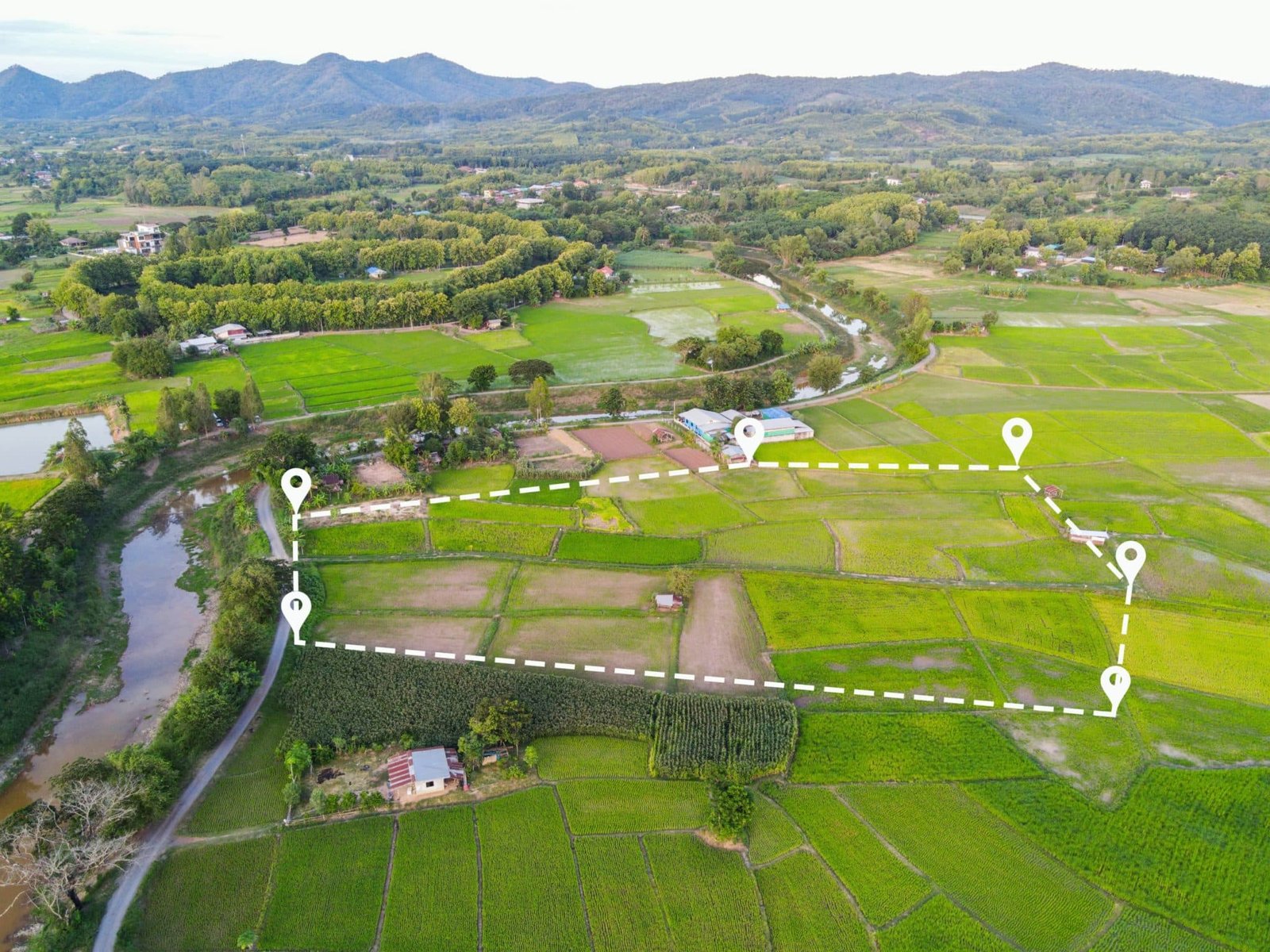
Looking to establish your business and in need of a suitable location? Perhaps buying commercial land could be the perfect solution for you.
Investing in commercial land can be a significant financial commitment, but the potential benefits for your business make it a worthwhile consideration. In this article, we will explore the process of purchasing commercial land and highlight key factors to contemplate before finalizing a purchase. Let’s delve into the details!
1. Selecting the Ideal Location
Choosing the right location is crucial when it comes to setting up a successful business. You need to find commercial land that not only meets your requirements but is also zoned appropriately for commercial use.
Utilizing platforms like MyEListing.com can streamline your search for available properties, making the process efficient and straightforward.
Important considerations when selecting a location include the size of the lot, zoning regulations, traffic flow, parking availability, access to utilities, overall costs, and proximity to other businesses and potential customers. Finding the perfect commercial land may pose challenges, but leveraging available resources can help you identify the ideal spot for your business.
2. Assessing the Land’s Condition
Before making a purchase, it is essential to evaluate the condition of the land. Factor in any necessary repairs or improvements that may be required to make the land suitable for your business needs.
Ensure that the land is stable, not susceptible to natural disasters like flooding, free from contamination, and does not have any restrictions such as easements that could hinder your use of the property. Conducting a professional land survey can help identify any potential issues before finalizing the purchase.
3. Determining Market Value
Commercial land typically holds a higher market value compared to residential land due to its potential for commercial use. Consider whether the land is developed or undeveloped, as this can impact its value and potential for returns on investment.
Developed land, which features essential infrastructure like roads and utilities, may be more expensive but offer greater potential for immediate use. On the other hand, undeveloped land may require additional time and investment to develop but could present growth opportunities at a lower initial cost.
Factors influencing market value include location, zoning regulations, property size, accessibility, topography, and existing infrastructure.
4. Understanding Zoning Regulations
Zoning regulations dictate how commercial land can be used and developed, restricting certain businesses and activities based on designated zones. It is crucial to align the zoning of the land with your intended business operations.
Common zoning categories include retail zoning for businesses selling goods and services to the public, office zoning for professional services, and industrial zoning for manufacturing and heavy-duty operations. Verify the zoning of the property with local authorities to ensure it aligns with your business plans. Rezoning or seeking a different location may be necessary if the current zoning is incompatible.
5. Consideration for Future Expansion
Anticipating future growth is essential when purchasing commercial land for your business. Ensure that the property allows for potential expansion to accommodate your business’s evolving needs.
Research the area’s zoning regulations to determine if expansion is feasible in the future. Evaluate both upfront costs and future investments required for expansion to make an informed decision.
In Conclusion
Buying commercial land for your business involves careful consideration of various factors to ensure a successful investment. Thorough research and planning can help you find the perfect property that aligns with your business goals.
We trust this article has provided valuable insights into the key considerations when purchasing commercial land. For any queries or further assistance, feel free to reach out in the comments section below!
Frequently Asked Questions
Q: How do I go about buying commercial land?
A: Look for a location that suits your business, verify zoning regulations, ensure parking space availability, and assess neighboring businesses.
Q: What factors should I consider when buying commercial land?
A: Property size, proximity to businesses and customers, land condition, and market value are essential considerations.
Q: How can I confirm if commercial land is correctly zoned?
A: Contact your local municipality or planning department for information on zoning regulations.
Q: What defines commercial land?
A: Commercial land is designated for specific business uses, such as retail or office space.
Q: What determines the cost of commercial land?
A: Location, size, and land condition influence the cost of commercial land.
Q: Can residential structures be built on commercial land?
A: Check the land’s zoning regulations with local authorities to determine if residential construction is permitted.
Q: Is a parking lot considered commercial property?
A: Yes, parking lots are typically classified as commercial property.