
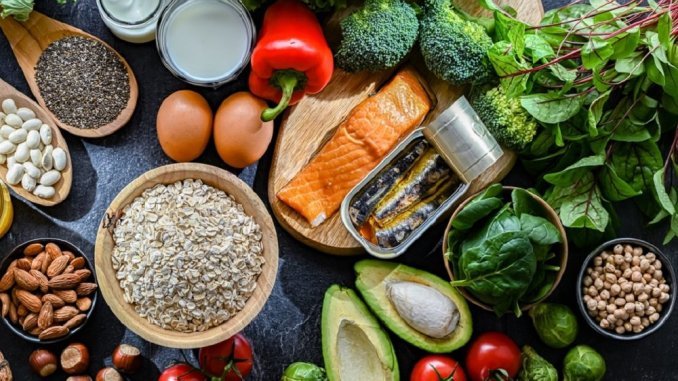
Incorporating anti-inflammatory foods into your diet without sacrificing flavor is a game-changer. Instead of focusing on restrictions, think about smarter swaps that make your meals rich, satisfying, and easy to repeat throughout the week. By emphasizing whole foods like vegetables, fruits, and legumes while reducing processed foods and added sugars, you can create a balanced and flavorful eating plan.
Building flavor begins with using ingredients like olive oil, garlic, onions, citrus, herbs, ginger, and spices to enhance the taste of your dishes. These ingredients can elevate the flavors of vegetables, beans, fish, and grains commonly found in anti-inflammatory diets. The key is to prioritize taste without compromising on health benefits.
To ensure that your meals are both nutritious and filling, include fiber-rich foods such as beans, lentils, vegetables, fruits, and whole grains. These foods not only keep you satisfied for longer but also support a healthy gut microbiome, which plays a crucial role in reducing inflammation. By opting for minimally processed foods and dietary fiber, you can promote gut health and overall well-being.
You don’t need exotic ingredients or expensive products to follow an anti-inflammatory diet successfully. Everyday items like mushrooms, beans, oats, salmon, walnuts, yogurt, berries, and greens can easily be incorporated into your meals. Consider growing mushrooms at home for a cost-effective way to add a rich, meaty flavor to your dishes without relying on processed ingredients.
When it comes to convenience, choose shortcuts that align with a whole-food pattern, such as frozen vegetables, canned beans, plain yogurt, prewashed greens, rotisserie chicken, and plain oatmeal. While it’s okay to indulge occasionally, aim for consistency in your eating habits rather than perfection. Remember, small changes over time can lead to significant improvements in your overall health.
Incorporating anti-inflammatory eating into your lifestyle doesn’t have to be complicated or boring. By focusing on building flavor around nutrient-dense ingredients, you can create meals that are colorful, satisfying, and enjoyable. Embrace the flexibility of this approach and make each meal an opportunity to nourish your body and tantalize your taste buds.