
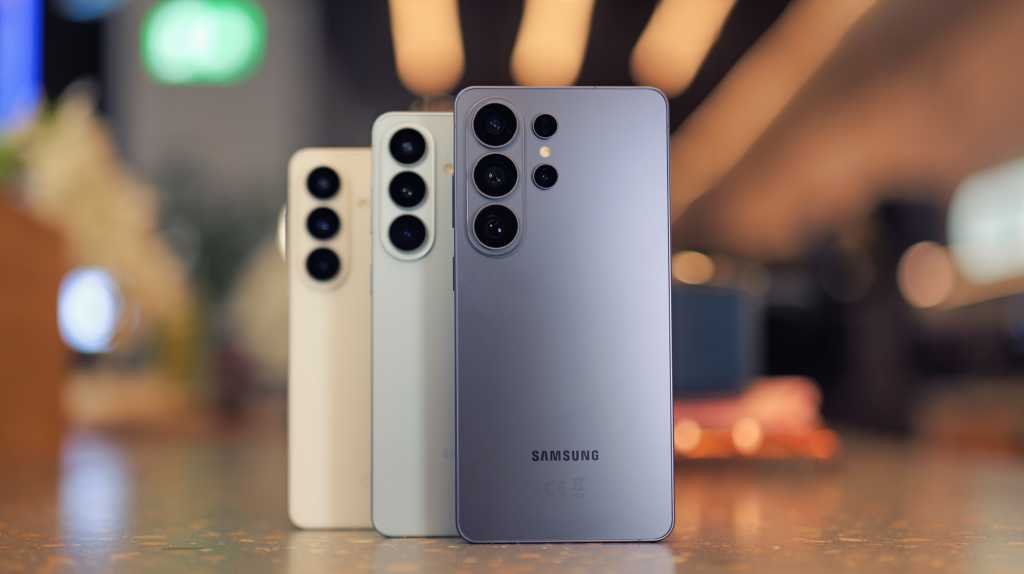
The highly anticipated Samsung Galaxy S27 series is already causing a buzz in the tech world, with rumors swirling about what to expect from the next flagship range of phones. If you’re considering skipping the recently released S26 line-up and waiting for the S27 series instead, here’s a comprehensive rundown of what you need to know.
The Galaxy S26 range, while not disappointing, was seen as another incremental update to Samsung’s flagship phones. While the S26 and S26 Ultra were solid devices, they didn’t bring any groundbreaking changes compared to their predecessors. With competitors like Oppo and OnePlus pushing the boundaries in terms of camera quality and display technology, Samsung has some catching up to do with the S27 range.
The upcoming Galaxy S27 phones are expected to launch early in 2027, possibly in February or March. While the exact release date is still unknown, Samsung might revert to its traditional launch schedule after the delayed S26 launch. Previous generations typically debuted in January with a release the following month, but the S26 range broke that pattern with a February reveal and March launch.
As for pricing, the starting price of the Galaxy S27 range is yet to be confirmed. However, considering the price increase seen with the S26 handsets, it wouldn’t be surprising if the S27 starts at a minimum of £879/$899. The global economic landscape and rising memory costs influenced the higher prices of the S26 devices, so Samsung will need to tread carefully with pricing for the S27 series.
In terms of specs and features, the Galaxy S27 range is rumored to include a Galaxy S27 Pro model positioned between the S27+ and S27 Ultra. The Pro variant is expected to offer premium features without the S Pen, catering to users who don’t need stylus functionality. Additionally, the S27 Ultra might feature a variable aperture camera system, similar to the Galaxy S9 and S10, allowing for better low-light performance.
The S27 Ultra is also rumored to have a new main sensor, with conflicting reports suggesting different sensor sizes and models. Moreover, Samsung is likely to stick with its Exynos chipsets, with the Exynos 2700 already making an appearance on Geekbench servers. The new chipset promises improved performance over the Exynos 2600 used in the S26 range.
In conclusion, the Samsung Galaxy S27 series promises to bring exciting upgrades and features to the table. Stay tuned for more updates on these highly anticipated flagship phones.