
The Challenge of Accepting Kindness in Asian Culture
Accepting kindness can be a complex process for many Asians. While they are capable of receiving acts of generosity, there is often an underlying sense of obligation that accompanies the gesture. Kindness, in many Asian cultures, is not simply accepted with gratitude but is seen as creating a debt that must be repaid.
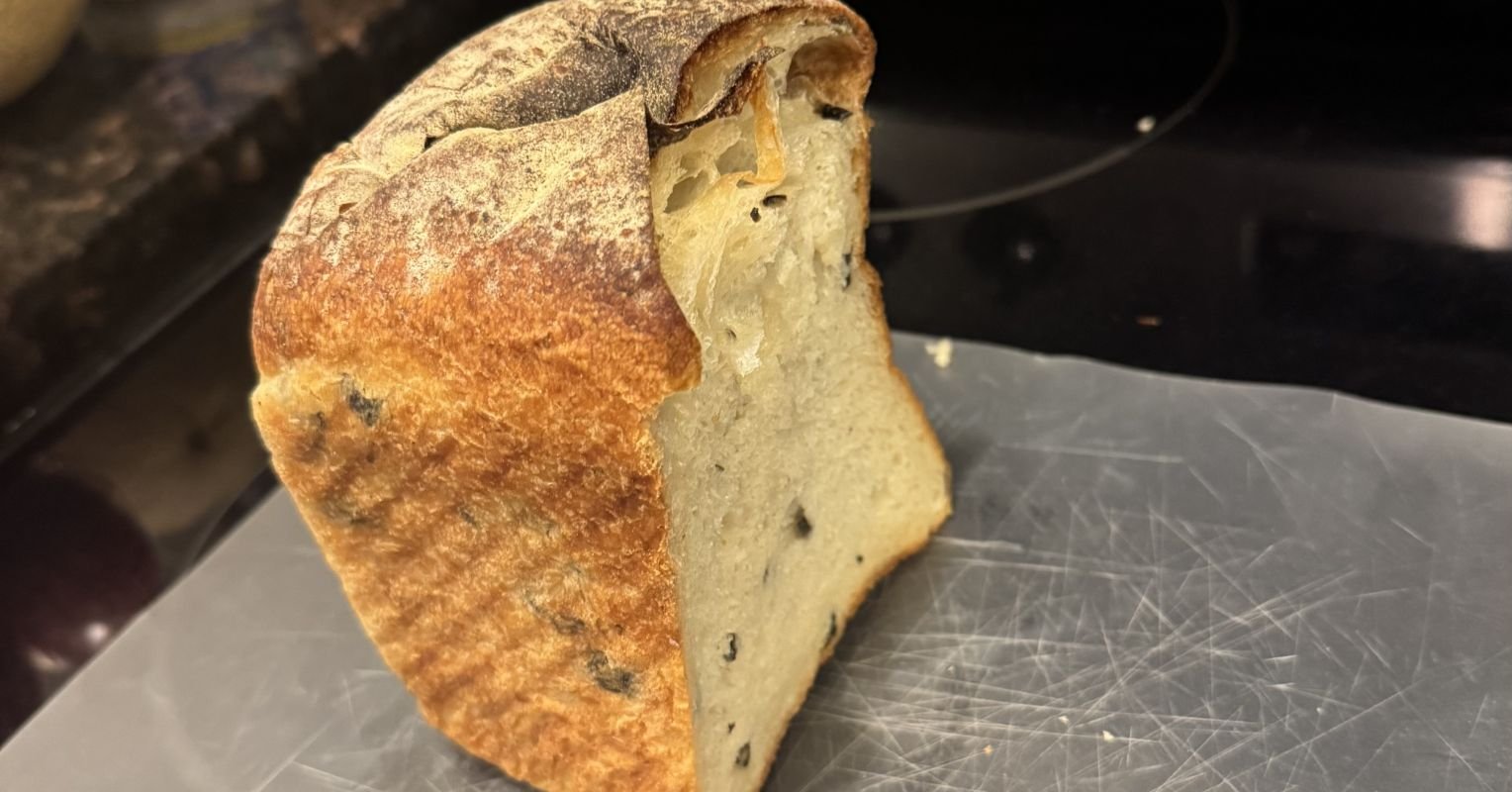
A recent experience highlighted this phenomenon for me. When my wife took our son and his friend to see a movie, the friend’s parent felt compelled to reciprocate by bringing a lavish loaf of olive bread. This act of kindness made me reflect on why it can be challenging for Asians to receive gifts and compliments without feeling indebted.
From a young age, many Asians are taught that showing up empty-handed to someone’s home is disrespectful. This cultural norm ingrains the idea that kindness must be reciprocated with a tangible gift. The concept of gratitude is not only expressed verbally but is also demonstrated through actions.
Even among friends, the reluctance to accept gestures of kindness is prevalent. Many Asians are quick to decline offers of treats or meals, fearing that accepting such gestures will create an emotional debt that must be repaid. The notion of reciprocity is deeply ingrained in Asian culture, leading to a belief that every act of kindness comes with an unspoken contract.
Compliments are also received with hesitation in Asian culture. Instead of embracing praise and allowing it to sink in, many individuals deflect or downplay compliments, fearing that accepting them too readily may come across as boastful or arrogant. There is a reluctance to fully receive praise without feeling the need to prove gratitude through actions.
The pressure to maintain honor and respect within Asian families further complicates the act of receiving kindness. Simply saying thank you for a generous gesture can feel insufficient, as there is a perceived need to demonstrate gratitude through reciprocal actions. Failing to reciprocate can be seen as dishonorable, adding to the burden of receiving kindness.
While cultural norms dictate the need for reciprocation, there is value in simply accepting kindness without expecting repayment. Acts of generosity should be enjoyed for what they are, rather than seen as debts to be settled. By learning to receive kindness graciously, without the weight of obligation, individuals can truly appreciate the value of genuine gestures of goodwill.
Ultimately, the ability to accept kindness without the expectation of repayment is a skill that can lead to deeper connections and a more fulfilling experience of generosity. By embracing kindness with an open heart, individuals can cultivate a sense of gratitude that transcends cultural expectations and fosters genuine appreciation for the generosity of others.