
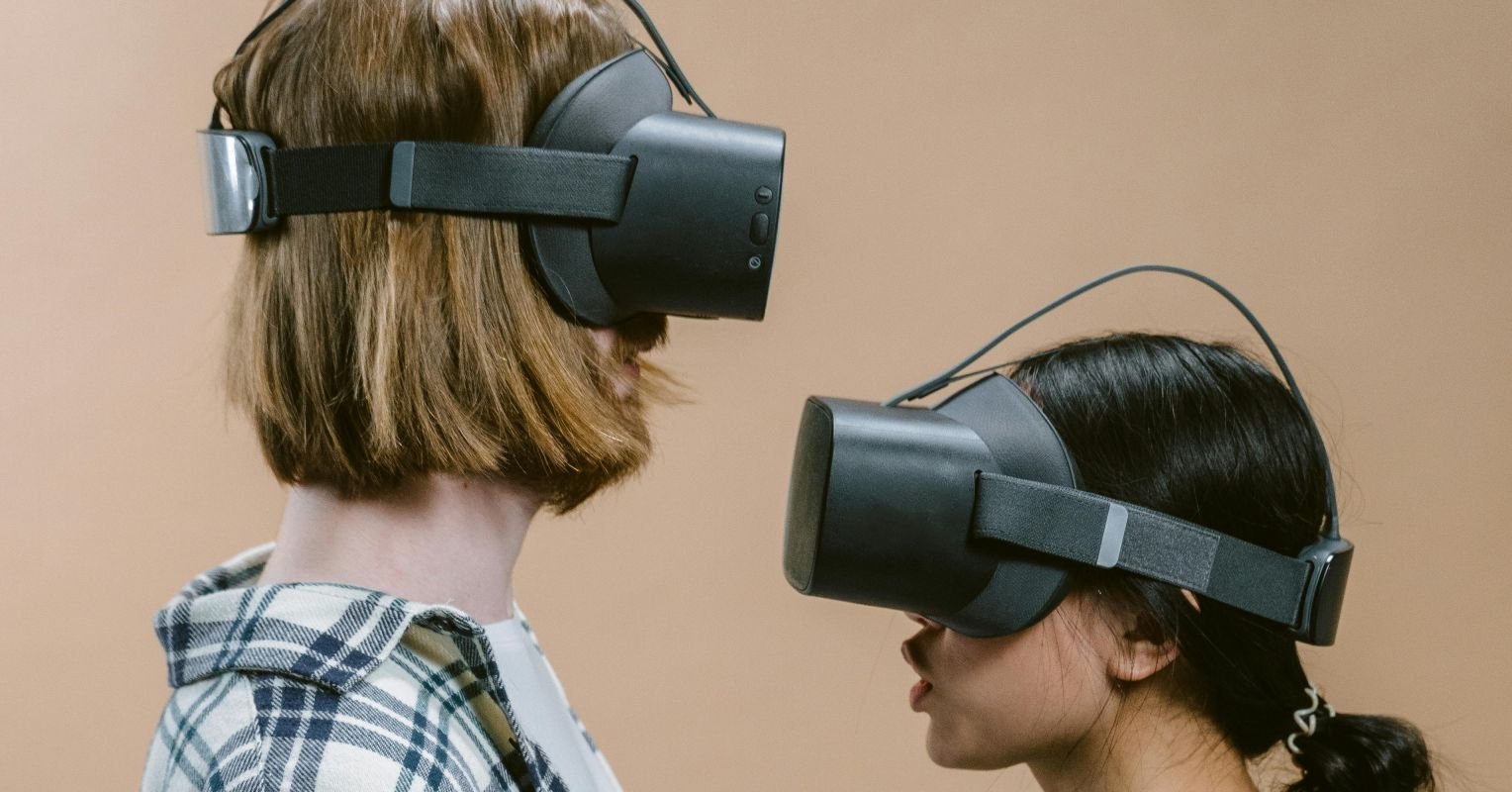
Virtual reality (VR) technology has opened up new possibilities for psychologists to delve into the complexities of human interactions, particularly those between individuals from different social groups. This innovative technology allows researchers to create immersive social environments where participants can engage with virtual characters representing various groups or step into the shoes of someone from a different background – a concept known as outgroup embodiment.
The sense of presence created by VR makes these experiences feel remarkably authentic, with our brains responding to the digital world as if it were real. This realism enables researchers to manipulate social interactions, observe behavior in real-time, and study how individuals respond to complex intergroup situations.
One of the most significant applications of VR in this field is immersive perspective-taking. Unlike traditional perspective-taking exercises that rely on imagination, VR provides a sensory experience by allowing participants to see the world through the eyes of someone from a different group or embody a virtual body that mirrors their movements.
These immersive experiences have the potential to foster empathy, reduce biases, and promote prosocial behavior. However, the outcomes are not always consistent, as some interventions may backfire under certain circumstances. For instance, embodying a stigmatized group member in a threatening scenario could inadvertently increase prejudice.
Individual beliefs and the design of the virtual world also influence the effectiveness of VR interventions. People with strong political or ideological convictions may interpret immersive experiences in a way that reinforces their existing attitudes. Additionally, passive VR experiences that lack interactive elements may fail to evoke meaningful engagement and attitude change.
Despite these challenges, research on immersive technologies and intergroup relations is growing rapidly, with VR being explored in diverse fields such as diversity training, education, healthcare, and conflict resolution. While VR may not eliminate prejudices overnight, it offers valuable insights into the dynamics of social interactions and provides a unique opportunity to explore identity shifts and reactions to unfamiliar perspectives.
By leveraging VR technology thoughtfully, researchers can gain a deeper understanding of social boundaries and potentially discover ways to bridge the divide between different social groups. The evolving landscape of immersive technologies presents a new window into human relationships, offering valuable insights that could shape future interventions aimed at promoting empathy and understanding across diverse communities.