
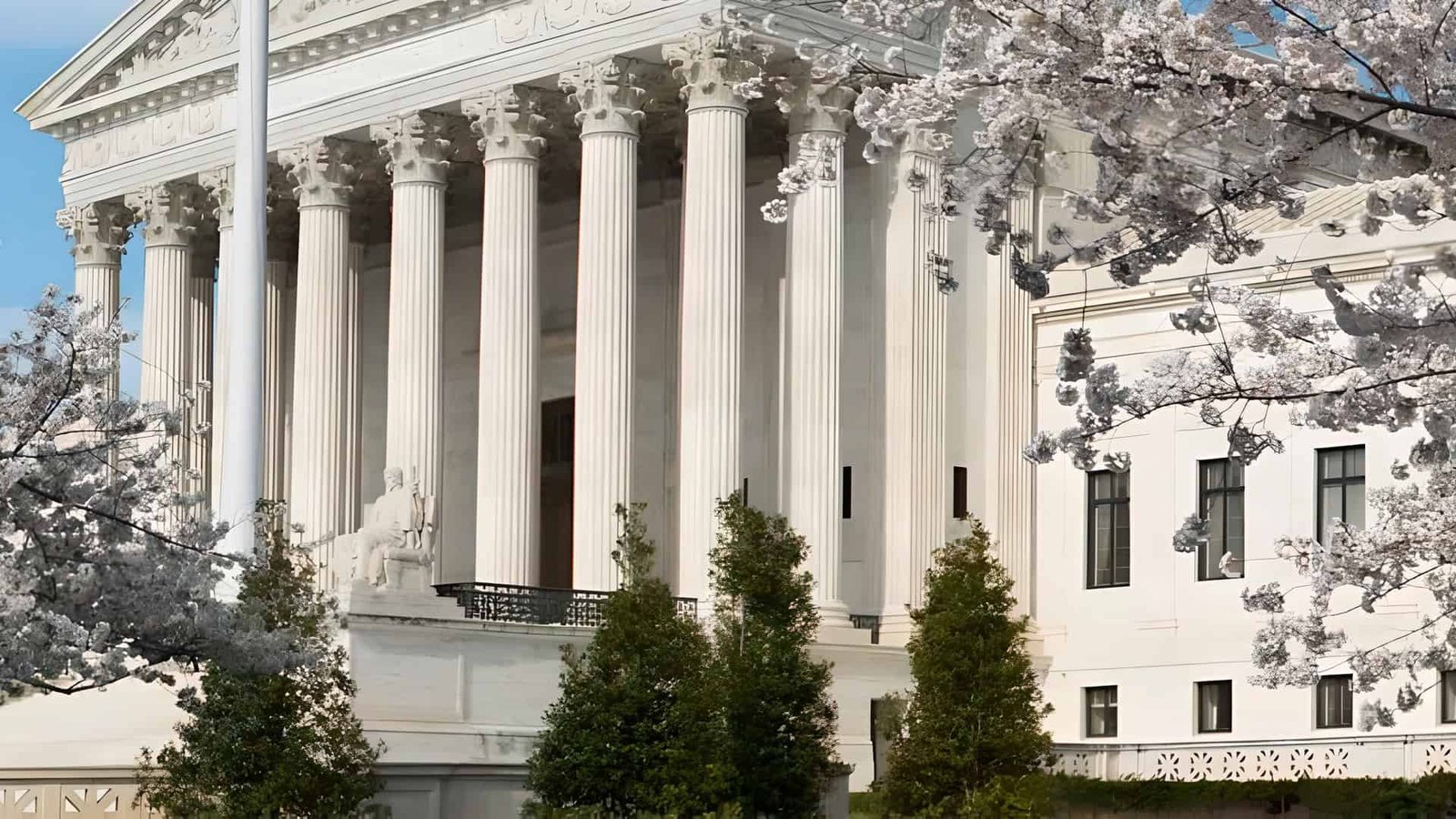
The issue at hand revolves around the ability of a federal agency to levy significant penalties on companies without the need for a courtroom trial. This legal battle involves the U.S. Supreme Court, the FCC, and the fines imposed on major wireless carriers, such as AT&T, Verizon, and T-Mobile.
In 2024, the FCC imposed fines totaling nearly $200 million on these carriers for allegedly selling customer location data to third parties without proper consent. The carriers dispute these allegations, but the crux of the legal battle centers on the FCC’s ability to issue “forfeiture orders,” which are internal financial penalties determined by the agency itself. The carriers argue that this process denies them the right to a jury trial, a fundamental aspect of the American legal system.
The wireless companies argue that these penalties cause irreparable harm to their reputations before they have the chance to defend themselves in court. They contend that the current system bypasses the impartiality of a neutral court and places the proceedings within a closed agency environment.
On the other side, the government, under the Trump administration, defends the FCC’s authority to issue these penalties. Government lawyers assert that these initial fines are not binding and that companies would have the opportunity for a jury trial if the government seeks to collect the money through legal action.
The involvement of the Supreme Court in this case is significant due to its recent scrutiny of the extent of federal agency powers. The outcome of this dispute will likely impact how federal agencies regulate industries in the future. The Supreme Court’s decision will determine whether the FCC’s fines are a necessary regulatory tool or an unconstitutional shortcut. The conflicting conclusions reached by different federal appeals courts further highlight the need for a final, nationwide ruling on this matter.