
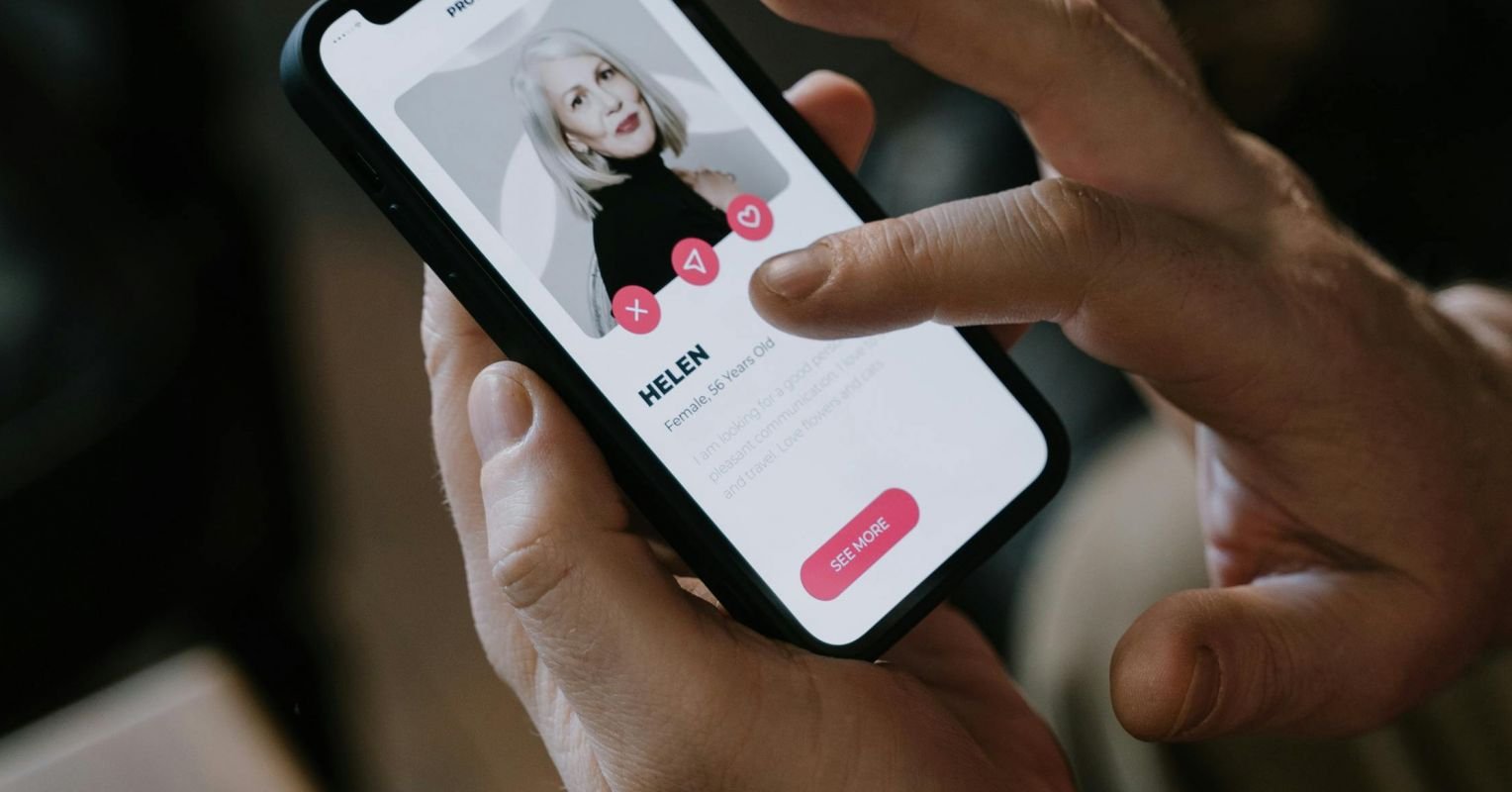
Dating apps were initially introduced as tools to connect people. Platforms like Tinder, Bumble, and Hinge promised to revolutionize the dating scene by making it easier, more accessible, and more personal. These apps expanded social circles, eliminated geographical barriers, and gave millions of individuals the opportunity to meet potential partners they might not have encountered otherwise. While many have found success in forming relationships and even marriages through these platforms, a new psychological concern has arisen: How do dating apps impact the way we perceive ourselves, judge others, and experience intimacy?
Recent studies suggest that using dating apps may be linked to feelings of loneliness, body dissatisfaction, anxiety, emotional exhaustion, and lower psychological well-being. Research has shown negative associations between dating app usage and body image, self-esteem, and overall mental health. This has led experts to question whether the design of these apps reinforces existing insecurities, social comparisons, rejection sensitivity, and self-objectification.
One of the main issues with dating apps is the emphasis on quick, superficial judgments based on limited information. In contrast to real-life interactions that develop gradually and involve multiple dimensions, dating apps often reduce individuals to their photos, age, occupation, and location. Users are encouraged to make snap decisions within seconds, leading to a focus on appearance over personality. This can result in users viewing themselves as profiles in a competitive marketplace, where matches and likes serve as indicators of desirability.
The constant evaluation and comparison on dating apps can lead to self-surveillance and self-objectification, with users basing their self-worth on their perceived attractiveness and market value. The pursuit of validation through these platforms may contribute to emotional distress, body image issues, and a sense of inadequacy. Additionally, the abundance of options on dating apps can paradoxically decrease satisfaction, as users may always be seeking someone better.
The gamified nature of dating apps, with rewards like matches and messages, can create a cycle of engagement driven by short-term emotional highs. Users may find themselves constantly swiping not necessarily to form meaningful connections, but for the thrill of the process itself. This can lead to emotional exhaustion and a sense of dating burnout.
It’s important to distinguish between validation and true intimacy when using dating apps. While receiving matches and messages may provide temporary validation, it does not necessarily lead to genuine emotional connections. The culture of disposability on these apps, where individuals can easily ghost or move on to the next match, can erode empathy and patience in relationships. Unrealistic expectations around instant chemistry and constant stimulation may hinder the development of authentic intimacy.
While dating apps can be beneficial for certain individuals, such as those in remote areas or with niche preferences, it’s crucial to critically examine their psychological impact. The societal implications go beyond dating culture, shaping our emotional habits, expectations, and perceptions of human value. As we become accustomed to viewing others as replaceable commodities, we risk losing sight of the deeper connections that make relationships meaningful.