
The Evolution of Youth Sports and Parental Involvement
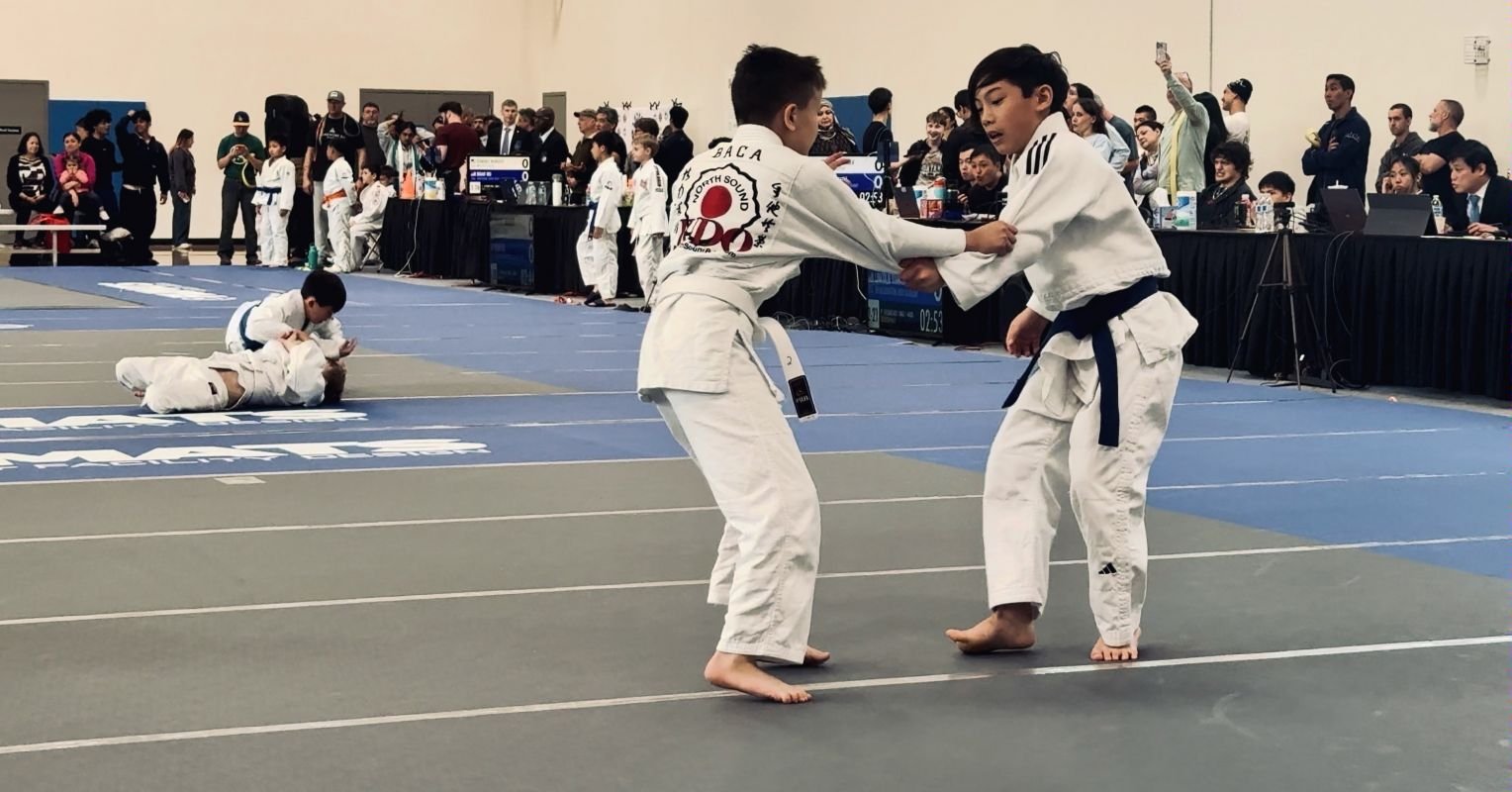
Childhood sports have undergone significant changes compared to previous generations. While reminiscing about playing basketball as a child, the author highlights the shift in parental involvement and the emphasis on winning above all else in today’s youth sports culture. The author reflects on the negative impact this mindset can have on children’s confidence, mental health, and self-worth, drawing from personal experiences with their son’s judo practice.
Observing parents on the sidelines constantly giving instructions and seeking validation from their children after every move, the author emphasizes the importance of creating a safe space for mistakes and learning in sports. Drawing parallels to their own Brazilian jiu-jitsu training, the author stresses the value of losses as valuable learning experiences.
Sharing a poignant moment from their son’s tournament where external pressure to perform impacted his perception of success, the author delves into the delicate balance between constructive feedback and overwhelming expectations. They acknowledge their own shortcomings as a parent, recognizing the need to support their child’s decisions and foster a sense of self-discovery in their sports journey.
Highlighting the absurdities of some parental remarks during competitions and their own journey towards a more hands-off approach, the author acknowledges the well-intentioned nature of parental involvement in youth sports. However, they caution against the potential harm of equating mistakes with failure and conditional love based on performance.
Ultimately, the author advocates for a shift in perspective where children can walk away from sports competitions with their heads held high, recognizing that the true victory lies in resilience, self-worth, and personal growth. Sports should serve as a platform for building confidence and character, rather than merely chasing medals and accolades.
By redefining success in youth sports as a journey of self-discovery and personal development, parents can empower their children to embrace challenges, learn from failures, and cultivate a sense of intrinsic worth beyond external validation.