
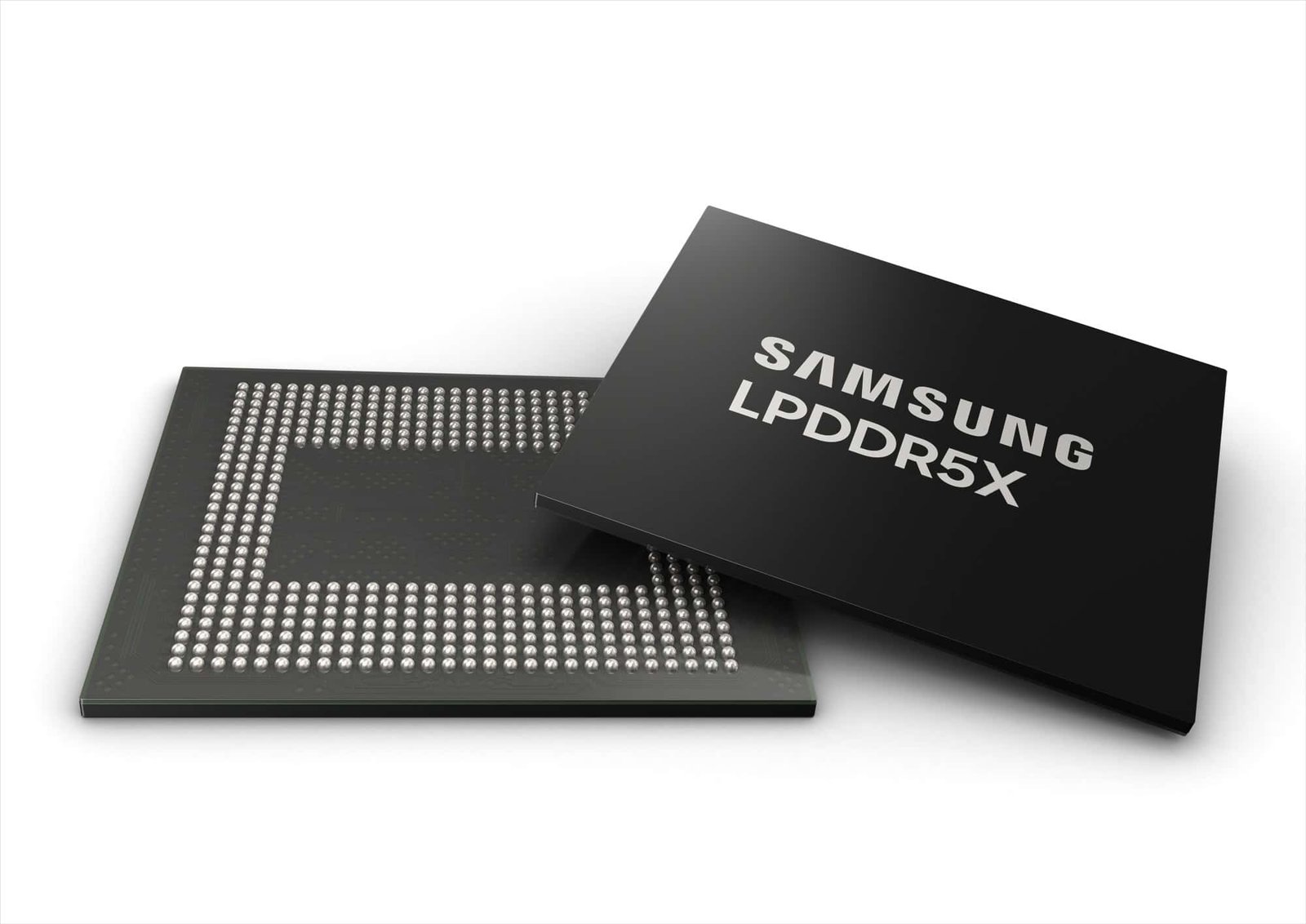
Samsung has recently decided to cease production of its older LPDDR4 and LPDDR4X RAM chips in favor of focusing on the faster and more profitable LPDDR5 standards due to the AI boom. This move has put many smartphone manufacturers and chipset designers in a challenging position. However, where some may see an exit, others see a significant opportunity emerging. It appears that Chinese suppliers are gearing up to fill the gap left by Samsung in LPDDR4 RAM production.
The decision by Samsung to halt new orders for legacy RAM has caused a stir among mid-range and entry-level device manufacturers. Transitioning to LPDDR5 involves more than just swapping out a chip; it often requires a complete redesign of hardware, leading to increased time and costs. In response to this market shift, Chinese DRAM giant CXMT has stepped in to address this gap.
In a strategic collaboration, CXMT has partnered with GigaDevice, a local firm known for its expertise in flash memory and microcontrollers. GigaDevice is reportedly set to invest approximately $825 million in DRAM from CXMT this year, marking a significant six-fold increase from their previous spending. Under this agreement, CXMT will handle the intricate manufacturing process while GigaDevice will focus on product development and distribution.
Despite the dominance of high-speed AI chips in the tech industry, a substantial portion of the global market still relies on LPDDR4 technology. Affordable phones, automotive systems, and IoT devices continue to utilize this older tech to maintain competitive pricing. With CXMT and GigaDevice emerging as key players in this space, they are positioned to cater to the needs of these market segments effectively.
Furthermore, the collaboration between these Chinese companies and major brands like Qualcomm and MediaTek during a global DRAM crisis is not just about meeting current demands but also about building long-term relationships. By supporting these brands in times of need, CXMT and GigaDevice are laying the foundation for potential future collaborations and larger orders.
The timing of this expansion by Chinese manufacturers, including CXMT, is particularly opportune as recent regulatory changes in the U.S. have removed certain restrictions, allowing them to expand their global reach more freely. This newfound flexibility will enable them to grow their clientele and establish themselves as prominent players in the global DRAM market.