
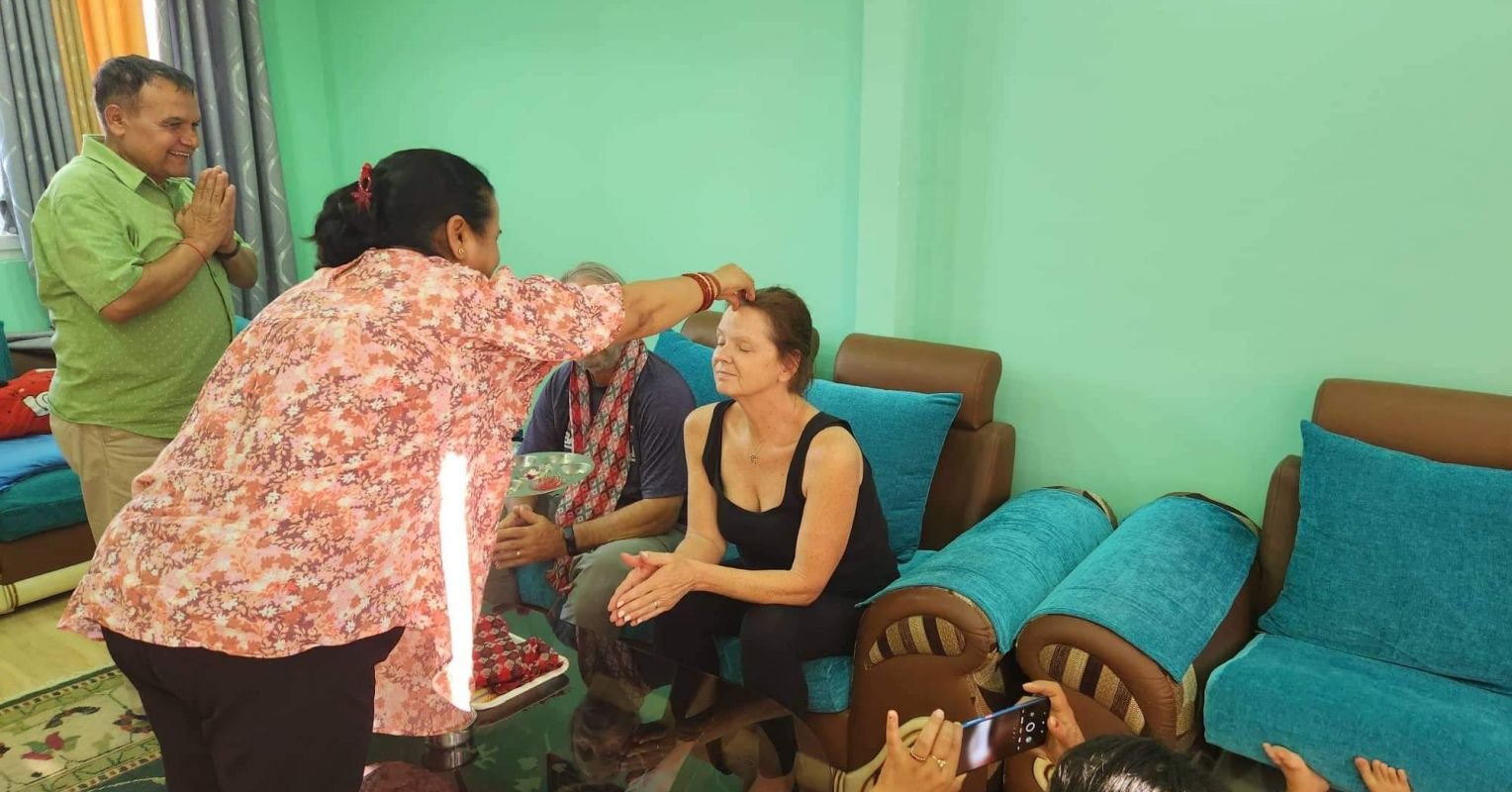
“The Magic of Rituals: Enhancing Connection and Well-being”
“The true journey of self-discovery lies not in seeking new horizons, but in seeing with new eyes.” – Marcel Proust
The act of engaging in ritual, particularly within a group setting, taps into our primal need for connection and shared experiences. Group rituals serve as a way for individuals to align their beliefs and behaviors with others, acting as a form of social, cultural, or familial bonding. Throughout history, rituals have acted as the glue that binds communities together, fostering a sense of unity.
The holiday season in December, encompassing celebrations such as Christmas, Hanukkah, Kwanzaa, and New Year’s, often involves a myriad of rituals. Whether it’s trimming a Christmas tree, lighting a menorah, setting up a Kwanzaa table, or counting down to midnight on New Year’s Eve, these rituals play a vital role in enhancing the sense of connection and enjoyment during these festive occasions.
What sets rituals apart from traditions?
While rituals and traditions are closely linked, traditions encompass a wider scope of customs, beliefs, and actions passed down through generations. Traditions often hold cultural or historical significance and can be shared among communities, such as the Thanksgiving holiday. On the other hand, rituals are specific, formalized behaviors that bring traditions to life, such as the specific dishes served at a Thanksgiving feast. Rituals can either be integral components of traditions or stand independently.
Differentiating rituals from habits
It’s common for customs and rituals to overlap, blurring the lines between the two. Rituals may evolve into habits, while habits can become ritualized. Habits refer to regular behaviors, whether conscious (like daily tooth brushing) or unconscious (such as mindlessly scrolling through your phone). In contrast, rituals are intentional actions performed in a structured manner, imbuing ordinary activities with deeper meaning and significance, transforming them into something sacred or essential, such as a daily practice of meditation or gratitude.
The impact of rituals on health and well-being
Engaging in rituals, whether individually or collectively, can have profound positive effects on overall well-being. Studies indicate that rituals can reduce anxiety, strengthen relationships, and infuse daily life with greater meaning. Human nature craves predictability, and rituals provide a sense of continuity and order, particularly in times of stress and uncertainty. By offering psychological organization to our experiences, rituals create a familiar structure in our lives, offering comfort and certainty in the face of life’s unpredictability.
Incorporating rituals into daily life
To integrate rituals into your daily routine, start by observing your current habits and activities to identify those with special meaning or significance. Evaluate which rituals work well for you and consider amplifying them, while being open to exploring new rituals that resonate with you. Participating in activities that hold personal importance can also enrich your ritual practice, whether through volunteering or engaging in meaningful experiences aligned with your values.
In conclusion, regardless of your life stage, there are opportunities to infuse your experiences with greater meaning, purpose, and a sense of sacredness through rituals. By embracing rituals as a powerful tool for enhancing connection and well-being, you can cultivate a deeper sense of fulfillment and harmony in your daily life.
Copyright 2025 [Your Name], LCSW. The city of New Orleans is a vibrant and culturally rich destination that attracts millions of visitors each year. From its historic architecture to its world-renowned cuisine, there is no shortage of things to see and do in this iconic city.
One of the most famous attractions in New Orleans is the French Quarter, known for its charming streets lined with colorful buildings and lively nightlife. Visitors can stroll down Bourbon Street, where they can enjoy live music, delicious food, and a festive atmosphere. The French Quarter is also home to iconic landmarks such as Jackson Square, St. Louis Cathedral, and the historic French Market.
Another must-visit neighborhood in New Orleans is the Garden District, known for its stunning mansions and beautiful gardens. Visitors can take a leisurely stroll down Magazine Street, where they can shop at boutique stores, dine at upscale restaurants, and admire the historic architecture. The Garden District is also home to the famous Lafayette Cemetery No. 1, where visitors can take guided tours and learn about the city’s unique above-ground burial practices.
No visit to New Orleans would be complete without sampling the city’s famous cuisine. From gumbo and po’boys to beignets and pralines, there is no shortage of delicious dishes to try in this culinary capital. Visitors can dine at world-class restaurants like Commander’s Palace, Emeril’s, and Galatoire’s, or grab a bite to eat at one of the city’s many food trucks and markets.
In addition to its historic sites and delicious food, New Orleans is also known for its vibrant music scene. From jazz and blues to zydeco and funk, visitors can enjoy live music performances at venues throughout the city. The annual New Orleans Jazz & Heritage Festival is a must-visit event for music lovers, featuring performances by both local and international artists.
Overall, New Orleans is a city like no other, with its unique blend of history, culture, and cuisine. Whether you’re exploring the French Quarter, dining in the Garden District, or dancing to live music, there is something for everyone to enjoy in this iconic city. So pack your bags, book your trip, and get ready to experience the magic of New Orleans.