
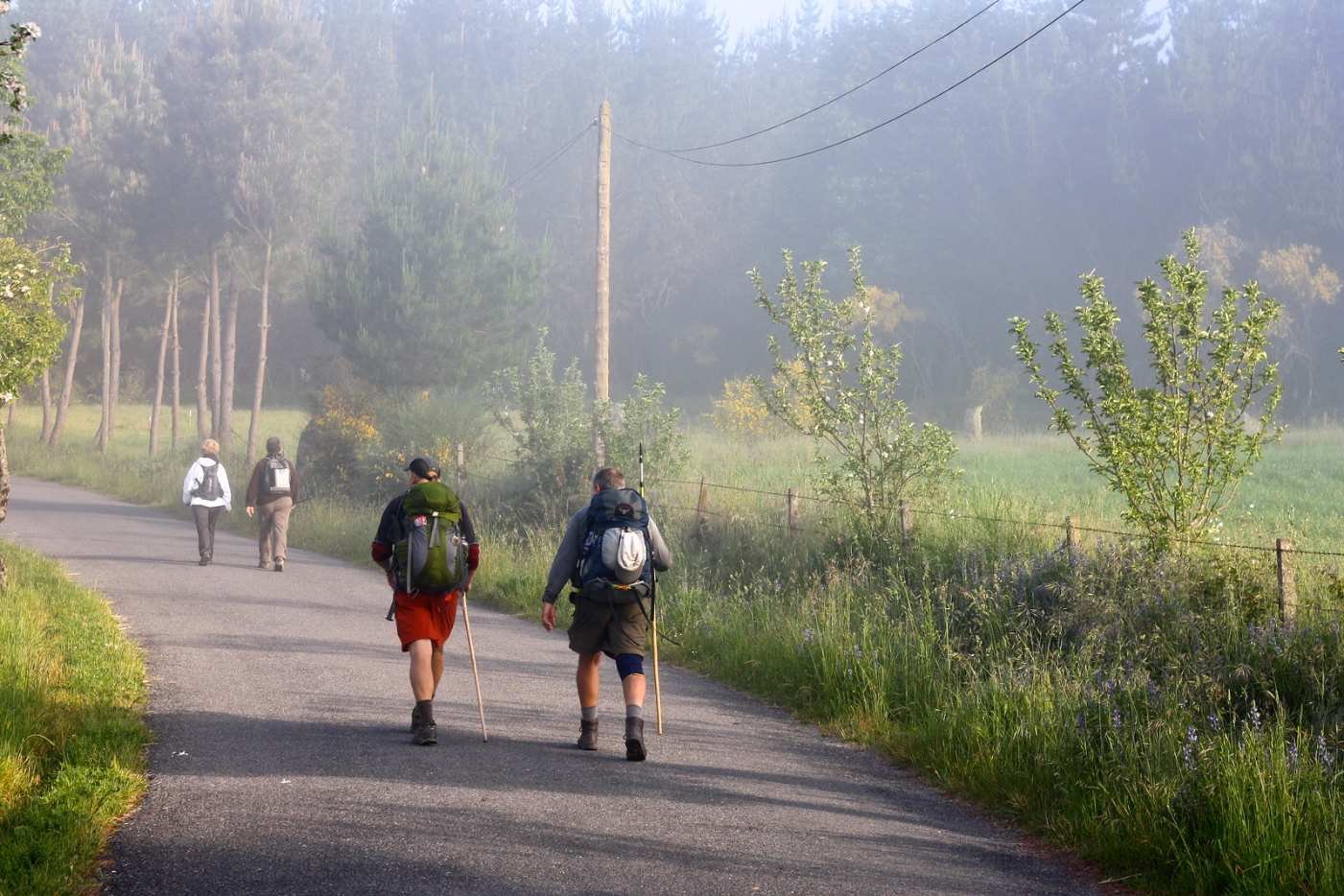
How often do we find ourselves walking a distance of 15 miles or 24 kilometers to reach our destination?
In our modern world, dominated by digital screens, this occurrence is rare. However, on the Camino de Santiago, covering such a distance is a common experience. The Camino entails a trek of over 500 miles (approximately 805 kilometers) leading towards the Cathedral de Santiago de Compostela in Galicia, Spain.
This renowned pilgrimage has attracted millions of individuals from diverse backgrounds since the ninth century. Its enduring legacy speaks volumes about its significance and influence.
One may wonder, why would anyone undertake such a journey when there are more convenient modes of travel available?
Simply put, the Camino offers a tangible pathway to mindfulness, defined as:
- Living intentionally with awareness in the present moment.
- Letting go of avoidance, suppression, or denial of the present moment.
- Attending to each new moment without holding onto the past or fixating on the future (Marsha M. Linehan, 2014).
On the Camino, this sense of mindfulness naturally emerges. With each step taken through unfamiliar terrain, pilgrims open their senses to the surroundings, observing without judgment.
Choosing to Awaken
Embarking on a Camino journey signifies a decision to break free from automatic routines and be fully present in one’s life. Pilgrims arrive with both physical and metaphorical “baggage,” prepared to carry it along while also letting it go.
Reasons for undertaking this journey may vary: the need for change, the search for meaning, a desire to break from routine, or simply a love for walking.
The Camino presents physical and mental challenges. It is through pushing these limits that transformation, healing, new discoveries, emotional depth, and radical acceptance are facilitated.
St. Jean Pied De Port, the starting point of the Camino, features ancient cobblestone streets and bustling with pilgrims donning backpacks and hiking boots. The first directional arrow awaits discovery, marking the commencement of the journey. While guidebooks and suggestions exist, the path emphasizes the essence of simply “being,” allowing pilgrims to choose their own pace.
Returning to Basics
Embracing this state of “being” on the Camino leads individuals back to the fundamentals. A harmonious rhythm is found in walking, thinking, and conversing—a delicate balance of holding on and letting go. Amidst loss, new connections are forged. Interactions with fellow pilgrims, shared meals, and collaborative efforts to locate accommodations foster a sense of community.
Traversing through villages, the cycle of arrival and departure blends seamlessly. Each passing hour brings a deeper harmony with the surroundings and an understanding of one’s place within the natural life cycle.
Walking among a collective of pilgrims instills a sense of centeredness, liberation, and the ability to process experiences. It cultivates equanimity, mental composure, and resilience, even amidst physical challenges and discomfort. The Camino’s constant motion prevents stagnation, keeping pilgrims engaged in the journey.
The allure of the Camino lies in its capacity to allow individuals to hold painful experiences with compassion. It encourages the integration of these experiences into personal narratives, embracing the duality of connection and loss on a daily basis.
As pilgrims journey together, conversations flow freely. Amidst the scenic beauty, discussions range from politics to culture, from shared grief to moments of joy. The Camino acts as a therapeutic space for exploring hardships amidst nature’s grandeur, breathing in fresh air, and engaging muscles along the open road.
Embracing Freedom on and off the Path
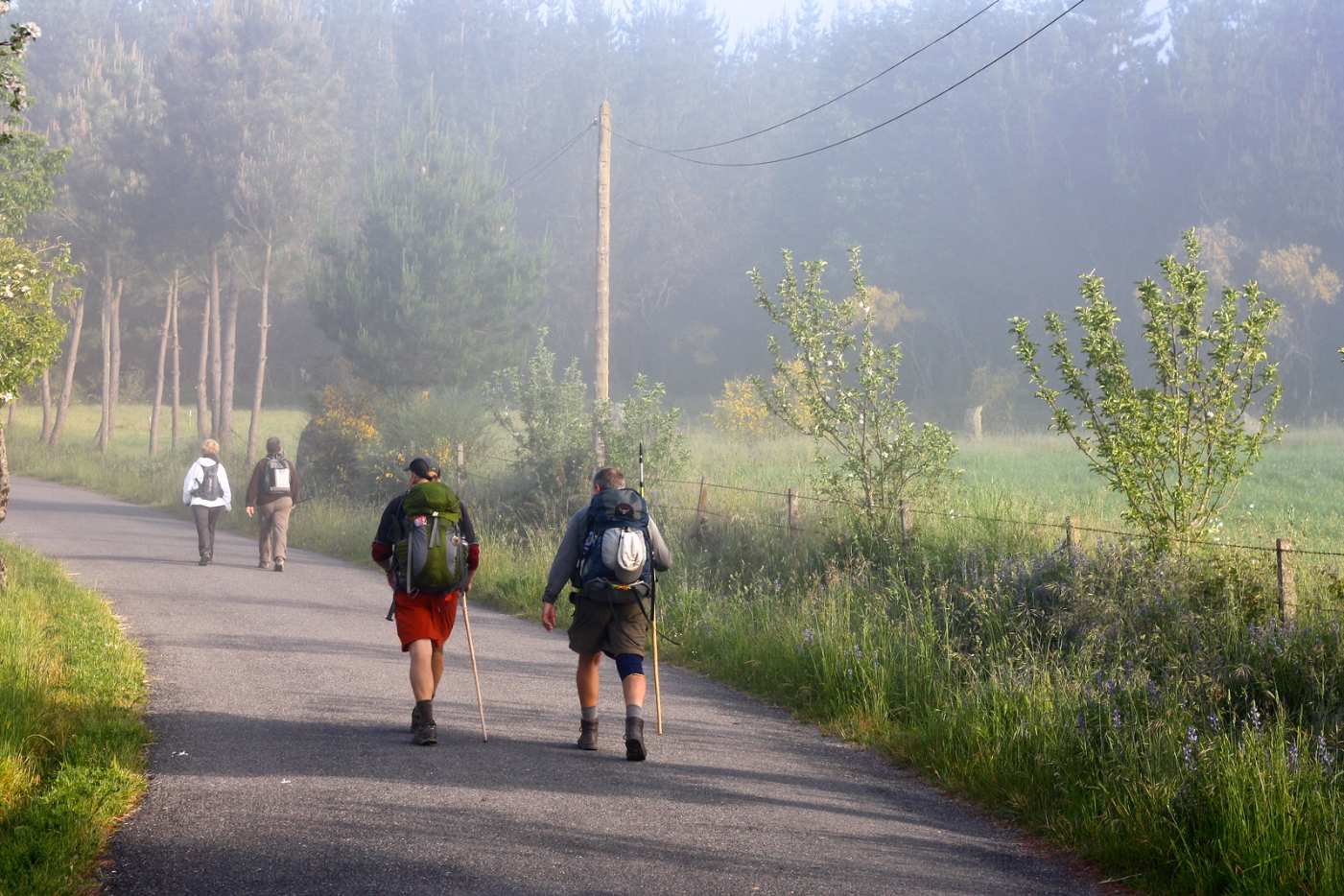
The Camino provides a space where suffering can be met with compassion, and newfound freedom can be experienced. Many individuals find themselves more alive and empowered to confront a full spectrum of experiences, accepting both the negative and positive aspects into their awareness.
In the pursuit of well-being, the Camino journey offers a gateway to mindfulness, even when off the trail. During moments of stress, deadlines, and distractions, one can mentally transport themselves back to the essence of the Camino, rekindling their senses and embracing the present moment with openness and non-judgment.
«RELATED READ» CHANGING PLACES: Live a life with no regrets»
image: Trevor Huxham