
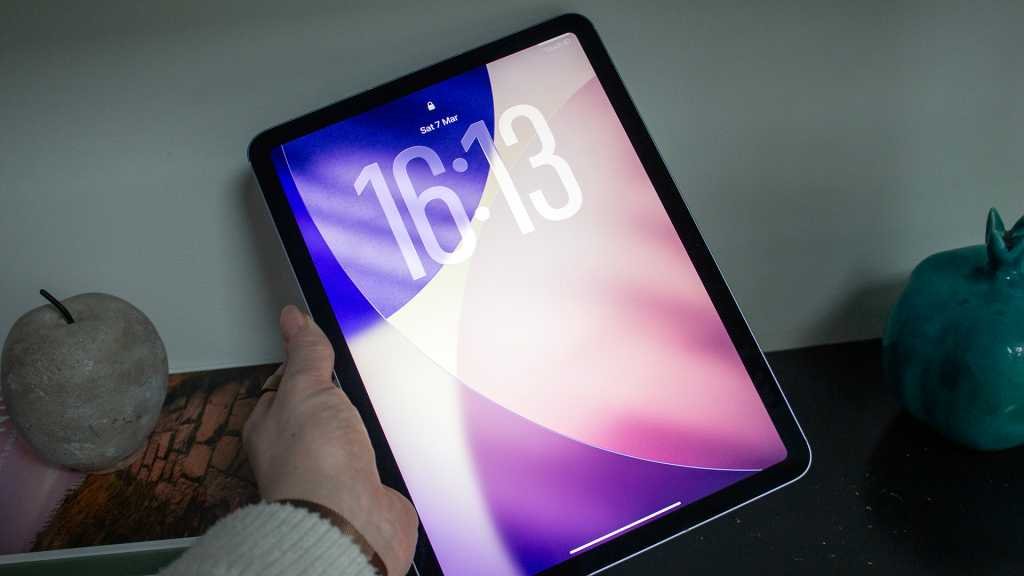
An announcement regarding Google’s efforts on Android for tablets has brought attention to a longstanding issue that many have been aware of for quite some time.
Android Authority reports that Google is set to unveil a new badge on its Google Play Store that will showcase apps specifically designed for larger screens like tablets (and foldable book-style devices, of course).
While this development may seem positive on the surface, it actually sheds light on Google’s significant shortcomings in the tablet market.
Google’s Tablet Blind Spot
One might wonder why it has taken Google this long to emphasize tablet-optimized apps in such a fundamental way, considering that Android tablets have been around since 2010.
However, the real issue lies in Google’s ongoing struggle to differentiate between apps that are properly optimized for tablets and those that are merely stretched versions of phone apps.
This problem seems outdated, yet it continues to impact Android tablet users in mid-2026.
Apple’s Tablet Dominance
In contrast, Apple does not face these challenges. While there have been instances where mobile apps took time to arrive on iPad – such as WhatsApp only getting a native iPad app last year – there is generally a vast array of iPad-ready applications available.
Apple’s dominance in the tablet market is evident, with the iPad series holding a 51.5% share as of early 2026, according to StatCounter. Considering the fragmented nature of the Android tablet market, Samsung’s second-place position with just 25.8% is noteworthy.
Apple’s stronghold in this sector is undeniable and could potentially expand further under the leadership of John Ternus, who spearheaded the development of the MacBook Neo, a product that could signal a significant shift in the tablet landscape.
Anticipating a Game-Changer: The Neo
While Mac coverage is typically handled by our colleagues at Macworld, we closely monitor Apple’s laptop innovations, particularly as many of us rely on them for work. The MacBook Neo represents a pivotal moment for Apple, marking its entry into the affordable laptop market with a bright, capable, and affordable device priced at £600/$600.
This move positions Apple to compete in the student laptop market, challenging the dominance of inexpensive Windows laptops. With the success of the MacBook Neo, the next logical step for Apple could involve launching an iPad Neo to solidify its presence in the tablet realm.
While some may question the push for a stronger market monopoly, Google and its Android counterparts bear responsibility for their failure to build a compelling and consistent Android tablet ecosystem over the past 16 years. An iPad Neo could potentially disrupt the stagnant Android tablet market and prompt a much-needed evolution.