
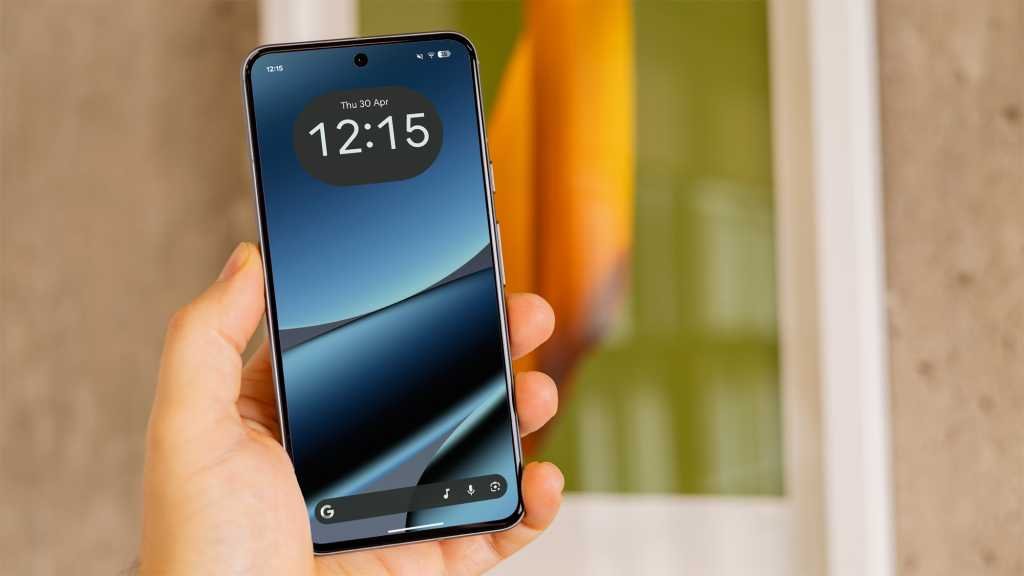
The much-anticipated Android 17 update is on its way, but not all smartphones will be able to receive it. While newer models typically receive updates for five to seven years, some devices will be left out of the update cycle in 2026. This highlights the importance of checking whether your device will be eligible for the Android 17 update to avoid any surprises.
To assist with this, we have compiled a list of major manufacturers whose devices may not receive the Android 17 update. Please note that this list is not exhaustive, as there are numerous brands and models in the market.
Google Pixel:
Owners of Google Pixel 6, 6 Pro, and 6a can expect to receive the Android 17 update. However, older models such as Pixel 5a, 5, 4a 5G, and 4a are not expected to receive the update. Consider upgrading to newer models like the Google Pixel 10 or Pixel 10a for continued software support.
Samsung Galaxy:
While Samsung typically provides updates for a long time, older flagship models like the Galaxy S22 series, Galaxy S21 series (including the S21 FE), Galaxy Z Fold4, Z Flip4, Z Fold3, Z Flip3, and various Galaxy A and M series models may not receive the Android 17 update. Consider upgrading to newer models like the Samsung Galaxy S26 or Galaxy S26 Ultra.
Xiaomi, Redmi, and Poco:
Updates for Xiaomi devices can vary depending on the series and region. Models like Xiaomi 12, 11T, Mi 11 series, Redmi Note 12 series, Redmi Note 11 series, Poco F4, X5, X5 Pro, and older Poco M and C models may miss out on the Android 17 update. New releases like the Xiaomi 17, Xiaomi 17 Ultra, and Xiaomi Poco X8 Pro are worth considering.
Oppo:
Devices like Oppo Find X5, X5 Pro, X3, Reno8 series, Reno9 series, and older A and Find X models are unlikely to receive the Android 17 update. Consider upgrading to the Oppo Find X9 Pro for a premium smartphone experience.
Honor:
Honor devices from the Magic4 series, 70, 90, X7 series, X8 series, X9 series, and older Honor X models may not receive the Android 17 update. The Honor Magic 8 Pro and Honor 400 series offer compelling options for different price points.
OnePlus:
OnePlus smartphones like the OnePlus 10 Pro, T, R, 9, Pro, RT, Nord 3, Nord 2, 2T, and older Nord CE models may not receive the Android 17 update. The new OnePlus 15 is a high-performance choice expected to receive four more Android updates.
Motorola:
Older Edge and Moto G models like the Edge 40, 40 Pro, Edge 30 series, Moto G84, G73, G72, G62, G54, G53, and older Moto G models may miss out on the Android 17 update. The Motorola Signature offers power and performance for users.
Nothing:
Most Nothing models will receive the Android 17 update, except for the Nothing Phone (1), Nothing Phone (2), and CMF Phone 1. Explore the new Nothing Phone (4a) and Nothing Phone (4a) Pro for upgraded options.
Sony Xperia:
Sony Xperia models like the Xperia 1 V, 5 V, 10 V, 1 IV, 5 IV, 10 IV, and older Xperia models may not receive updates. Consider the Sony Xperia 1 VII as a potential upgrade.
Realme:
Realme models like the GT 2, Pro, GT Neo 3, 3T, 10 series, 11 series, C55, C53, and older Realme C and Narzo models may not receive the Android 17 update. Explore the best phones, best mid-range phones, and best budget phones for alternative recommendations.
Asus:
Asus models like Zenfone 10, 9, ROG Phone 8, Pro, 7, Ultimate, and older ROG and Zenfone models may not receive the Android 17 update. Asus has temporarily withdrawn from the smartphone market, so consider other manufacturers for upgrades.
Vivo:
Vivo models like V30, Pro, V29, V29 Pro, V27, X90, X90 Pro, X80 series, and older Y and T models may miss out on the Android 17 update. The Vivo X300 is recommended for users looking for an excellent camera phone.
While it’s essential to check if your device will receive the Android 17 update, keep in mind that devices without updates are not necessarily insecure. They can still receive security updates for continued use. If it’s time to upgrade, explore the best smartphones, mid-range phones, and budget phones for suitable options. Remember to consider factors like performance, features, and budget when choosing a new device.