
Embracing the Future of Protein: Combining Animal and Plant Proteins
As product developers continue to seek ways to enhance sustainability and reduce costs, the practice of combining animal and plant proteins is gaining traction. The Balanced Protein Consortium in San Francisco advocates for this approach, defining a balanced protein product as one that replaces 30% of animal-based ingredients with plant-based alternatives.
Challenges in the Dairy Industry
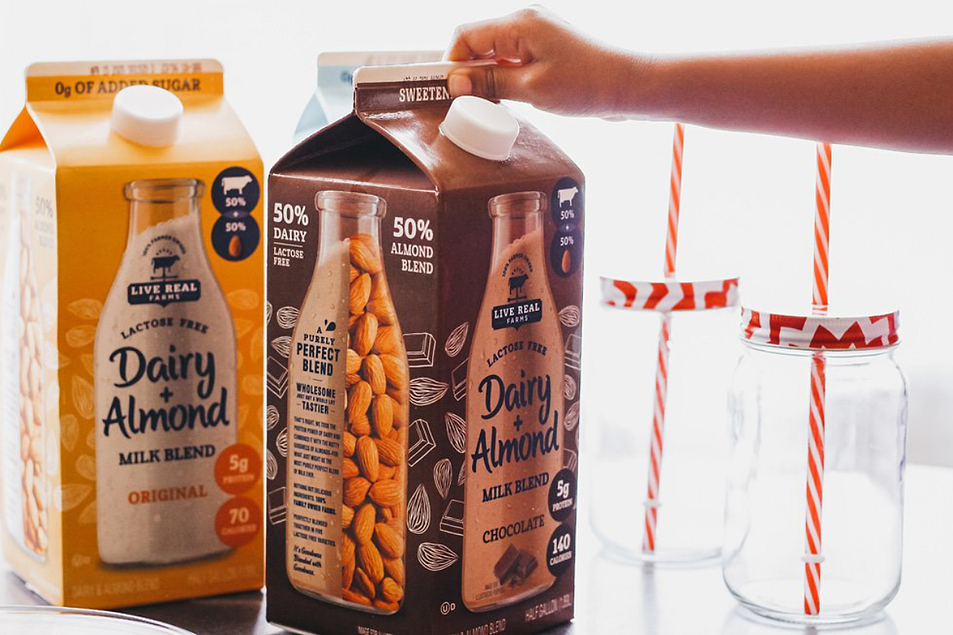
While some dairy manufacturers have attempted to introduce balanced protein products to the market, success has been elusive. In 2019, Dairy Farmers of America launched Live Real Farms Dairy Plus Milk Blends, which combined cows’ milk with almonds or oats. Despite efforts to promote the product through sampling, production was halted due to the pandemic. Similarly, Shamrock Farms introduced Swirled in 2021, a chocolate milk alternative made from a blend of dairy and plant-based ingredients. However, the product had a limited retail presence.
Shifting Consumer Perspectives
Although early attempts at balanced protein products may not have resonated with consumers, attitudes are beginning to change. Caroline Cotto, director of Nectar, highlights the environmental benefits of diversifying protein sources, particularly in dairy products. By reducing reliance on resource-intensive animal ingredients, balanced dairy products offer a more sustainable option without compromising on taste or price.
European Innovations in Protein Blending
Europe, particularly Scandinavia, has emerged as a hub for successful applications of combined animal and plant proteins. PlanetDairy in Denmark produces hybrid milks and cheeses, with products like pizza mix containing a blend of plant-based ingredients, milk protein, and mozzarella. Cheesepop Food Group in the Netherlands offers hybrid cheese blocks for foodservice, combining real cheese with plant-based analogs to provide cost savings.
Overcoming Challenges in the Market
While blended dairy products faced resistance in markets like the United States and Ireland, taste tests and consumer feedback indicate a growing acceptance of these innovative offerings. Nectar’s research underscores the importance of enhancing dairy-associated flavors while addressing consumer perceptions and communication strategies to drive acceptance of balanced dairy products.
The Path Forward for Balanced Protein Products
With the global dairy market valued at nearly $1 trillion, there is significant potential for balanced dairy products to capture a meaningful share by delivering on taste, performance, and sustainability. By aligning product compositions with consumer preferences and building trust through familiar formats, balanced protein products can pave the way for a more sustainable and appealing future in the food industry.