
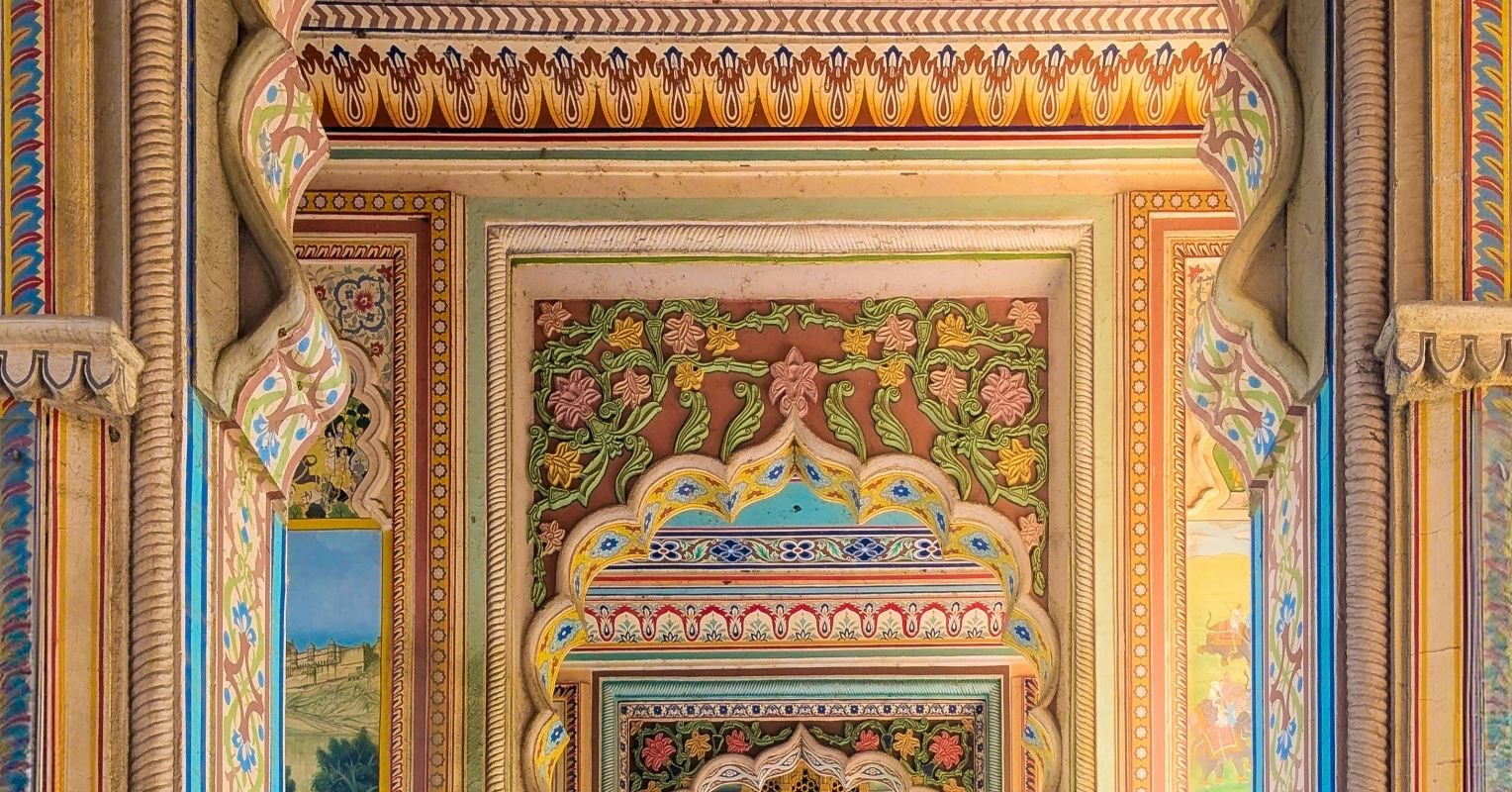
Indian architecture is a fascinating subject that offers a unique insight into cultural preferences and aesthetic values. When we think about architecture, we often consider the impact of design on our perceptions and emotions. The way a space is constructed can evoke different feelings, from comfort to unease.
Imagine stepping into a room with low ceilings, fluorescent lighting, and narrow dimensions that make you feel confined. The harsh white walls and bright lighting create a sense of discomfort, triggering our primal instincts of threat detection. This reaction is rooted in our evolutionary history and serves as a reminder that our aesthetic preferences are shaped by a complex interplay of biological and cultural factors.
The concept of “good taste” in design is not universal but rather a product of Western European dominance in the aesthetic realm. This dominance has led to the marginalization of non-Western traditions and the imposition of Eurocentric standards as the benchmark for excellence. However, dismissing all aesthetic preferences as culturally conditioned overlooks the universal aspects of human perception and emotional response.
Aesthetic preferences are influenced by multiple layers of factors, including neurological responses, instinctual drives, personality traits, cultural upbringing, and societal norms. These factors interact to shape our perception of beauty and coherence in the built environment. Rather than viewing taste as a fixed standard, it is more accurate to see it as a dynamic interplay of individual and collective influences.
Coherence emerges as a key criterion for evaluating aesthetic preferences, reflecting the alignment between the inner experience of an individual or community and their external environment. This sense of harmony and authenticity is what defines true taste, transcending mere notions of sophistication or hierarchy. It is about creating spaces that resonate with our inner selves and reflect our values and identities.
In conclusion, Indian architecture offers a rich tapestry of design elements and cultural influences that challenge conventional notions of taste and beauty. By embracing the diversity of aesthetic expressions and recognizing the multidimensional nature of taste, we can appreciate the richness and complexity of architectural traditions around the world. Next time you step into a space, consider the interplay of factors that shape your perception and experience, and appreciate the unique beauty of Indian architecture.