
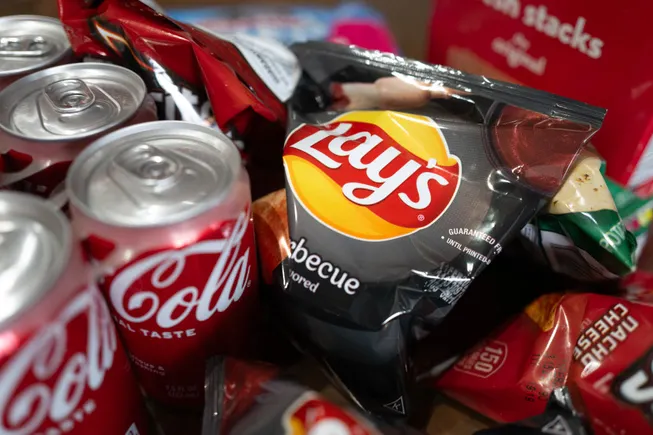
The processed food industry is facing legal challenges as consumer lawsuits claim that products from companies like Kraft Heinz and PepsiCo are intentionally designed to be addictive. A recent complaint filed in the U.S. District Court for the Eastern District of Wisconsin is seeking $1 billion in damages, alleging that ultraprocessed foods are scientifically engineered to create addiction, especially in children.
This lawsuit is the second of its kind, following a government lawsuit filed by San Francisco a few months ago, which accused food manufacturers of contributing to a “public health crisis.” The recent legal action aims to draw parallels between the processed food industry and the tactics used by the tobacco industry, which has faced significant litigation and restrictions on marketing practices.
Proving the link between processed foods and health issues has been a challenge in previous lawsuits. A previous consumer lawsuit was dismissed by a judge who found it lacking in evidence connecting ultraprocessed foods to the plaintiff’s injuries. In the current complaint, plaintiff Olivia Kreie, who was diagnosed with Type 2 Diabetes in 2016, aims to establish a clearer connection between her health condition and the consumption of processed foods.
Kreie’s lawsuit lists the processed foods she frequently consumed before her diagnosis, including products from major companies like Kraft Heinz, General Mills, Coca-Cola, and Nestle. The complaint names 12 food giants in total, accusing them of contributing to the rise in health issues associated with processed food consumption.
Food companies have been actively defending themselves against legal challenges, with PepsiCo successfully moving a recent case back to state court. Companies have also managed to delay or block state laws targeting artificial ingredients and additives used in ultraprocessed foods in states like Texas and West Virginia.
The ongoing legal battles in the processed food industry highlight the growing concerns about the health impact of these products. Consumers are becoming more aware of the potential risks associated with processed foods, leading to increased scrutiny and legal action against major food manufacturers. The outcome of these lawsuits could have significant implications for the industry and may result in changes to how processed foods are marketed and regulated in the future.