
When I observe animal lovers indulging in calamari or squid dishes, I can’t help but feel a sense of surprise. It’s not about coastal communities that rely on the sea for sustenance, but rather individuals from areas where options like burgers, tofu, or even lionfish tacos are readily available. Despite our efforts to protect the ocean, including coral reef restoration and beach clean-ups, seafood platters still remain a common choice, even among those who advocate for ocean conservation.
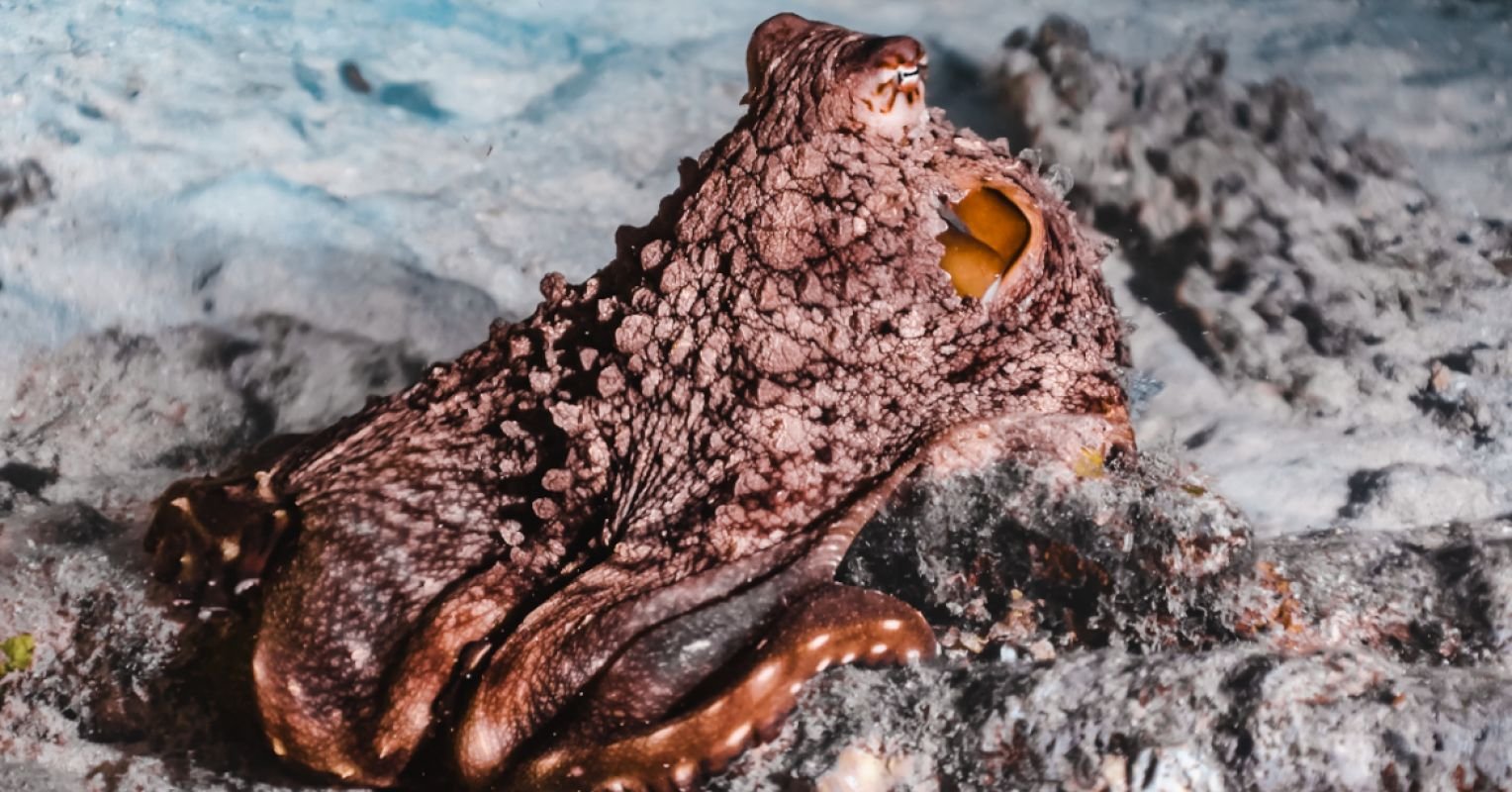
The disconnect between our actions and our advocacy for marine life is striking. While we campaign for sharks and coral reefs, we often overlook the intelligence and sentience of creatures like octopuses. These cephalopods can experience pain, pleasure, fear, and more, as studies have shown. They exhibit behaviors that indicate consciousness and self-control, challenging us to reconsider how we interact with them.
Here are five evidence-based reasons why divers and ocean enthusiasts should reconsider consuming octopus and other cephalopods:
1. They are sentient beings capable of feeling pain and emotions, as demonstrated by scientific studies on octopuses and squids.
2. Legal recognition of cephalopod sentience is increasing globally, with regulations in the UK and bans on octopus farming in states like California.
3. Octopus aquaculture poses sustainability and welfare challenges, exacerbating pressure on wild populations.
4. Wild octopus populations are declining, with demand outstripping supply, threatening marine ecosystems.
5. Eating cephalopods contradicts the ethos of environmental protection and conservation that many ocean enthusiasts advocate for.
To align our actions with our values as ocean ambassadors, we can:
– Choose plant-based alternatives to cephalopod dishes.
– Support legislative efforts to protect cephalopods and marine life.
– Share our interactions with cephalopods to raise awareness of their importance.
– Engage in citizen science projects to contribute to marine conservation efforts.
By forgoing octopus on our plates, we can show respect for these intelligent creatures and uphold our commitment to protecting the ocean. Let’s make ethical and sustainable choices that reflect the awe and wonder we experience when encountering cephalopods in their natural habitat.