
Throughout the past few months, my significant other has developed a strong fondness for the television show Peacemaker. Television isn’t really my thing, but something my partner mentioned caught my attention during the opening theme. As the characters danced with serious expressions, my partner remarked, “You see, Jen. It’s inviting you to pass judgment. When people dance, they are putting themselves out there, but this show conveys something beautiful.”
I must admit, I haven’t progressed beyond the intro, but there’s something captivating about those initial moments.
Making Order out of Chaos
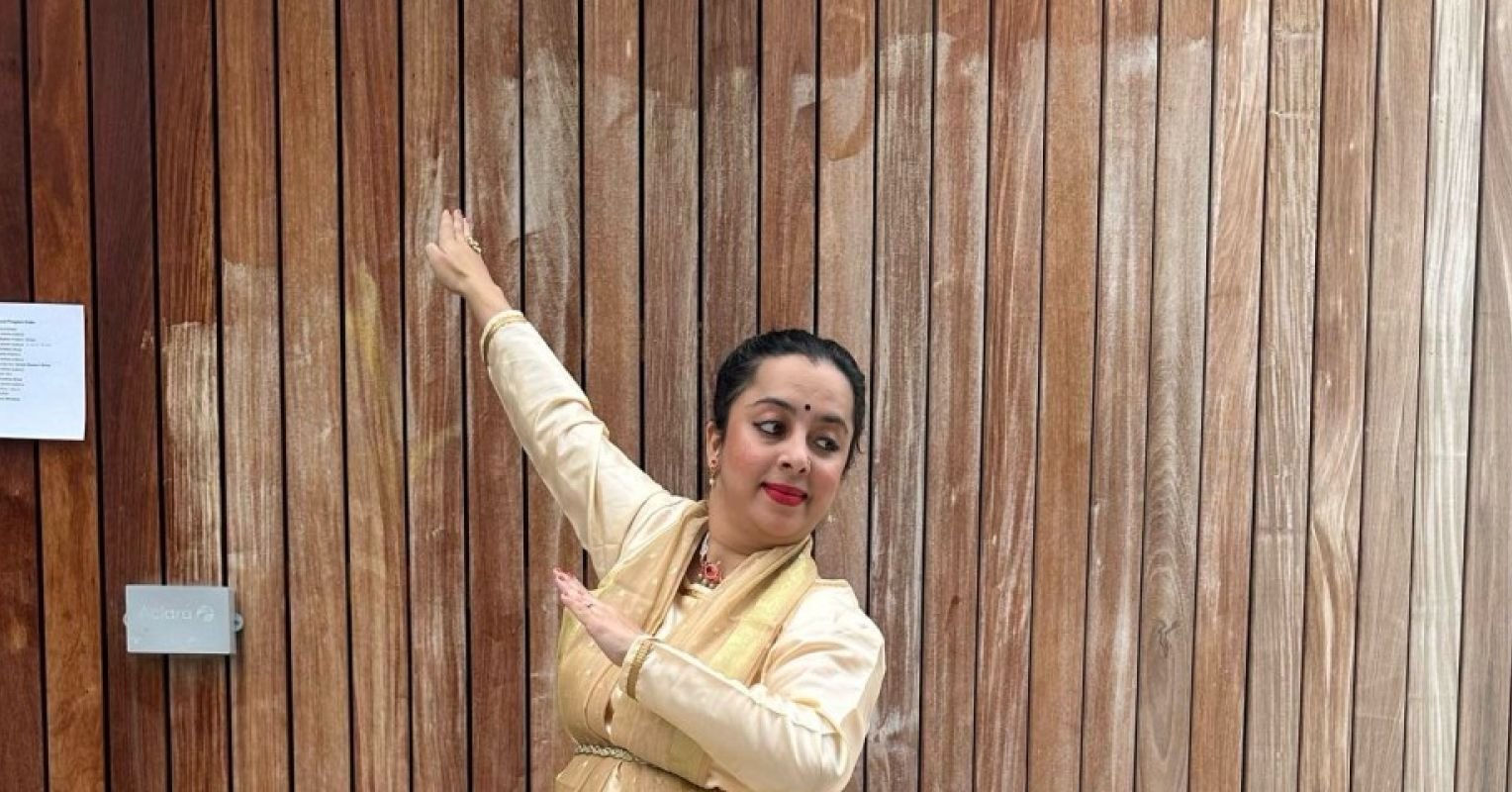
“Finding Order in Disorder: A Bipolar Memoir” narrates the journey of a dancer, educator, and individual. The author, Ishaa Chopra, is currently pursuing an MSc. Thesis in Critical Family and Kinship Studies with a Collaborative Specialization in Gender, Sexualities, and Bodies under Dr. Adam W. J Davies at the University of Guelph in Canada.
She is the founder of the Finding Order in Disorder Foundation, a non-profit organization and arts collective inspired by her memoir. The foundation explores various initiatives such as hybrid podcasts, therapeutic dance, and community engagement for mental well-being.
Chopra has navigated through manic episodes, depressive phases, and experiences of domestic violence.
Following her tumultuous journey, her mother created a film to help make sense of it all, and Chopra penned her memoir.
Reflecting on her experiences, she writes, “When I received my diagnosis, my mother took to filming, documenting, analyzing, and reflecting on our lives. Our relationship took a positive turn when I shared my writing with her, and she began capturing our journey on film. This marked a breakthrough moment in our mutual understanding, realizing that we were in this together and didn’t have to face it alone” (Chopra, 2025).
Through their collaborative creations, they found meaning in their shared struggles. I had the privilege of meeting Chopra and her mother at a conference where their film was showcased, and her book was made available. Both the film and the memoir delved deep into mental health issues, family dynamics, personal growth, and the importance of acceptance that resonated with me and many others.
Bipolar Disorder and Divine Calling
“On one side, there were nurses. On our side were all the patients. And there was a clear distinction between the nurses and patients, even apart from our respective locations. While the segregation there is temporary, it isn’t so outside. It makes me wonder: Is this the madhouse, or is the world outside that is crazy?” (Chopra, 2025).
Chopra’s first encounter with a manic episode occurred at the age of 16. She describes a whirlwind of grandiose ideas, sleepless nights, and a belief that she was chosen to bear God’s child. Instead of being whisked away to Hogwarts as she envisioned, she found herself in a hospital.
Despite the challenges, she eventually recovered. Engaging in community dance classes and cultivating a passion for Latin dance provided her with an outlet that evolved into a lifelong love.
When the Melody Ceased
“Throughout my years of dancing, I never anticipated a moment when I would have to stop. But I did, right after my marriage, which left me shattered.” (Chopra, 2025).
In her early twenties, she entered into an abusive marriage that led to a downward spiral of manic highs, depressive lows, and mixed states typical of bipolar disorder. She embarked on a journey to break free from the toxic relationship, heal from its aftermath, and manage the reawakened symptoms of bipolar disorder.
Although the scars ran deep, Chopra found that dancing, especially with male partners, could at times exacerbate her symptoms, instilling a fear that dance itself could trigger her condition.
Rediscovering the Rhythm
“Dance is akin to meditation, where the dancer transcends worldly thoughts and connects with the universe. The world of a dancer is devoid of labels like ‘normal’ or ‘abnormal’.” (Chopra, 2025).
Chopra’s narrative isn’t just about overcoming mental health challenges; it’s also about embracing self-acceptance. Much like the show’s opening, dance played a pivotal role in her journey. Through a combination of therapy, family support, and reigniting her creative spark, Chopra delved deep into her healing process.
She emphasizes, “Self-love and self-acceptance are paramount to me now. I’ve come to realize that when the world seems against you, the only person truly rooting for you is yourself; and when the world is on your side, the only constant companion you have is, once again, yourself.” (Chopra, 2025).
Essential Reads on Bipolar Disorder
We all strive for self-acceptance. I’m grateful to have delved into Ishaa’s memoir and would highly recommend it to anyone seeking to nurture a deeper connection with themselves.