
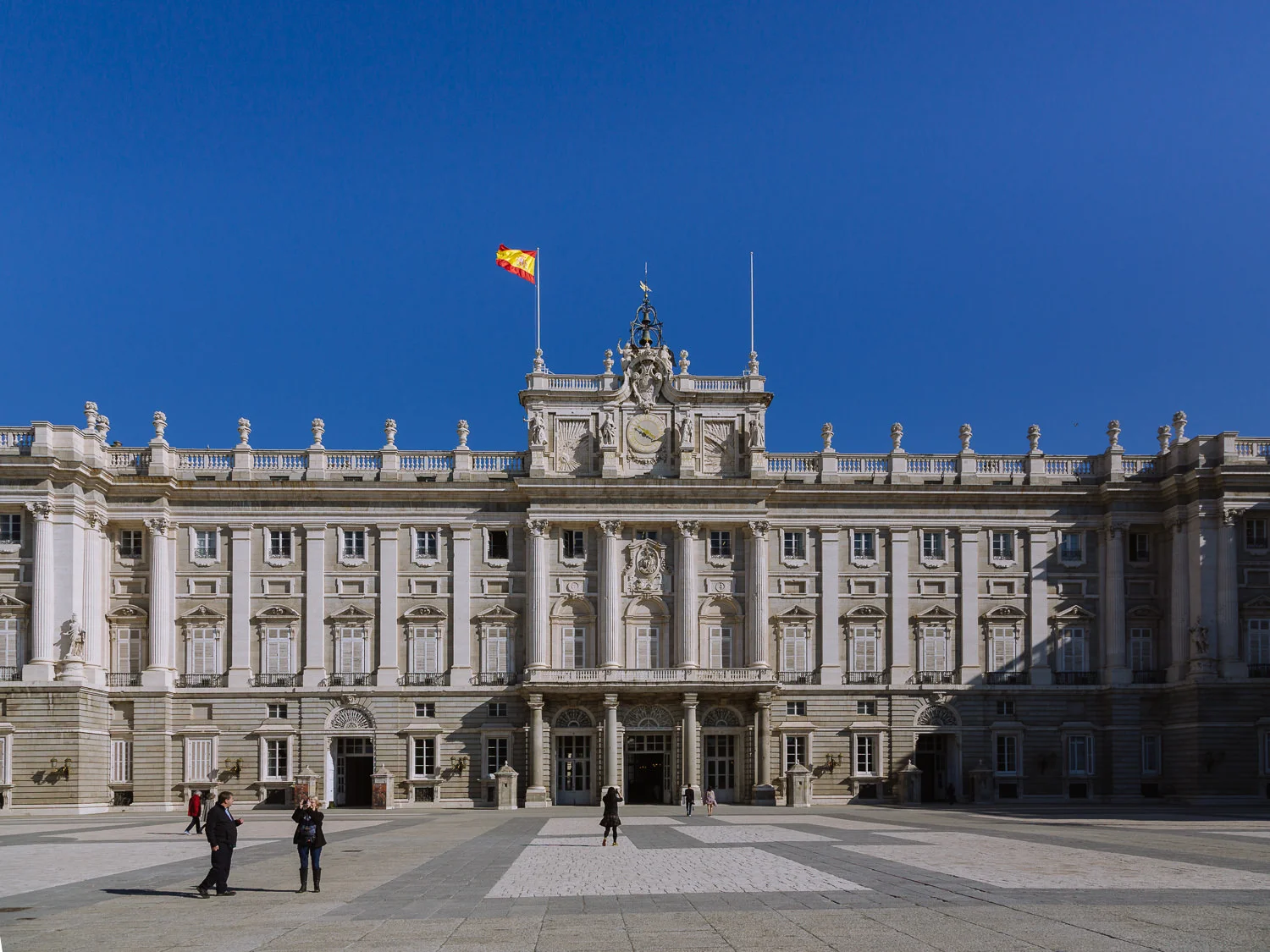
Planning a trip to Madrid? You’re in for a treat. Spain’s capital is one of Europe’s most rewarding cities to visit. This guide covers everything you need to know before you go.
We’ve been to Madrid more times than we can count at this point, and it still surprises us. In a city that doesn’t give everything away at once, there’s always more to explore.
Here you’ll find everything you need to plan your trip: how to get there, how to get around, where to stay, and the best time to visit.
If you’re after inspiration for what to see and do, head to our guide on the best things to do in Madrid.
This post is the practical stuff — the less glamorous side of travel planning that makes the actual trip run smoothly.
How to Get to Madrid
By Air
Madrid is served by Adolfo Suárez Madrid-Barajas Airport (MAD), which is located around 13 km (8 miles) northeast of the city centre.
It’s the main gateway for both international and domestic flights, and virtually all airlines fly into Barajas.
The airport has four terminals: T1, T2, T3 and T4. Most long-haul and intercontinental flights use T4, while T1, T2 and T3 handle many European routes.
A free shuttle bus connects all terminals around the clock, so if you arrive at a different terminal from the one your onward connection departs from, it’s easy to get between them.
From the UK: There are direct flights from London Gatwick, London Luton, Bristol, Edinburgh and other regional airports. Flight time is around two and a half hours.
From North America: Several airlines offer nonstop service from New York, Chicago, Miami, and other major hubs. From New York, the flight is roughly eight hours.


Getting to Madrid from the Airport
You have four main options for getting from the airport to the city centre.
Metro (Line 8)
This is the fastest and most straightforward option during the day. Line 8 (the pink line) runs directly from the airport to Nuevos Ministerios station in the city centre in around 15–20 minutes.
Be aware there’s an airport supplement on top of the standard fare, making a single journey around €3–5. The metro runs from 6:00 am to 1:30 am.
Cercanías Train (Renfe)
This is the cheapest option at around €2.60 for a single ticket. Trains run only from T4, so if you are arriving at a different terminal, you’ll have to take the free shuttle to T4.
Trains take approximately 25–30 minutes to Atocha station and 15–18 minutes to Chamartín. Frequency is every 15–30 minutes. Note that the Cercanías doesn’t run at night.
Airport Express Bus (Line 203)
The Airport Express Bus is a reliable alternative, especially if you’re arriving late at night, as it runs 24 hours a day.
The bright yellow bus connects the airport to Cibeles and Atocha, taking around 30–40 minutes depending on traffic. A single ticket costs €5. Between 11:30 pm and 6:00 am, the bus terminates at Cibeles rather than Atocha.
Taxi
A taxi is convenient if you have lots of luggage or are travelling in a group. Taxis from the airport have a flat fixed fare of €33 to any destination inside the M-30 ring road (which covers the vast majority of the city centre).
The journey takes around 20–30 minutes. Madrid taxis are white with a red diagonal stripe and are metered for all journeys within the city, except for the airport fixed fare.
Our Recommendation
The Metro is the quickest and easiest option. But if you’re arriving late at night, the Airport Express Bus is the most practical option. If you’re a group of three or four, splitting a taxi at €33 is excellent value.


By Train
If you’re travelling to Madrid from elsewhere in Spain, the train is often the best option.
Spain’s high-speed rail network, operated primarily by RENFE, is one of the most extensive in Europe.
The flagship AVE (Alta Velocidad Española) trains travel at up to 300 km/h, making journey times impressively short.
Budget carrier Ouigo also operates on several of these routes at lower fares, as does Iryo, a private competitor on the Madrid–Barcelona and Madrid–Valencia routes.
Key journey times from Madrid:
- Barcelona → approximately 2.5–3 hours
- Seville → approximately 2.5 hours
- Valencia → approximately 1.5–2 hours
- Málaga → approximately 2.5 hours
- Bilbao → approximately 4.5 hours
Most high-speed trains arrive at Madrid Atocha station, just south of the city centre and well connected to the Metro and city bus network. Some services also use Chamartín station in the north of the city.
Booking in advance is strongly recommended for AVE trains, as prices increase significantly as the travel date approaches. RENFE tickets can be booked through the official renfe.com website or via Trainline.

Getting Around Madrid
Madrid is a very walkable city, and many of the main attractions that we covered in our Things to Do in Madrid blog post are within comfortable walking distance of one another.
For longer distances, the public transport network is excellent.
The Metro
Madrid’s metro system is modern, clean and easy to navigate. There are 15 lines covering the entire city. Most tourist areas fall within Zone A, which is the core zone covering the city centre.
For visitors, the easiest option is the Tourist Travel Pass (Abono Turístico), which gives you unlimited travel on the Metro, EMT city buses, light rail, and Cercanías commuter trains for a set number of days (1, 2, 3, 4, 5 or 7 days are available).
It comes in two versions: Zone A for central Madrid, and Zone T for the entire region, including the airport and outlying towns.
The Tourist Travel Pass can be purchased at all Metro stations.
If you prefer pay-as-you-go, you’ll need a Tarjeta Multi (a reloadable contactless smartcard, costing €2.50 at metro station machines), which you load with single tickets or a 10-trip ticket. The card can be shared between multiple people.
The metro runs from 6:00 am to 1:30 am daily.
Late nights, loud markets and the best jamón of our lives. Dive into all our Spain posts.
Spain

City Buses (Emt)
Madrid has an extensive city bus network that’s particularly useful for reaching areas not well served by the metro, and for sightseeing as you travel.
Buses run from early morning until around 11:30 pm, with night buses (Búhos) running after midnight. A single bus fare is €1.50 when you pay by contactless card directly on the bus.
Cercanías (Suburban Trains)
The RENFE Cercanías network connects Madrid with surrounding towns and is also useful within the city for some routes. If you’re planning day trips to places like El Escorial or Aranjuez, Cercanías is your go-to service.
Taxis & Ride-Sharing
Taxis are plentiful and reasonably priced compared to other European capitals. They’re white with a red stripe and easy to hail on the street. You can also book a taxi via the Free Now App (formerly MyTaxi), which allows you to book a licensed taxi without using cash.
The base fare starts at €2.55 during the day and €3.20 at night and on weekends. A typical journey within the city centre will cost €7–€15.
Both Uber and Cabify also operate in Madrid with competitive pricing.
Walking
Madrid’s city centre is compact and highly walkable; strolling around is genuinely one of the best ways to discover the city.
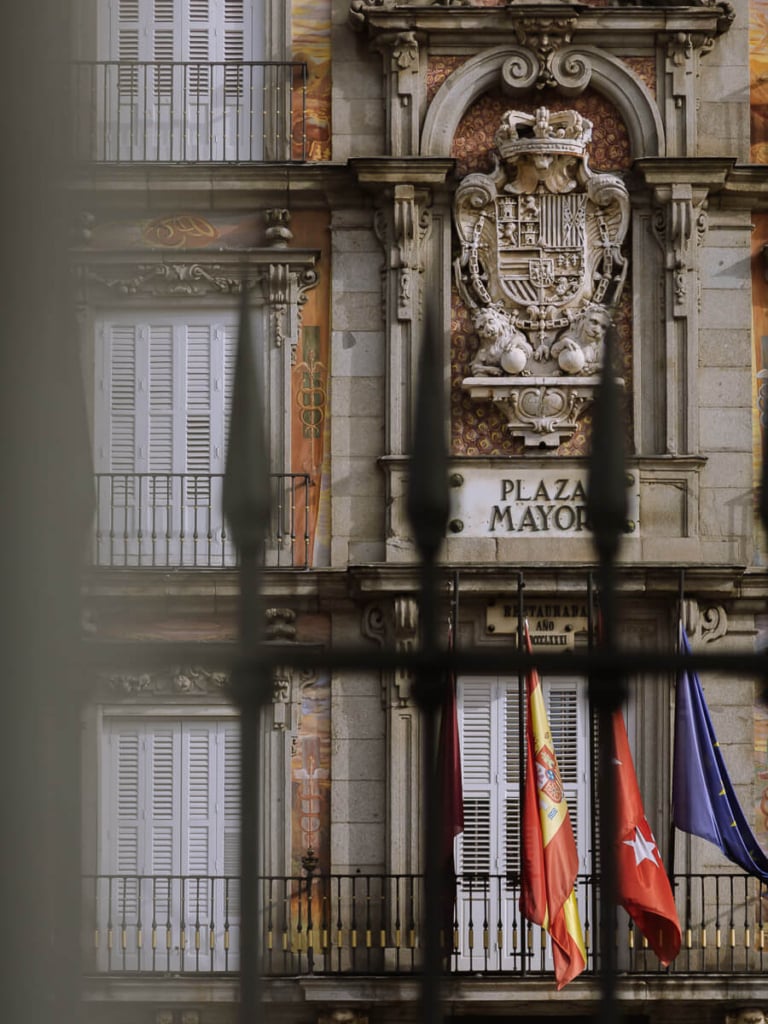
The area around the Royal Palace, Plaza Mayor, Gran Vía, Malasaña, and Chueca is all walkable, and wandering without a plan is the best way to find the best local spots.

Where to Stay in Madrid?
We have a whole guide to where to stay in Madrid, including all our hotel recommendations, but here is a rundown of the main areas.
Sol & Centro is the heart of the city. If it’s your first visit and you want to be close to everything, staying here makes practical sense. Just be aware that prices tend to be higher.
Malasaña is our personal favourite area of Madrid. Bohemian, lived-in, full of independent cafés, restaurants and bars, it has a genuine local energy.
Chueca is lively, diverse and excellent for nightlife. It has great restaurants and a fantastic atmosphere, particularly in the evenings.
Las Letras / Barrio de las Letras is good for a quieter location while still being central. It’s close to the Golden Triangle of museums and sits between Sol and the Prado.


How Many Days in Madrid?
We recommend spending 3-4 days in Madrid to get a good taste of the city’s culture, history, and food.
This will allow enough time to visit some of the main attractions, such as the Prado Museum, Retiro Park, and the Royal Palace, and to enjoy local food and nightlife.
If you have more time, you can explore the city’s different neighbourhoods, visit more museums, or take day trips to nearby towns and cities.
Minimum: 2 days. This gives you enough time to see the major landmarks, including the Royal Palace, the Prado, and the Plaza Mayor, and to spend time in a couple of neighbourhoods and eat well.
Ideal: 3–4 days. With three or four days, you can explore the art museums properly, spend a morning in Retiro Park, and wander a little longer around Malasaña.
With day trips: 5–7 days. Madrid is an excellent base for day trips. Toledo (1 hour), Segovia (30 minutes by AVE), El Escorial (1 hour by Cercanías) and Aranjuez are all very achievable if you have up to a week.
One practical note: Madrid operates on a later schedule than most European cities. Lunch is typically between 2 and 4 pm, and dinner is rarely before 9 pm. We suggest you factor this into your plans. If you try to have dinner at 7 pm, you’ll be eating alone.


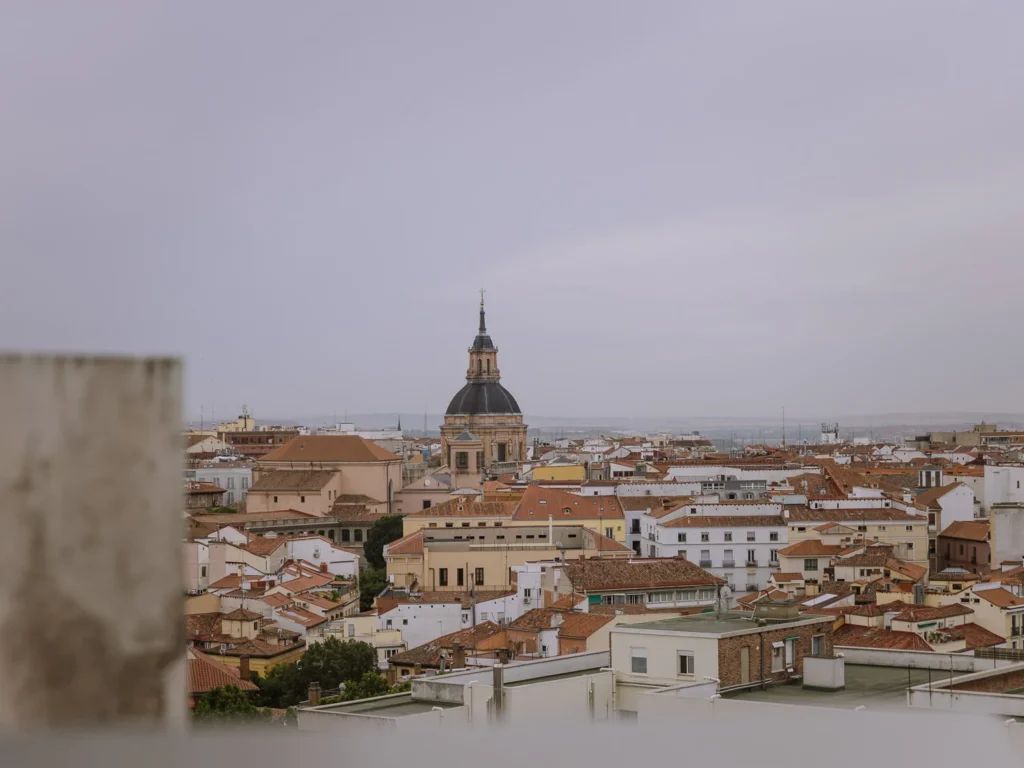
Best Time to Visit Madrid
Madrid is a year-round destination, but the time of year does make a difference to your experience.
Spring (March–May) ★ Our Top Pick
Spring is probably our favourite time to be in Madrid.
Temperatures are mild (15–22°C), the parks are looking lovely, and the city hasn’t yet been overtaken by summer crowds.
May is particularly good with the San Isidro Festival (the city’s biggest annual fiesta, mid-May), adding to the energy. April can bring some rain, but it rarely lasts long.
Summer (June–August)
Summer in Madrid is hot. July and August regularly hit 35–38°C, and the city sits at 650 metres above sea level, giving it an intense, dry heat quite different from coastal Spain.
Many locals leave in August (smart), but tourist numbers are at their peak, and hotel prices follow.
Having said that, the Noches del Botánico outdoor concerts in July are a highlight, and Madrid Pride in late June is one of Europe’s biggest parties.
Autumn (September–October)
September and October are also great months to visit. The fierce summer heat has eased; temperatures have settled into a comfortable 18–22°C range.
The queues at major attractions will be noticeably shorter. October in particular has a wonderful atmosphere — the city feels like itself again after the summer.
Winter (November–February)
Winter is Madrid’s most underrated season for visitors. Temperatures are cool but not too bad (5–12°C), and it’s usually dry and sunny.
January and February will allow you to snag the lowest hotel prices, and the queues will be the shortest at the art galleries.


Eating in Madrid
Madrid could easily be one of our favourite cities in Europe for food.
Despite being landlocked, it has exceptional seafood. The Mercamadrid wholesale market is the second-largest fish market in the world after Tokyo.
What to Eat
- Bocadillo de calamares — Madrid’s iconic street food. Fried squid in a crusty bread roll, best eaten with a cold beer.
- Cocido Madrileño — A hearty chickpea stew with chorizo, morcilla, chicken and pork, served in three courses: broth first, then chickpeas and vegetables, then the meat.
- Patatas bravas — Fried potatoes with a spicy sauce. A staple in every tapas bar in the city, but quality varies wildly.
- Huevos Rotos — fried eggs broken over crispy chips, often with jamón or chorizo. It’s better than we’ve made it sound!
- Tortilla Española — the Spanish egg and potato omelette. Sounds basic, done well, it’s one of the best things you’ll eat in Madrid.
The one thing we’d suggest you avoid in Madrid is paella. It’s a Valencian dish and best saved for a trip to Valencia.

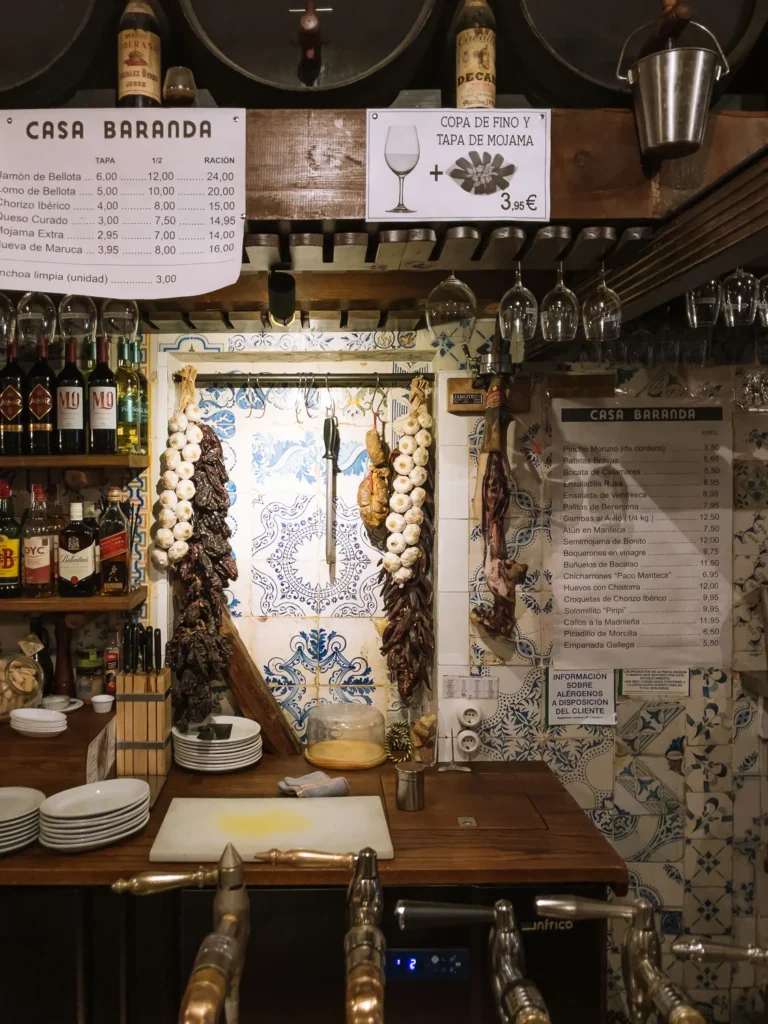
Where to Eat
Restaurante Sobrino de Botín is the world’s oldest restaurant, certified by the Guinness World Records. It opened in 1725 and the house speciality is roast suckling pig cooked in the original wood-fired oven.
La Latina and Calle de la Cava Baja are the best streets for tapas bar hopping. The whole street is lined with bars and restaurants, and it’s easy to spend an entire evening working your way along it.
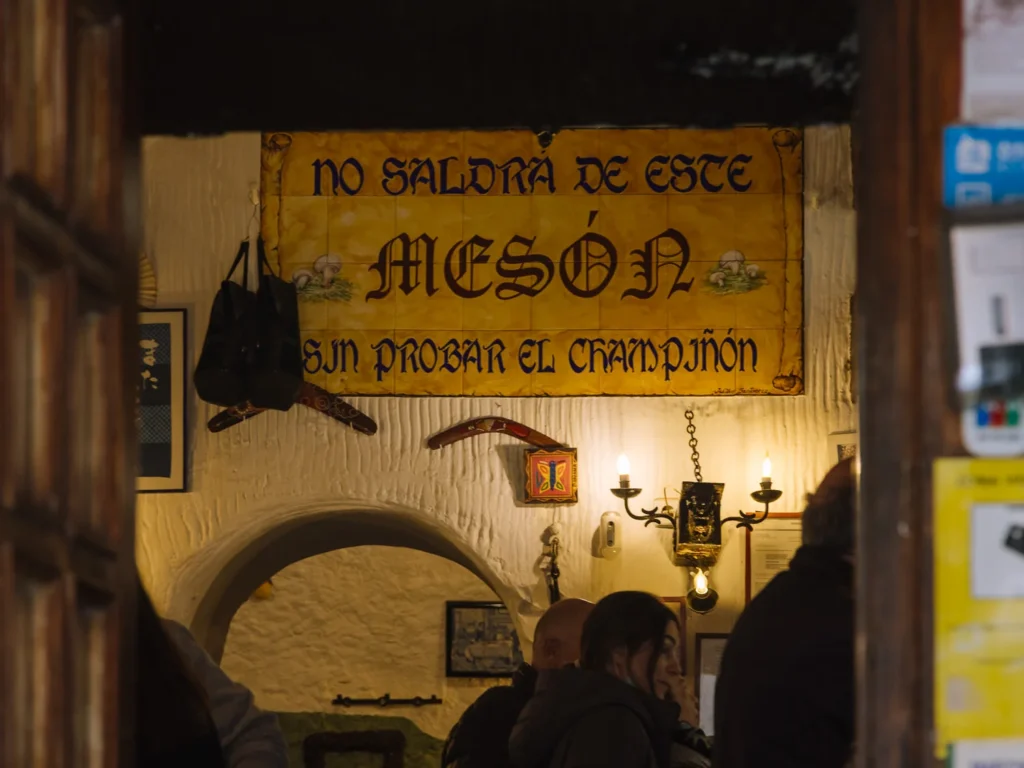
Mesón del Champiñón in the old town is worth a stop, specifically for the chorizo-stuffed mushrooms.
Casa Labra, near Sol, is famous for its bacalao (salt cod) fritters, which are crispy on the outside, soft and salty inside.
Eating Hours
- Breakfast — 8 am to 10 am, usually coffee and a pastry or toast
- Lunch — 2 pm to 4 pm, the main meal of the day
- Merienda — a late afternoon snack around 6 pm, often a coffee and something sweet
- Dinner — from 9 pm; arriving before 8:30 pm means you’ll likely be eating alone
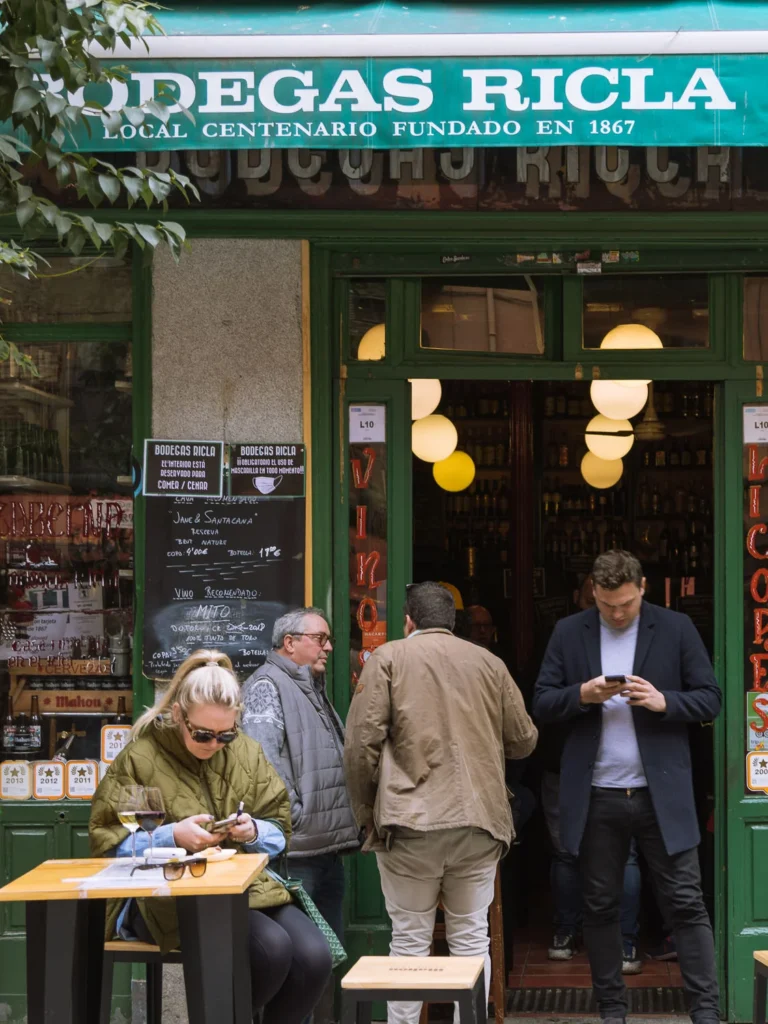

Practical Tips Before You Go
Language — Spanish is the language of Madrid. English is spoken in most hotels, tourist attractions and larger restaurants, but don’t assume you’ll get any English in smaller neighbourhood cafés and bars. A few words of Spanish go a long way and are always appreciated.
Currency — Spain uses the Euro (€). Card payment is widely accepted across the city.
Tipping — Tipping is not obligatory in Spain, and locals typically leave small amounts (rounding up the bill, or leaving €1–2 for good service). You won’t be judged for not tipping, but it’s always appreciated in smaller, neighbourhood spots.
Safety — Madrid is a safe city by European standards. The usual urban precautions apply, so be aware of your belongings in crowded areas and on the Metro.
Dining Hours — Adjust your expectations. Breakfast is light, lunch is the main meal (2–4 pm), and dinner rarely happens before 9–10 pm.
Siesta – Many smaller shops still close for a few hours in the afternoon

More Spain Guides

Anywhere We Roam is
reader-supported