
Tesla’s Latest Affordable Models Fail to Boost Sales
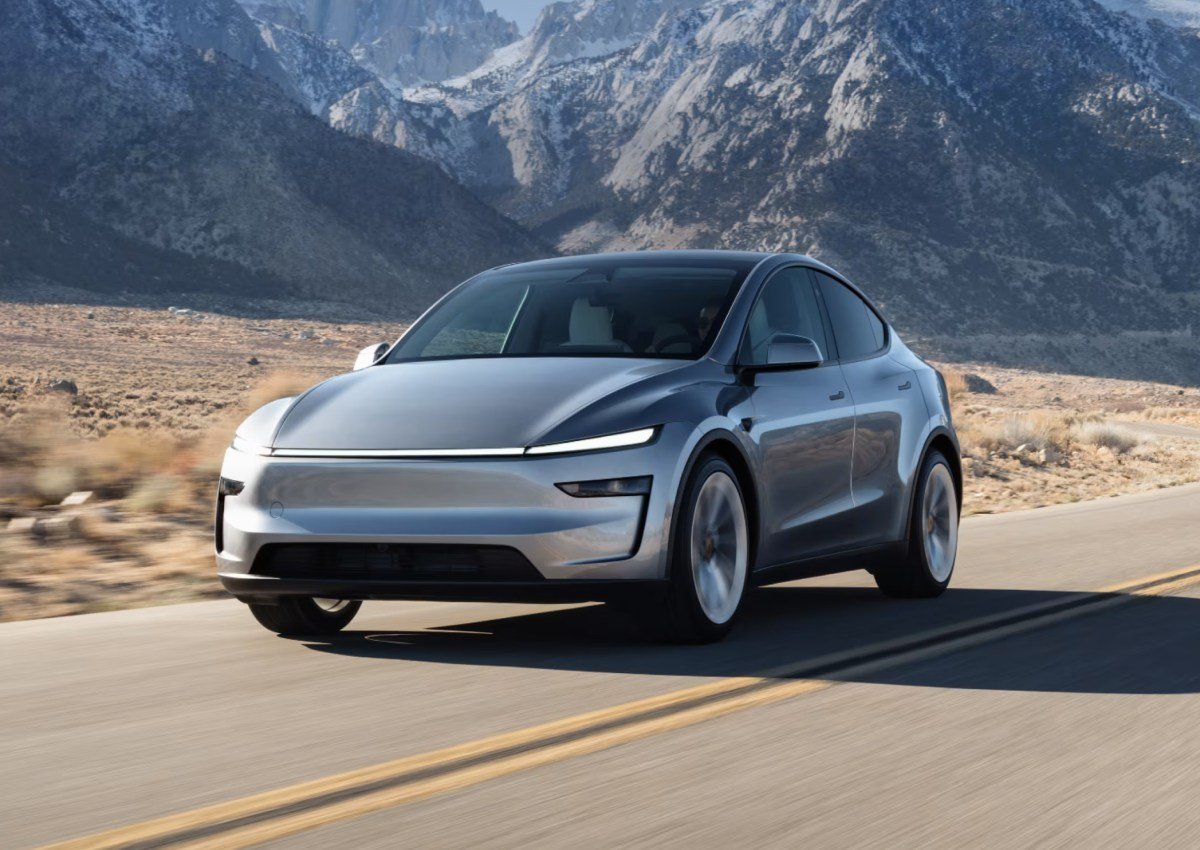
Tesla had been hyping up the release of more affordable electric vehicles for over a year, with the stripped-down versions of the Model Y and Model 3 finally hitting the market in October. However, the latest sales figures for the first quarter of this year show that these new models have not made a significant impact on Tesla’s overall sales performance.
In the first three months of the year, Tesla reported global deliveries of 358,023 electric vehicles, falling short of analysts’ expectations of around 368,000. Despite producing a total of 408,386 vehicles, the company struggled to match sales with production.
Compared to the first quarter of 2025, which was a challenging period for Tesla due to production line disruptions, the company only managed to deliver approximately 6% more cars in the same timeframe this year. This stagnant growth raises concerns about Tesla’s ability to meet its ambitious sales targets and avoid a third consecutive year of declining overall sales.
While Tesla is facing challenges in boosting EV sales, it is not alone in this struggle. Legacy automakers in the United States have scaled back their EV plans, and newcomers like Rivian are also facing difficulties in ramping up sales. Rivian recently announced modest first-quarter delivery figures, highlighting the tough competition in the EV market.
Unlike Rivian, Tesla does not have a new mass-market vehicle in the pipeline. The company shelved plans for a lower-cost EV to focus on the CyberCab project, leading to the release of the stripped-down Model Y and Model 3. With the Cybertruck being the only new model introduced by Tesla in recent years, the company is banking on its success to drive sales.
Techcrunch event
San Francisco, CA
|
October 13-15, 2026
In the EV truck segment, the Cybertruck has struggled to meet expectations, despite outselling most competitors. Tesla’s sales of “other models,” including the Cybertruck and the discontinued Model S and Model X, were disappointing in the first quarter of this year, further highlighting the challenges the company is facing in the EV market.