
The Rise of Non-UPF Verified Foods: A New Certification in the Food Industry
In Anaheim, California, the discussion around ultra-processed foods (UPFs) has shifted from a consumer concern to industry action with the introduction of a new certification that identifies certain consumer packaged goods (CPGs) as Non-UPF Verified.
While there is no official definition yet for what qualifies as an ultra-processed food or beverage, organizations like the Food Integrity Collective/Non-GMO Project have set guidelines to narrow down the parameters. These guidelines focus on limiting added sugars, scrutinizing ingredients for permissibility, and evaluating processing methods. Products that meet these criteria earn the Non-UPF Verified seal.
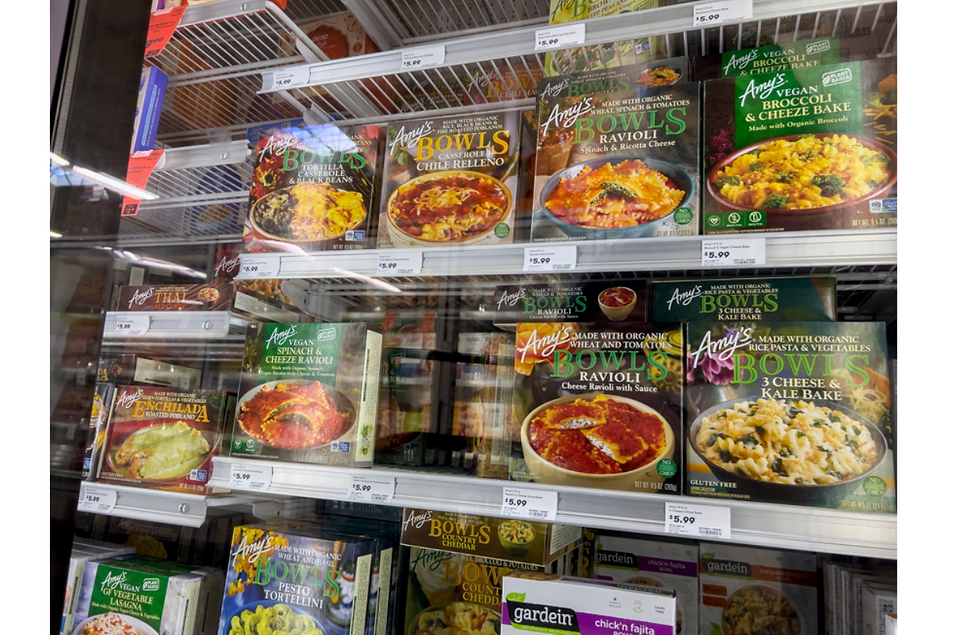
Leading brands such as Spindrift, Simple Mills, and Amy’s Kitchen have already achieved Non-UPF Verified status for some of their products. Amy’s Kitchen, known for its range of frozen entrees, pizzas, and burritos, currently has 37 Non-UPF Verified products in its portfolio.
The Transformation of Mac and Cheese Production
At a recent panel discussion during the Natural Products Expo West trade show, Paul Schiefer, president of Amy’s Kitchen, highlighted the role of manufacturing facilities in determining a product’s UPF or non-UPF status.
Schiefer shared the story of how Amy’s Kitchen revamped a macaroni and cheese processing plant acquired from a traditional CPG company to align with their standards. The plant, originally focused on high-volume machine processing, underwent significant changes to prioritize scratch cooking and organic ingredients.
Amy’s frozen macaroni and cheese meals are not yet Non-UPF Verified, but they hold certifications for being organic and non-GMO. Schiefer revealed plans to have 100 more products certified as Non-UPF Verified by the end of March, potentially including their macaroni and cheese entrees.
By expanding the kitchen space and introducing traditional cooking techniques, Amy’s Kitchen transformed the production process. Instead of relying on powders and refined oils, the company now uses organic ingredients like butter and flour to create sauces from scratch.
Schiefer emphasized the importance of hands-on cooking and tasting during production, a stark contrast to the previous automated processes. He stressed the need for CPG companies to rethink not only their ingredients but also the methods used in making their products.
As the industry shifts towards cleaner and more transparent food production, Schiefer hopes that brands will embrace this opportunity for positive change. By prioritizing quality and authenticity, companies can differentiate themselves and contribute to a healthier food system.
This move towards Non-UPF Verified foods signals a shift in consumer preferences and industry standards, encouraging a more mindful approach to food production and ingredient sourcing. As more brands adopt these certifications, the food landscape is set to evolve towards greater transparency and quality.