
The utilization of gardens and flowers as a sanctuary for meditation and prayer is a practice that has been observed since ancient times. The concept of seeking solace and spiritual connection in a garden dates back to biblical references, such as the Garden of Gethsemane where Jesus sought solace during challenging times in his life.
While the act of meditating in a garden has been a longstanding tradition, the term “meditation” in the context of gardens is a more contemporary idea. In modern times, there is a growing recognition of the profound impact that flowers and gardens can have on our mindfulness and overall well-being.
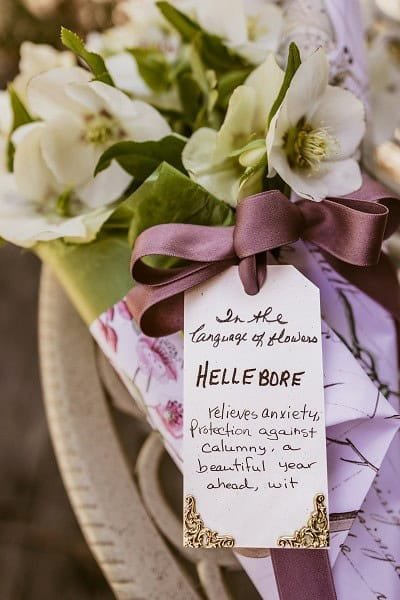
The integration of faith and resilience through floriography gardens is a powerful practice. The act of sending messages of hope and encouragement through flowers can uplift the spirits of loved ones in need. Each flower in a garden carries its own symbolic meaning, offering messages of faith, strength, peace, and protection.
Creating a garden that fosters quietness and inner peace can have a transformative effect on mental and physical well-being. By immersing oneself in a serene garden space, one can find inspiration in nature’s beauty and symbolism, leading to a sense of renewal and clarity.
The design of a prayer and meditation sentiment garden is aimed at enhancing the meditative experience through a harmonious blend of colors and textures. By aligning with the seasonal variations and symbolic meanings of different flowers, one can create a garden that promotes spiritual awareness and tranquility.
In our pursuit of perfection, we often stray from nature’s harmony. A meditation and prayer garden serves as a reminder to reconnect with nature and find solace in its peaceful embrace. By cultivating spaces that convey messages of peace and reflection, we allow ourselves to be enveloped in solitude and serenity.
The practice of floriography, the language of flowers, offers a unique way to communicate sentiments and emotions through floral arrangements. Each flower carries a specific meaning, making them powerful tools for conveying messages of love, hope, and resilience.
In conclusion, integrating gardens and flowers into our daily lives can have a profound impact on our well-being. By creating spaces that inspire reflection and meditation, we can cultivate a sense of peace and spiritual awareness. Through the language of flowers, we can convey messages of faith, strength, and hope to ourselves and others.