
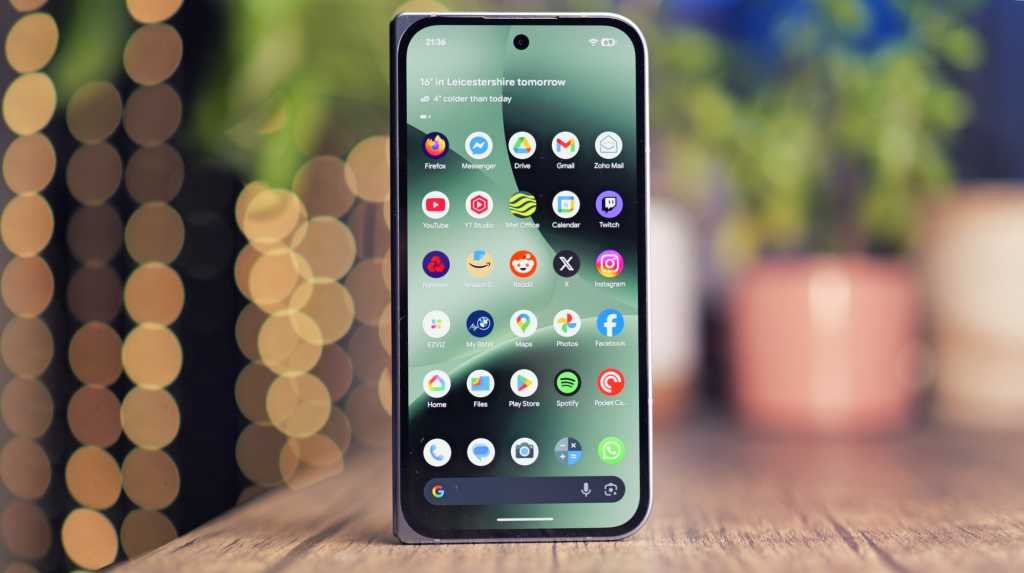
Since its inception nearly twenty years ago, Android continues to face a significant challenge. Despite the availability of the latest version, Android 16, on supported Google Pixel phones and other top devices, the update rollout to older handsets remains slow.
Recent distribution figures highlight this issue, with only 7.5 percent of all Android devices currently running on Android 16, despite its launch in June of the previous year. This marks an improvement from April 2025 when Android 15 was only present on 4.5 percent of devices, largely due to the delayed rollout of Samsung’s Android 15 skin, One UI 7, to older Galaxy phones.
While the adoption rate has increased, it still lags far behind iOS, with close to 30 percent of supported iPhone devices running on iOS 26. This disparity underscores the challenges of a fragmented Android ecosystem compared to Apple’s unified hardware and software approach.
Android 17 is on the Horizon – Does Anyone Care?
Anticipation is building for the next major Android release, likely named Android 17. However, the excitement is tempered by the reality that only a fraction of Android users will benefit from new features immediately. Pixel owners, like myself with the Pixel 10 Pro XL, are typically first in line for updates, while others may have to wait months or even years to receive the latest version.
This disparity in update timelines highlights a key issue – the lack of widespread access to new Android features for the majority of users. Features exclusive to Pixel phones, such as Call Screening and Now Playing, remain out of reach for many Android users, impacting their overall experience.
The Challenge of Unsupported Devices
Another concern highlighted by recent data is the significant fragmentation within the Android user base. With over 10 percent of devices still running on older versions dating back to Android 11, there is a risk of millions of users operating on unsupported phones.
Using an unsupported phone poses security risks, as these devices lack crucial updates and patches to protect against vulnerabilities. To safeguard personal data and privacy, it is essential to ensure that your device receives regular updates or consider upgrading to a supported handset.
As development for Android 17 progresses, the issue of unsupported devices remains a challenge. While it may be challenging to ensure the security of all 3.9 billion Android users, prioritizing device safety over the latest updates is crucial.
When Android 17 eventually launches, the response may be lukewarm for many users still waiting for Android 16. The focus should always be on ensuring a safe and functional device rather than chasing the latest version.