
The film “28 Years Later: The Bone Temple” takes a unique approach to the zombie genre, focusing on cult dynamics rather than traditional zombie tropes. Released in 2002, the original film “28 Days Later” set the tone for the franchise with its gritty, lo-fi feel achieved through shooting on digital video cameras. This approach made the apocalyptic setting feel urgent and real, resonating with audiences and leading to a successful box office performance.
The sequel, “28 Weeks Later,” took a different direction with a new cast and crew, leaning more towards action film territory. However, “28 Years Later” brought back the original director and screenwriter, showcasing the creative potential of the franchise. The latest installment, “28 Years Later: The Bone Temple,” directed by Nia DaCosta, maintains the unpredictability and emotional depth of its predecessors.
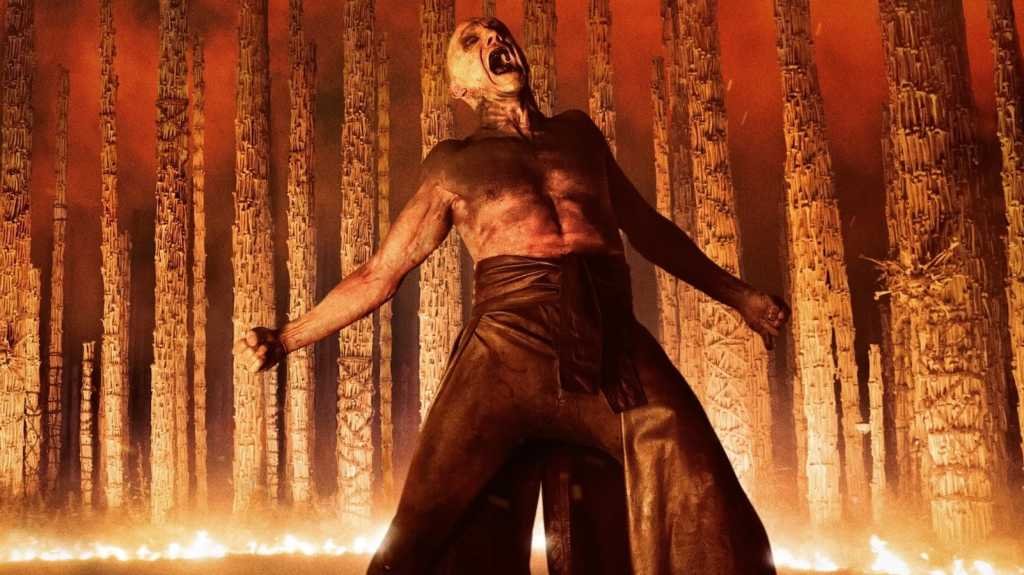
The film follows Jimmy Crystal, the leader of a cult who believes he is the son of Satan. When Crystal discovers the bone temple, he enlists the help of Dr. Kelson to convince his followers of his divine lineage. In a surprising turn of events, Kelson stages a musical performance of Iron Maiden’s “The Number of the Beast” to prove his supposed identity as Satan.
This unexpected musical climax is a standout moment in the franchise, showcasing bold storytelling that prioritizes emotional depth over traditional horror elements. Ralph Fiennes delivers a mesmerizing performance as Kelson, embodying the demonic persona with a level of brilliance that captivates viewers. The scene is a testament to the film’s daring nature and the series’ reputation for unexpected twists.
Overall, “28 Years Later: The Bone Temple” stands out as a bold and unconventional addition to the franchise, exemplifying the unexpected and emotionally resonant storytelling that has defined the series since its inception.