
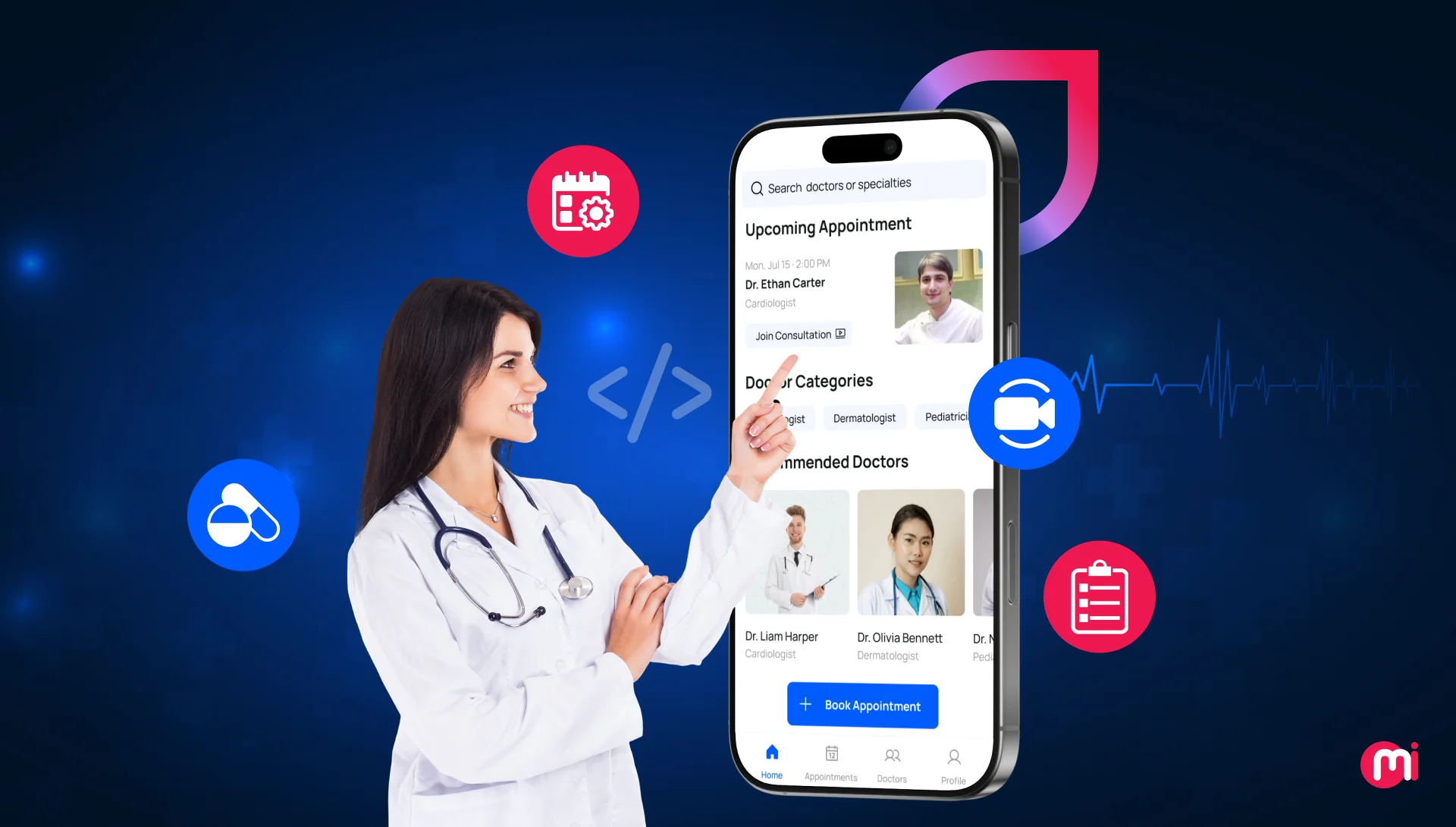
Developing a doctor appointment app is essential in today’s digital age to streamline the process of booking appointments with healthcare providers. The traditional methods of scheduling appointments over the phone or online can be time-consuming and frustrating for patients. This is where modern doctor appointment app development solutions come into play, making it easier for patients to book appointments with just a few taps on their smartphones.
In this comprehensive guide, we will dive into the world of doctor appointment app development and explore everything you need to know about creating a successful app in this space. With the right mobile app development services, building a doctor appointment app can revolutionize the way patients interact with healthcare providers, leading to improved patient satisfaction and streamlined appointment scheduling processes.
The global market for medical scheduling software is growing rapidly, with projections indicating a significant increase in market size by 2033. This growth underscores the importance of leveraging technology to enhance the patient experience and optimize clinic operations. By investing in a doctor appointment app, healthcare providers can not only better manage their schedules but also provide a more convenient and efficient experience for their patients.
There are different types of doctor appointment apps that cater to various needs and preferences. These include single-clinic appointment apps, multi-clinic or marketplace appointment apps, telemedicine apps, and corporate or insurance-integrated appointment apps. Each type offers unique features and benefits for both patients and healthcare providers.
Doctor appointment apps offer a range of benefits for patients, including 24/7 accessibility, transparent doctor selection, and integrated health management. For healthcare providers, these apps provide automated scheduling, reduced admin workload, and centralized patient data management. By leveraging data-driven insights and reporting, clinics can optimize their operations and improve patient relationships.
Key features to include in a doctor appointment app include appointment booking and calendar view, personal profiles with medical history, doctor search and filtering, in-app chat and video consultation, secure online payments, and push notifications. These features enhance the user experience and streamline the appointment scheduling process for both patients and healthcare providers.
The development process for a doctor appointment app involves several steps, including discovery and planning, UI/UX design, MVP development, testing and quality assurance, launch, monitoring, and continuous improvement. By following these steps and ensuring compliance with regulatory requirements such as HIPAA and GDPR, healthcare providers can create a secure and user-friendly app that meets the needs of patients and providers alike.
Challenges in building a doctor appointment app include real-time scheduling conflicts, integration with legacy healthcare systems, regulatory and security complexity, and maintaining performance and reliability at scale. By addressing these challenges proactively and working with experienced app development partners, healthcare providers can overcome obstacles and create a successful doctor appointment app.
In conclusion, building a doctor appointment app is a strategic investment for healthcare providers looking to enhance patient experience, streamline operations, and improve overall efficiency. By leveraging the latest technology and industry best practices, clinics can create a user-friendly and secure app that meets the needs of modern patients. Whether you are developing a single-clinic app or a multi-clinic network, partnering with experienced healthcare app development services can help you bring your vision to life and achieve success in the competitive healthcare market.