
48
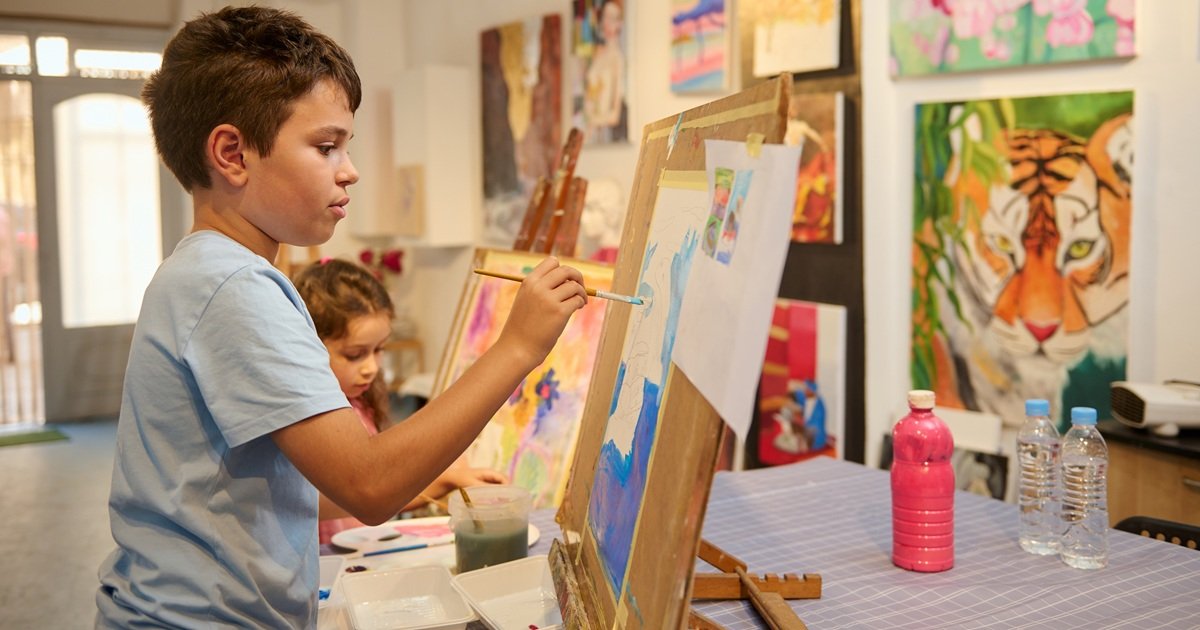
Elementary art projects fit naturally into core subjects — not just art classes — by giving students a different way to explore and make sense of what they’re learning. Plus, art pushes students to find multiple solutions, while also helping teachers differentiate instruction, so every learner can access and express their understanding. By connecting with visual, kinesthetic, and hands-on learners, these projects create opportunities for all students to feel like superstars.
Grab-and-Go Elementary Art Projects
Art projects for elementary students don’t have to take over your whole day to make an impact. These grab-and-go activities are designed to be completed in a single class period (or even less), making them perfect for tight schedules without sacrificing creativity. In addition to making them a lesson, you can fit these art experiences into brain breaks and fast finisher activities.
- Reveal Sticker Resist Art: Place stickers on paper, color over the surface, then peel them away to uncover the shapes and patterns underneath.
- Transform Scribble Art: Start with a random scribble, then rework the lines with crayons to discover and build a recognizable shape or image.
- Create a Negative Image: Flip the idea of positive and negative space by having students draw an image and fill in the background rather than the object.
More Complex Multi-Day Art Project Ideas
Dive deeper with elementary art projects that unfold over multiple days. This gives students time to plan and truly develop their ideas. These extended projects support the National Core Arts Standards by encouraging creating, responding, and connecting, while also building persistence and critical thinking. Even general education teachers can easily integrate them into core subjects, using projects like flipbooks to model math concepts or layered peek-through art to reinforce vocabulary.
- Build Peek-Through Layers: Stack and cut layers of paper to create windows, then design each layer so that hidden details are revealed when you look through or lift the top pieces.
- Design a Story Through Layers: Using construction paper, markers, and crayons, students build their artwork a little at a time as they read an ELA text. For example, they add characters, setting, and theme symbols to create an intricate relief project.
- Design Day-to-Night Art: Create a single scene split into two parts, showing the same subject in daylight on one side and transforming it into a nighttime version with changes in color, lighting, and details on the other.
- Create a Shape-Within-a-Shape Illusion: Build a larger drawing using simple shapes, then fill each shape with tiny, detailed mini-scenes that blend together to form one image when viewed from a distance but reveal hidden stories up close.
Reimagine the sky
Projected Time: 4 days
Skills: drawing, composition, color choice
Additional Materials: 9”x12” drawing paper, pencils, black permanent markers, crayons, colored pencils, and/or washable markers
Step into a swirling sky of color and motion as students explore the magic behind Starry Night. First, they’ll uncover the story of Vincent van Gogh while experimenting with light, color, and movement. Then they can turn inspiration into creation as they craft a masterpiece of their own.

Vincent van Gogh PowerPoint and Art Project – Starry Night Movement Art Lessons
By All About Art
Grades: 4th-6th
Students explore Vincent Van Gogh’s life and artwork through an engaging slideshow before diving into a guided Starry Night-inspired lesson that builds understanding of artistic expression. With teacher directions, student handouts, posters, and assessments included, everything is organized from start to finish.
Art Projects for Grades K-2nd
Art isn’t just for art class! Hands-on creativity can transform learning for lower elementary students. Incorporating elementary art projects builds fine motor skills, strengthens focus, and helps young learners express ideas that they may not yet have the words to explain.
- Unfold Surprise Prints: Drop a blob of paint onto paper, then fold and press it to spread the color into unexpected shapes. When they open it back up, they reveal a one-of-a-kind design that can turn into anything from abstract art to a creature or scene.
- Build a Mystery Texture Monster: Layer unexpected materials like bubble wrap, foil, fabric, and cotton onto paper to construct a creature, then add drawn features to transform textures into eyes, scales, fur, or spikes, creating a monster full of surprises.
- Create a Shape Shifter Collage: Start with a simple shape like a circle, triangle, or square, then reimagine and repeat it in different ways to form a new image, such as a face, animal, or scene, showing how one shape can evolve.
- Snap a Habitat Together: Each student draws a part of a specific animal’s habitat. Combine all student pieces into one large class display.
Transform ideas into unicorn magic
Projected Time: 16 minutes
Skills: Drawing, color choice
Additional Materials: Paper, oil pastels
Imagination is the magic that turns simple art into something unforgettable, and elementary students have plenty of it. Tap into that creativity with a vibrant fantasy elementary art project that introduces oil pastels, helping students explore bold color, blending, and texture. With simple guidance and creative freedom, they’ll develop new skills and bring their imagination to fruition.

Artwork Art Lesson Fantasy Art Project Activity Elementary Oil Pastels
By Ms Artastic – Art Projects and Lesson Plans
Grades: 2nd-5th
This is a step-by-step video that guides students through using pastels with confidence. The easy-to-use PDF makes it simple for students to follow along and create a unicorn masterpiece.
Ideas for Upper Elementary Art Projects
Level up creativity with art projects for elementary grades 3rd-6th that go beyond the basics and challenge students to create with purpose. These engaging cross-curricular activities include ELA, science, social studies, and math art projects that turn abstract ideas into visual learning. You can also deepen understanding of core concepts by sprinkling mini art projects throughout your lesson plans.
- Build Shape Creatures: Use only basic shapes like circles, triangles, and squares to create an animal or imaginary creature, then add details such as patterns, textures, and facial features to bring it to life. You can even work in some area and perimeter.
- Create Story Art: Use a permanent marker and words from the story you are reading to design an image made entirely of text, arranging and repeating words to form shapes, characters, or scenes that visually represent the story.
- Paint a Character Mood Portrait: Draw a character and use colors, textures, and symbols to express their personality, emotions, and changes throughout a story.
- Illustrate a Life Cycle Art Piece: Create a visual representation of a plant or animal’s life cycle, using drawings, labels, and arrows to show each stage of transformation over time.
- Split a Time Travel Art Scene: Design two side-by-side scenes of the same place in the past and present, using artistic details to highlight how the setting has changed over time.
Create a scoop of sweet art
Projected Time: Varies
Skills: Drawing, coloring, composition
Additional Materials: Paper, markers, crayons or colored pencils, dice, paints
A sweet activity for early finishers or a thematic unit on color and form, this ice cream art project for elementary students keeps fun chill. Students design their own ice cream cones, practicing skills like color mixing, shape building, and fine motor control. You can share their cool creations as a playful classroom display or art gallery of treats.

Summer Art Activity: Ice Cream Art Projects, Roll A Dice Game, and Art Sub Plans
By Glitter Meets Glue – Art Projects and Crafts
Grades: 2nd-5th
Standards: CCSS W.2.3, 3.3, 4.3
This resource combines hands-on drawing, choice-based learning, and a sprinkle of randomness with dice, spinner wheels, and You Pick options to make ice cream cones. With step-by-step directions, templates, writing connections, and ready-to-use extras like coloring pages and practice sheets, it gives you a lesson that practically runs itself.
Engineer artist robots
Projected Time: 2-4 days
Skills: Shape-based design color choice, patterning, spatial awareness
Additional Materials: Scissors, glue sticks, crayons, colored pencils, or markers
Explore geometry by designing robots using only quadrilaterals and other shapes. This engaging cross-curricular activity reinforces math concepts while encouraging artistic expression. Create a robot wall by collaging all the art projects together.

Quadrilateral Robots – Project Based Learning/Cross Curricular Art/Math Activity
By Art with Jenny K
Grades: 3rd-5th
Standards: CCSS 3.G.A.1; 4.G.A.2; 5.G.B.3
This all-in-one resource blends art, math, and critical thinking with a robot-building project, interactive game, and higher-level thinking worksheets. Ready-to-use templates, vocabulary support, and flexible activities make getting your kids excited about geometry a breeze.
Famous Artist-Inspired Projects
What if students could step into the shoes of the artists they’re learning about? Artist-inspired elementary art projects don’t just study styles. Along the way, students build connections to culture and time periods while strengthening their own artistic voice.
- Build a Dream World: Have students place themselves in a meaningful setting, then layer symbolic elements like animals, plants, and objects that represent their feelings or identity, like Frida Kahlo.
- Capture a Light Like Vermeer: Observe a simple object under a light source. Students try to emulate what they see, emphasizing where light falls and shadows form.
- Invent a Flying Machine: Sketch an imaginative flying machine, then annotate it with labels, arrows, and detailed features to explain how it works, emulating da Vinci.
- Design a Street Art Message: Create a bold, stencil-style artwork, then embed a powerful or hidden message about kindness, community, or ideas that matter, inspired by Banksy.
Stand out with bold pop art
Projected Time: Varies
Skills: Color theory, repetition, patterning, composition
Additional Materials: Scissors, glue sticks, crayons, colored pencils, markers, cardstock
Step into the wild, colorful world of Andy Warhol and let your students’ creativity pop. Pop art is all about bold colors, fun patterns, and turning everyday objects into something spectacular. Kids love it because it lets them experiment with repetition and color while seeing that art can be loud. Plus, it’s an easy way to sneak in lessons about culture and media while letting imaginations run wild.

Andy Warhol Pop Art Projects for Kids by Preschool Mom
By Preschool Mom
Grades: K-5th
This resource includes five guided art instruction sheets and 12 print-and-go project pages featuring playful designs like cupcakes, soup cans, rainbows, and more, allowing students to explore color and repetition. You can print these out and use them all at once, or focus on one skill at a time for younger elementary grades.
Create masterpieces with TPT
Every student needs a way to express their thinking, and for kinesthetic learners, art can be where everything clicks. From creating word art to taking shapes to new artistic levels, elementary art projects reinforce concepts and help students learn something new. Find everything you need to bring art into every subject with art resources for elementary school. From your littlest learners to those getting ready for middle school, engaging learning is only a brush stroke away.