
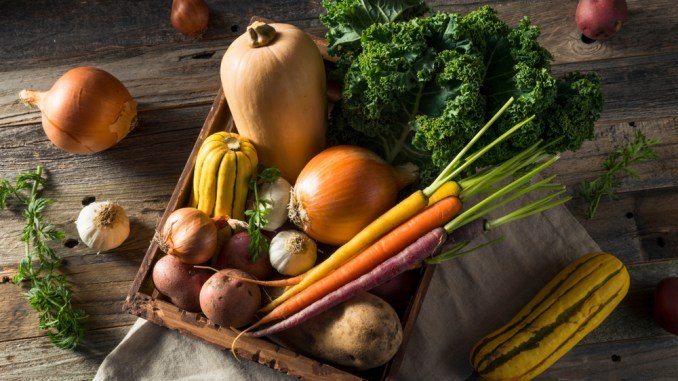

When the cold weather sets in, it doesn’t mean your meals have to be bland and boring. Winter brings its own array of fresh and flavorful produce that can add variety and nutrition to your dishes. Embracing seasonal eating during the winter months not only supports your health but also adds a burst of unique flavors to your meals. To make it easier for you, we’ve put together a comprehensive guide to winter produce to help you make the most of the season.
Root Vegetables: The Cornerstone of Winter Cuisine
Root vegetables are the unsung heroes of the winter season. Carrots, parsnips, turnips, and beets develop a natural sweetness as they adapt to the colder temperatures, making them incredibly flavorful during the winter months.
Proper storage is key to keeping these hardy vegetables fresh for weeks. Removing any leafy tops and storing them in a cool, dark place can help prolong their shelf life. Consider using breathable bags to maintain the right humidity levels and prevent excess moisture that can lead to spoilage.
When it comes to preparation, roasting root vegetables brings out their natural sweetness, while boiling and mashing can create comforting side dishes. Try combining beets, carrots, and sweet potatoes with olive oil and rosemary for a simple yet nutrient-dense meal.
Citrus Fruits: A Zesty Addition to Winter Dishes
Citrus fruits like lemons, oranges, grapefruits, and pomelos are at their peak during the winter season. Packed with Vitamin C, these fruits are essential for supporting your immune system during the colder months.
Beyond simply enjoying them as a snack, citrus fruits can add a refreshing twist to savory dishes. Lemon zest can brighten up hearty stews, while fresh grapefruit juice can elevate a simple salad dressing. The acidity of citrus fruits helps balance out the richness of winter comfort foods.
Cruciferous Vegetables: Nutrient-Packed Greens
Don’t overlook the greens during the winter season. Cruciferous vegetables like kale, Brussels sprouts, cabbage, and broccoli thrive in cooler temperatures. A light frost can even enhance the flavor of kale and Brussels sprouts by reducing their bitterness.
These vegetables are nutritional powerhouses, rich in fiber, vitamins C and K, and various phytonutrients. From salads to stir-fries to roasts, there are countless ways to incorporate them into your winter meals.
- Kale: Massaging raw leaves with olive oil and lemon juice creates a tender salad.
- Brussels Sprouts: Roasting halved sprouts with a balsamic glaze can turn them crispy and delicious.
- Cabbage: Sautéing cabbage with onions and apples offers a sweet and savory side dish.
- Cauliflower: Roasting a whole cauliflower or blending it into a creamy soup adds variety to your winter menu.
Winter Squashes: Comforting and Versatile
Winter squashes like butternut, acorn, delicata, and spaghetti squash are staples of the season. Their thick skins allow them to be stored for months, and they are rich in Vitamin A and fiber, making them a healthy carbohydrate choice that keeps you satisfied.
Pureed squash can add a creamy texture to soups and stews, while stuffing acorn squash with grains and nuts can create a hearty vegetarian main course. Experimenting with new recipes that incorporate these vibrant ingredients can add excitement to your winter meals, even on the dreariest of days.
Eating seasonally not only ensures fresh and flavorful meals but also connects you to the natural cycle of the year. By focusing on winter produce—root vegetables, citrus fruits, hearty greens, and squash—you can create dishes that are not only delicious but also nutritious. Whether you visit your local farmers market or seek out seasonal produce at the grocery store, incorporating these winter gems into your diet can elevate your culinary experience and support your well-being.