
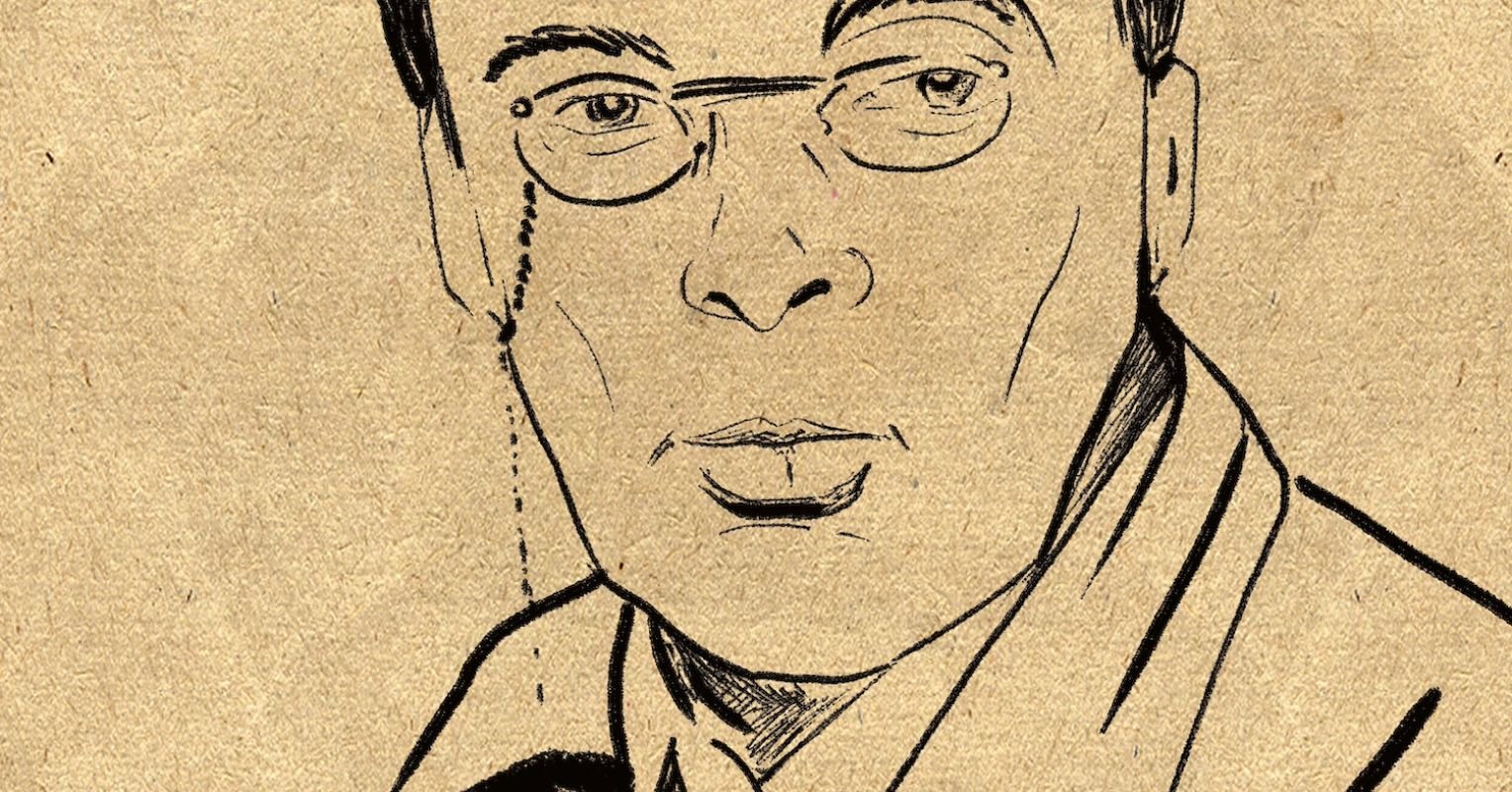
The Unraveling of Society: A Reflection on Yeats’ “The Second Coming”
In the midst of today’s turbulent world, a wise 84-year-old client shared a profound insight during our session. Referencing William Butler Yeats’ renowned poem, “The Second Coming,” she echoed his sentiment that “the center cannot hold” and observed the unraveling of our world.
Written in the aftermath of World War I and the Spanish Flu, Yeats’ poem captures the sense of unease and uncertainty that defined his era. Phrases like “the falcon cannot hear the falconer” and “mere anarchy is loosed upon the world” paint a picture of societal collapse and chaos. The poem’s “rough beast” symbolizes a disturbing transformation, signaling the end of familiar certainties.
Fast forward to today, where many individuals grapple with similar existential challenges. These individuals, driven by a sense of responsibility to uphold human dignity, find themselves amidst societal turmoil. Despite their intellect and resources, they struggle to find hope, compassion, and a renewed sense of purpose.
As a marriage and family therapist, my focus lies in helping clients realign their moral compass by disconnecting from the divisive rhetoric of the media and reconnecting with their values and relationships. Much like Yeats’ themes of chaos and loss of meaning, our work delves into systemic and existential issues, addressing anxiety and breakdowns in communication.
Emotionally focused family therapy serves as a powerful tool in this process, encouraging clients to embrace their emotions rather than suppress them. By navigating this emotional turbulence together, clients enhance their resilience and well-being, integrating global experiences into their values and actions.
While our work may be emotionally taxing, providing a safe space for clients to process their reactions to world events is crucial for mental health. Through this introspection, individuals can find their center and redefine their sense of purpose.
Although Yeats’ poem offers little hope, history shows that compassion, empathy, and community have prevented the collapse of the “center.” By nurturing our own well-being and that of our clients, we can ensure that the center remains intact amidst upheaval.
As clinicians in a changing world, let us reaffirm our commitment to holding the center with empathy and evidence-based tools. By nurturing the center within ourselves and those we serve, we can navigate the challenges of a shifting world.
About the Author:
Paul Hokemeyer, JD, Ph.D., is a licensed marriage and family therapist with a clinical fellow designation from AAMFT. He is also a graduate of the Global Leaders in Healthcare program at Harvard Medical.