
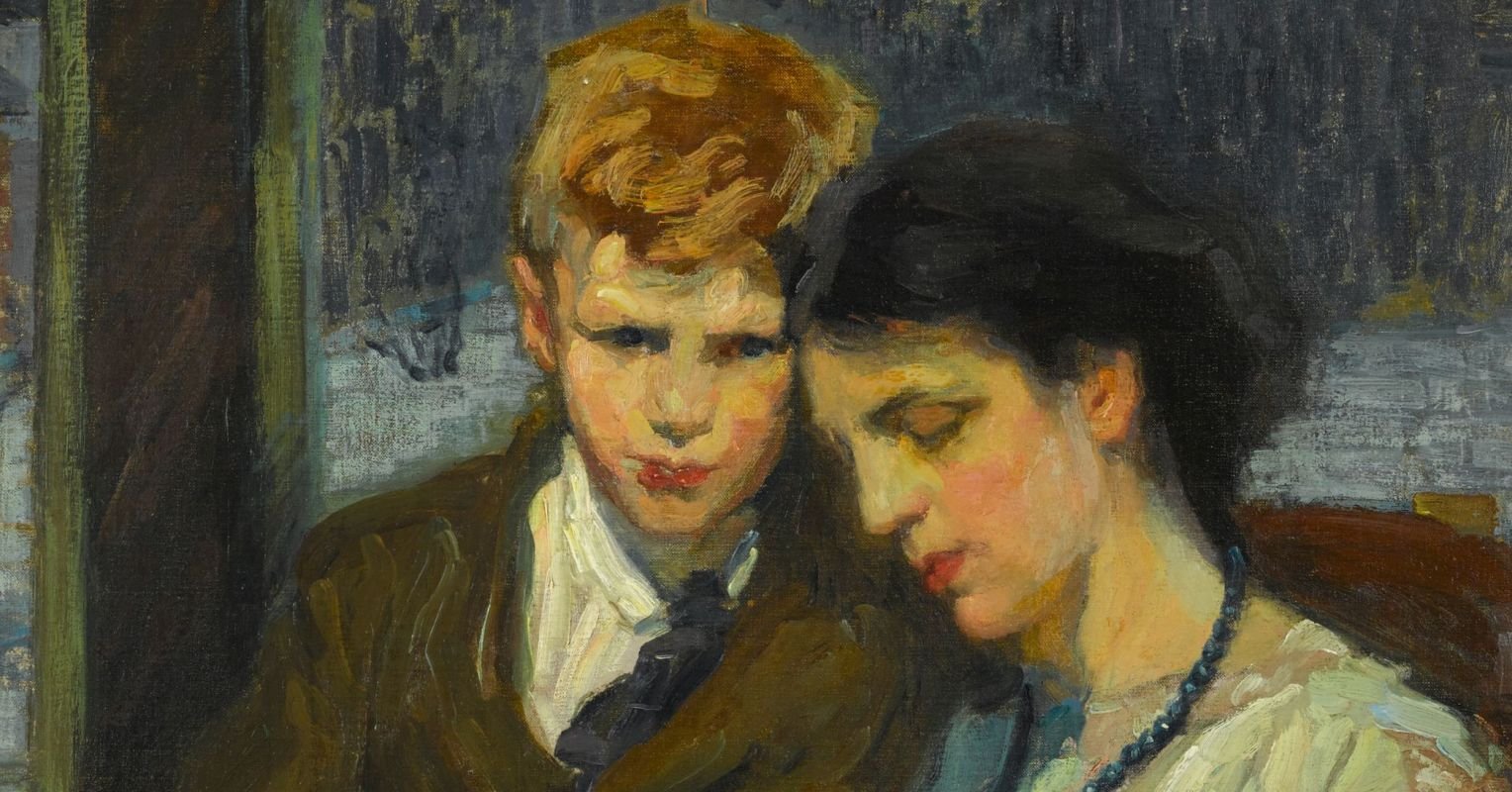
Replacement children, a topic that was previously discussed in the last month’s post titled “Do You Feel Like a Replacement Child?”, continue to provoke deep introspection and exploration into the complexities of identity formation.
The concept of identity stems from the Latin word “identitas,” which implies a sense of sameness with others. Our identity is a blend of both individual self-concept and collective belonging, shaped by various factors such as ethnicity, gender, nationality, politics, class, occupation, and sexual orientation. However, beneath these external identifiers, British psychoanalyst Donald Winnicott proposed the existence of a true self, hidden behind a protective false self that conforms to societal expectations.
For replacement children, the journey towards uncovering and embodying their authentic selves is often fraught with emotional struggles. Growing up under the shadow of a missing family member they were meant to replace, these individuals grapple with questions of self-worth and purpose. The burden of being the “good” child who must compensate for a previous loss can lead to perfectionism, overachievement, and a relentless pursuit of validation.
In her memoir “The Other Girl,” Nobel Laureate Annie Ernaux delves into the complexities of survivor’s guilt as a replacement child. The haunting presence of a deceased sibling looms large, casting doubt on one’s sense of self and worth. The struggle to reconcile one’s existence with the circumstances of their conception can evoke feelings of anger, remorse, and existential questioning.
The impact of being a replacement child extends beyond childhood, affecting one’s sense of identity well into adulthood. Psychoanalyst Kristina Schellinski explores the existential insecurity and identity wounds experienced by adult replacement children in her book “Individuation for Adult Replacement Children.” Through deep engagement with their inner creative resources, these individuals embark on a healing journey towards self-acceptance and self-discovery.
Many historical figures, including artists and writers, have been replacement children, channeling their personal experiences of loss and grief into creative expression. As a replacement child myself, born after my mother’s multiple miscarriages, I have grappled with the weight of being a “miracle baby” and the inherent sense of fragility that accompanies such a label. My creative works are imbued with themes of loss, death, and family secrets, reflecting my subconscious exploration of these profound experiences.
To tap into our inner creativity is to honor and trust our unique voice and vision. Through creative acts such as painting, writing, or dancing, we can access our unconscious mind’s treasure trove of inner truths and emotions. By embracing and expressing our inner images, we can embark on a journey towards authenticity and wholeness, transcending the limitations imposed by our past experiences.