
The Evolution of Consumer AI: A Look at the Current Landscape
As the generative AI industry continues to thrive, it’s evident that most AI startups are focusing on selling their products to businesses rather than individual consumers. While general-purpose language models like ChatGPT have gained popularity among consumers, specialized consumer GenAI applications have yet to gain traction.
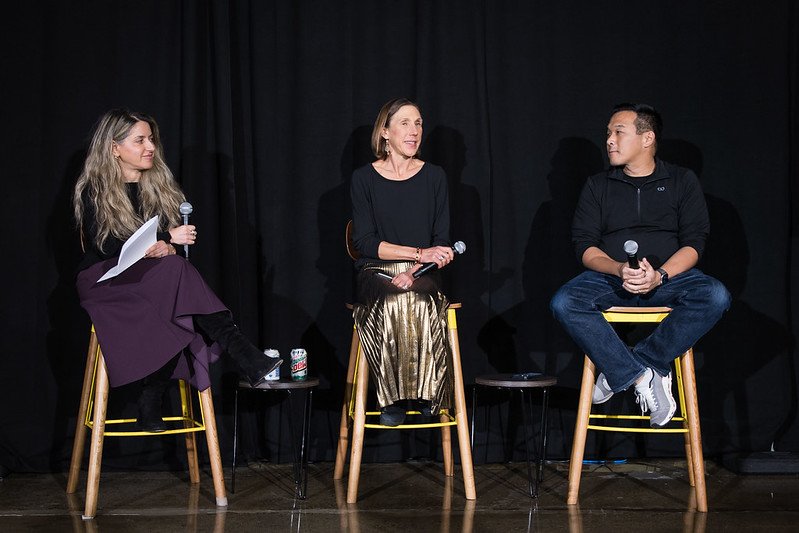
During a recent JS event, Chi-Hua Chien, co-founder of Goodwater Capital, highlighted the challenges faced by early AI applications in video, audio, and photo processing. He noted that the emergence of new technologies, such as Sora and Nano Banana, and the open-sourcing of video models in China, have disrupted the market and led to the disappearance of certain opportunities.
Chien drew parallels between the evolution of AI applications and the development of consumer apps during the early days of smartphones. He emphasized the need for a period of stabilization in AI platforms to pave the way for innovative consumer products to emerge.
Elizabeth Weil, founder of Scribble Ventures, echoed Chien’s sentiments, describing the current state of consumer AI applications as being in an “awkward teenage middle ground.” She emphasized the importance of exploring new devices beyond smartphones to unlock the full potential of AI capabilities.
Redefining Consumer AI Products
Both Chien and Weil believe that traditional smartphones may be too limiting for the future of consumer AI products due to their lack of ambient capabilities. They pointed out ongoing efforts by startups and tech giants to develop new personal devices that can revolutionize the consumer AI landscape.
Projects like OpenAI and Apple’s rumored “screenless” device, as well as Meta’s Ray-Ban smart glasses, are reshaping the way consumers interact with AI technology. Additionally, startups are exploring innovative wearable AI devices like pins, pendants, and rings to offer unique AI experiences.
While new devices are promising, Chien highlighted the potential for AI-powered services like personalized financial advisers and always-on tutors to enhance the consumer experience without the need for new hardware. These services could offer tailored support and guidance directly from a user’s smartphone.
The Future of AI-Powered Social Networks
Despite the excitement surrounding AI’s potential, Chien and Weil expressed skepticism about the emergence of AI-powered social networks. These platforms, driven by AI bots interacting with user-generated content, may lack the human connection that defines traditional social networking experiences.
Chien cautioned against turning social interactions into a “single-player game,” emphasizing the importance of genuine human connections in social networking. While AI technology continues to evolve, the balance between automation and human interaction remains a key consideration for the future of consumer AI products.
Overall, the consumer AI landscape is undergoing significant transformations, with new devices and services poised to redefine how consumers interact with AI technology. As the industry continues to evolve, the potential for innovative consumer AI products remains vast, promising a future where AI seamlessly integrates into everyday life.