
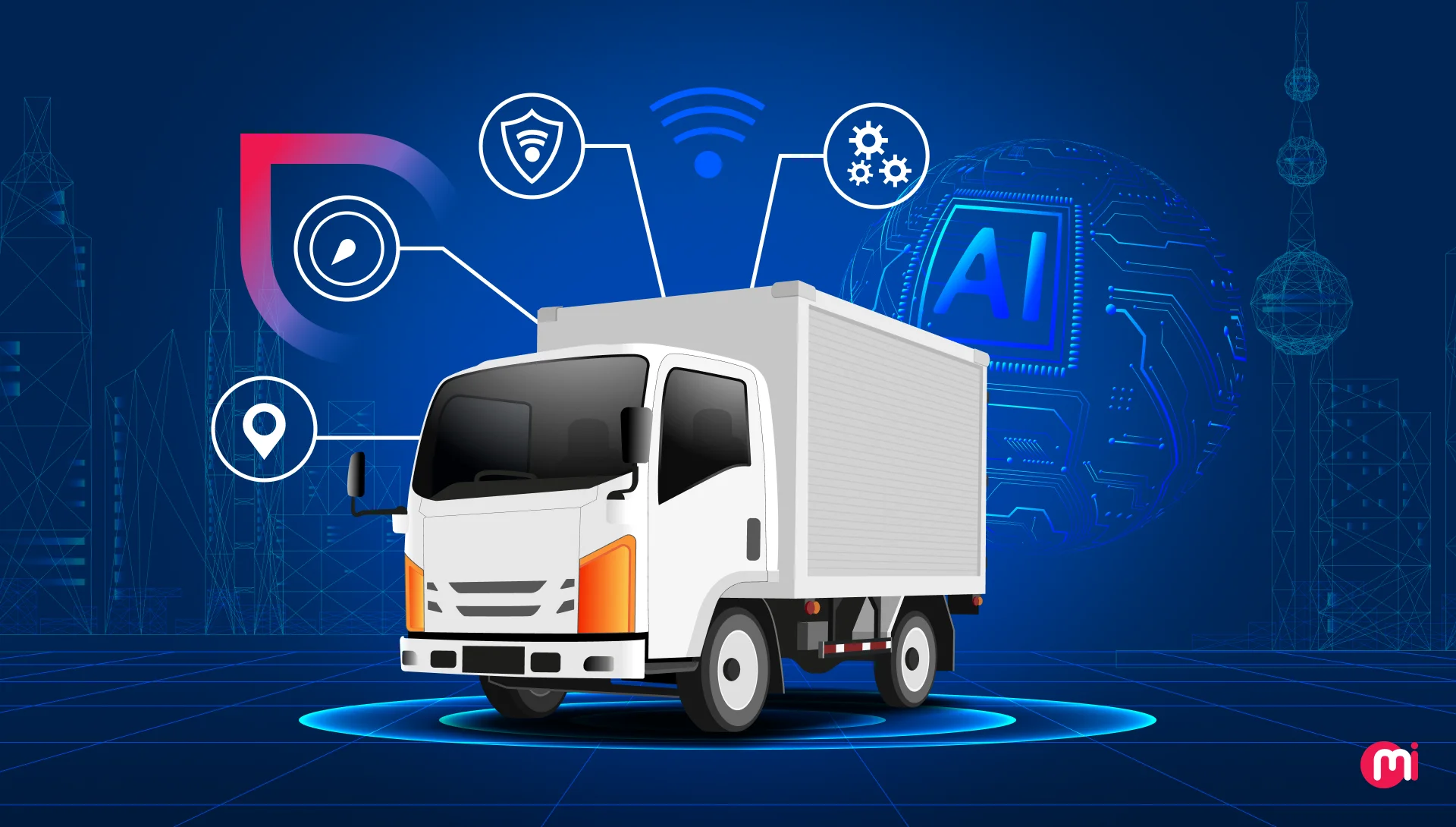
In the realm of transportation, the global market for AI is on a rapid growth trajectory, expected to reach $15.24 billion by 2030 from $4.55 billion in 2023. This substantial growth is primarily driven by the efficiency, effectiveness, and accessibility that AI brings to the transportation industry.
The integration of AI into transportation systems revolutionizes every aspect of travel, delivery, route optimization, and safety alerts by harnessing data-driven intelligence. This optimization leads to improved fleet performance, enhanced safety measures, increased customer satisfaction, reduced operational costs, and enhanced profitability.
AI plays a crucial role in transforming the transportation sector by leveraging machine learning, computer vision, IoT sensors, big data analytics, and automation. It enhances safety, efficiency, and user experience, making transportation smarter, safer, faster, and more efficient. From predicting maintenance failures to guiding autonomous vehicles, optimizing delivery routes, and analyzing driver behavior, AI enables data-driven decisions that significantly enhance outcomes.
Businesses across the transportation sector are adopting AI-powered solutions to address challenges such as inefficient manual processes, safety risks from human errors, unoptimized fuel use, and more. By implementing AI, companies can streamline operations, automate dispatching, optimize routes in real-time, and enhance planning processes.
The top use cases of AI in transportation include autonomous vehicles, fleet management, logistic optimization, traffic management, route optimization, predictive maintenance, and more. These applications improve safety, reduce congestion, lower costs, and increase efficiency through data analytics, informed decision-making, and automation.
The benefits of AI in transportation include reduced operational costs, efficient asset utilization, higher safety measures, faster delivery cycles, improved customer satisfaction, and the ability to scale operations without increasing the workforce. By leveraging AI, businesses can optimize routes, predict demand, enhance safety measures, and streamline operations for better efficiency.
Building an AI-powered transportation software requires a structured approach, starting with defining clear goals, acquiring relevant data, developing AI models, and integrating the solution into existing operations. By following the steps of defining goals, identifying high-impact use cases, hiring the right development partner, gathering quality data, choosing the right tech stack, developing an MVP, integrating with existing systems, testing, and deploying the software, businesses can create effective AI solutions for transportation.
Real-world examples of AI in transportation include companies like Waymo, Tesla, UPS, and Amazon, which have successfully implemented AI technologies in their operations. These examples showcase the practical applications of AI in autonomous vehicles, route optimization, last-mile delivery, and more, leading to enhanced efficiency and improved outcomes.
Despite the benefits of AI in transportation, integrating AI comes with challenges such as ensuring data quality, high upfront investment, technical complexity, integrating with legacy systems, safety, and regulatory hurdles. By addressing these challenges through data quality initiatives, phased adoption, hiring skilled developers, using API layers for integration, and ensuring compliance, businesses can overcome obstacles and leverage AI effectively in transportation.
The future of AI in transportation holds promising advancements, including autonomous freight ecosystems, AI-driven supply chain decisions, super platforms for connected mobility, digital twins for fleet economics, AI-aware autonomous vehicle behavior, predictive risk platforms for insurance, and compliance, among others. These innovations will redefine transportation operations, improve efficiency, and enhance safety measures in the industry.
To embark on the AI-powered transportation journey, partnering with a reliable development company like MindInventory can offer comprehensive AI development services tailored to specific business needs. By leveraging expertise in AI development, businesses can create innovative transportation software solutions that optimize operations, improve efficiency, and enhance customer satisfaction.
In conclusion, AI is reshaping the transportation industry, offering transformative solutions that enhance safety, efficiency, and customer experience. By embracing AI technologies and implementing tailored solutions, businesses can stay ahead of the curve, drive innovation, and achieve sustainable growth in the dynamic transportation landscape.