
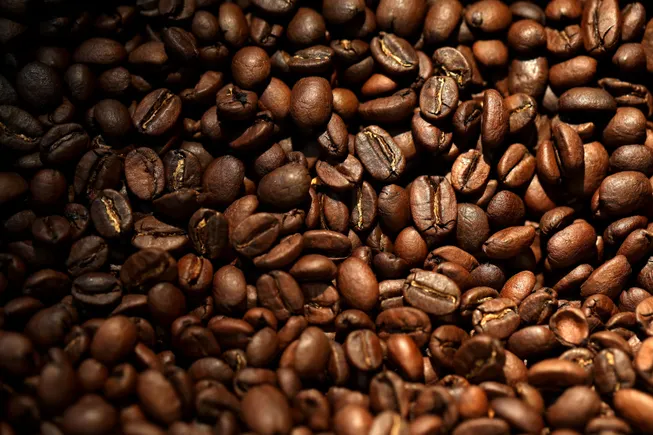
The United States has granted tariff exemptions for a wide range of food and agricultural products from Brazil, following an executive order signed by President Donald Trump. These exemptions cover 238 classifications and 11 categories of goods, including coffee, beef, spices, tropical fruits, and fruit juices. The exemptions, which are retroactively effective from November 13, aim to ease the tariff burden on Brazilian exports, particularly coffee.
Brazil is a significant player in the global coffee market, accounting for 37% of annual production. Tariffs on coffee have added pressure to already rising prices due to climate change affecting harvests. In addition to the global reciprocal tariffs, imports from Brazil have faced an additional 40% levy since August 6, following a national emergency declaration by Trump citing threats to U.S. national security, foreign policy, and economic interests.
The tensions between the two countries also stemmed from issues such as the prosecution of former Brazil President Jair Bolsonaro and fines imposed on U.S. companies by the Brazilian Supreme Court. However, recent progress in trade negotiations between Trump and Brazil President Luiz Inácio Lula da Silva led to the issuance of these tariff exemptions.
In July, the Trump administration launched a Section 301 investigation into Brazil’s trade practices, focusing on areas such as digital trade, anti-corruption enforcement, and ethanol market access. The negotiations between the two countries are ongoing, with hopes of resolving trade disputes and fostering better economic relations.
Overall, these tariff exemptions mark a positive step towards easing trade tensions between the United States and Brazil, benefiting both countries’ food and agricultural industries. The ongoing negotiations and investigations demonstrate a commitment to addressing trade issues and promoting fair and mutually beneficial trade practices.