
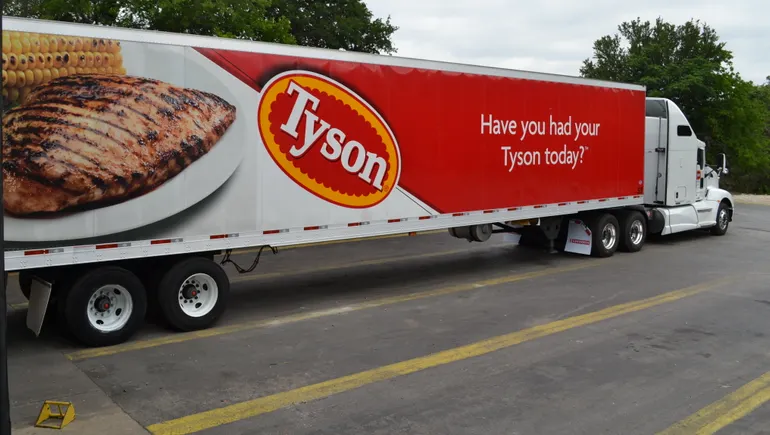
In a significant move, Tyson Foods has announced the closure of one of its major beef processing plants, resulting in the layoff of over 3,200 employees. This decision comes as U.S. cattle shortages continue to impact operations for leading meatpackers in the industry.
The meat giant revealed that it would cease operations at its meatpacking facility in Lexington, Nebraska, while also scaling back production at its Amarillo, Texas, beef facility to a single, full-capacity shift. Tyson emphasized that these measures were necessary to streamline its beef business and ensure long-term success. To meet customer demand and offset volume losses from the closed plant, the company plans to increase production at other beef facilities.
This move by Tyson reflects the challenges faced by the U.S. cattle industry, with cattle herds currently at a 75-year low according to the USDA. Factors such as climate challenges, tough economics, and the resurgence of the New World screwworm pest have contributed to the decline in supply, making it difficult for the U.S. to import beef. As a result, beef prices have risen significantly, exceeding $6 per pound as of September.
While Tyson has experienced an increase in beef sales due to higher prices, the company has also seen a rise in cattle costs that outweigh the sales growth. In response to these challenges, CEO Donnie King has outlined plans to prioritize efficiency, reduce costs, and introduce innovative products to address the situation.
The closure of the beef plant in Lexington, which had the capacity to process 5,000 head of cattle per day, is expected to have a notable impact on the local community. Tyson’s investment in the plant in 2015 and the subsequent investment in the Amarillo, Texas facility demonstrate the company’s commitment to its beef business.
The decision to close plants can have far-reaching effects on rural communities, where meatpackers are often major employers. Nebraska U.S. Sen. Deb Fischer expressed disappointment over the closure, emphasizing the importance of the cattle industry to the state. Lawmakers have previously intervened to address closures by meatpackers, with efforts to legislate against monopolies in the industry.
Nebraska Gov. Jim Pillen highlighted the resilience of the state’s cattle industry and expressed optimism for future opportunities. Tyson has pledged to explore value-added opportunities in the state, indicating a commitment to supporting employees affected by the closure.
In conclusion, the closure of Tyson’s beef processing plant underscores the challenges faced by the U.S. cattle industry and the broader impact on local communities. As the industry adapts to changing dynamics, stakeholders are working to navigate the evolving landscape and support those affected by these changes.