
The Trump Administration Faces Legal Setbacks in Offshore Wind Farm Construction
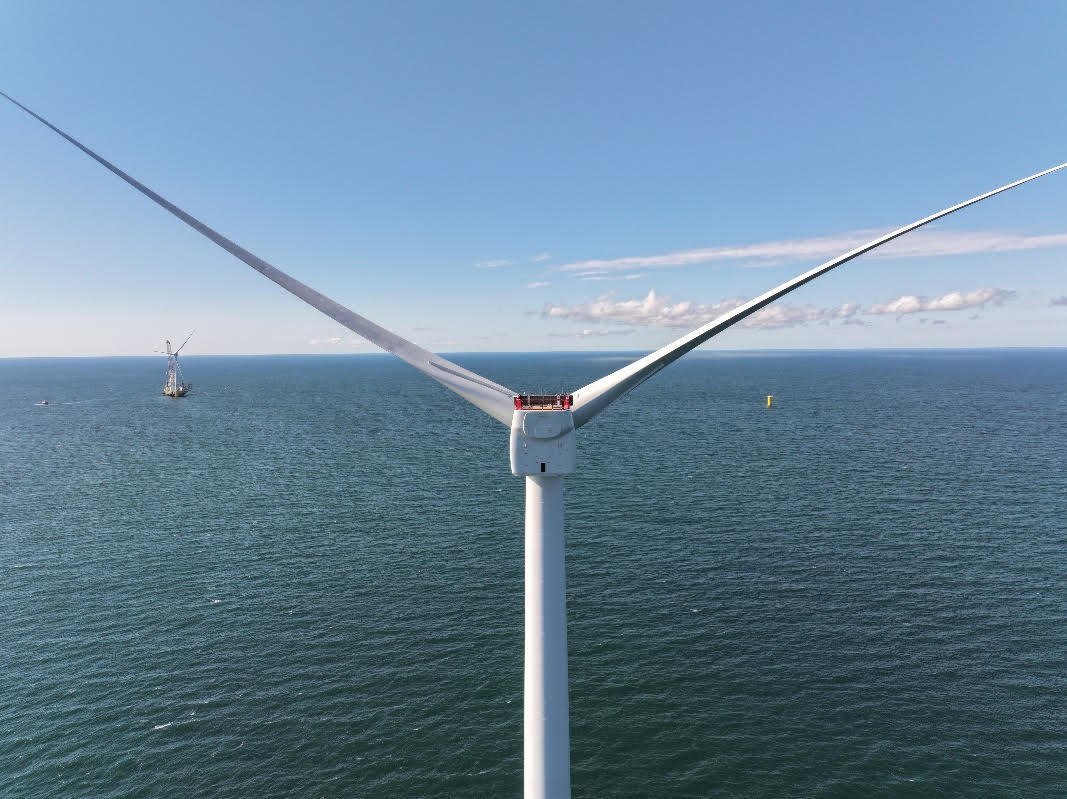
Recent legal decisions have allowed work to resume on several offshore wind farms along the East Coast, dealing a blow to the Trump administration’s efforts to halt their construction. The Department of the Interior had previously ordered a stop to five projects totaling 6 gigawatts of generating capacity due to national security concerns. However, judges have now granted permission for three projects to continue construction: Revolution Wind in Rhode Island, Empire Wind in New York, and Coastal Virginia Offshore Wind in Virginia.
Legal Battles and Judicial Scrutiny
Following the government’s stop work order in December, the developers of the offshore wind projects swiftly filed lawsuits challenging the decision. The courts were not convinced by the administration’s arguments, with judges raising questions about the rationale behind halting construction. U.S. District Judge Carl Nichols, appointed by Trump, highlighted the lack of consideration for the developers’ arguments and criticized the order as “arbitrary and capricious.” Similarly, U.S. District Judge Jamar Walker expressed skepticism about the broad nature of the Interior department’s directive.
The Future of Offshore Wind Energy on the East Coast
Despite the legal challenges, the potential for offshore wind energy on the East Coast remains significant. A Department of Energy study projected that the region could produce up to 110 gigawatts of offshore wind power by 2050. This clean energy source could help alleviate electricity costs in densely populated areas and support the growth of data centers. Offshore wind is also touted as one of the most cost-effective forms of new power generation, offering a sustainable solution to meet the region’s energy needs.
Looking beyond the East Coast, offshore wind has the capacity to revolutionize the national energy landscape. With the potential to generate 13,500 terawatt-hours of electricity annually, offshore wind could significantly exceed current electricity consumption levels in the United States.