
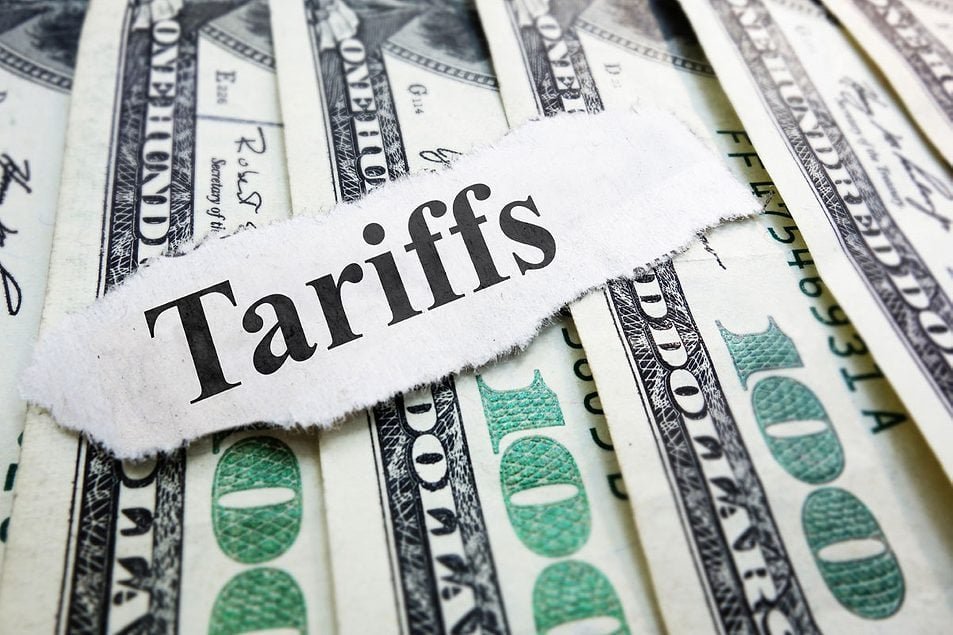
Impact of White House Tariffs on US Importers
Overview
Since the beginning of 2025, the White House has been utilizing tariffs to reshape trade relationships and influence international matters. According to data from the US Department of Treasury, the taxes paid by US importers have nearly tripled as a result.
Tariff Revenue Statistics
From January to September 2025, the United States has collected approximately $190 billion in import tax revenue. This significant increase in revenue can be attributed to the implementation of broader tariff rates by the Trump administration, particularly since April. In comparison, only about $73 billion in tariff revenue was collected during the same period in 2024.
Throughout 2024, the US government collected an average of $8 billion per month in tariff revenue. However, this monthly amount has surged to over $21 billion in the first nine months of 2025. Since July 2025, when additional tariffs were imposed, import tax revenue has further increased to about $30 billion per month. If this trend continues, annual US tariff revenue could reach close to $360 billion, surpassing the total import taxes collected in the years 2022, 2023, and 2024 combined.
International Relations
In a recent call with President Donald Trump, Brazilian President Luiz Inacio Lula da Silva requested a waiver from the 40% tariff imposed on Brazilian imports by the White House. This tariff has particularly impacted Brazilian agricultural imports such as beef and coffee, which now face a combined tax rate of 50%. Despite this, some Brazilian orange juice imports have been exempted from the levy.
Subsequently, President Trump announced on social media that he and President Silva would engage in further discussions and meetings in the near future. Additionally, Trump met with Canadian Prime Minister Mark Carney to explore the possibility of a future trade agreement and potential relief from new tariffs on Canadian steel and aluminum, which have adversely affected the Canadian economy.
Business Impact
As import taxes continue to rise, companies like Conagra Brands, Inc. and McCormick & Co. are feeling the financial strain. Conagra’s exposure to tariffs has increased, with changes in country-specific rates impacting their cost of goods sold. McCormick & Co. has also seen a rise in gross tariff costs, now estimated at $70 million for 2025 compared to the previous estimate of $50 million.
Both companies are making efforts to mitigate the impact of tariffs, but the situation remains challenging. McCormick & Co.’s management team noted that while they expect to offset most of the tariff impact in 2025, some mitigation efforts may not be permanent and will require further attention in the future.
Conclusion
As the White House continues to leverage tariffs for economic and diplomatic purposes, US importers and businesses must navigate the evolving trade landscape. The impact of these tariffs on companies and consumers highlights the importance of ongoing negotiations and strategic decision-making in the global market.