
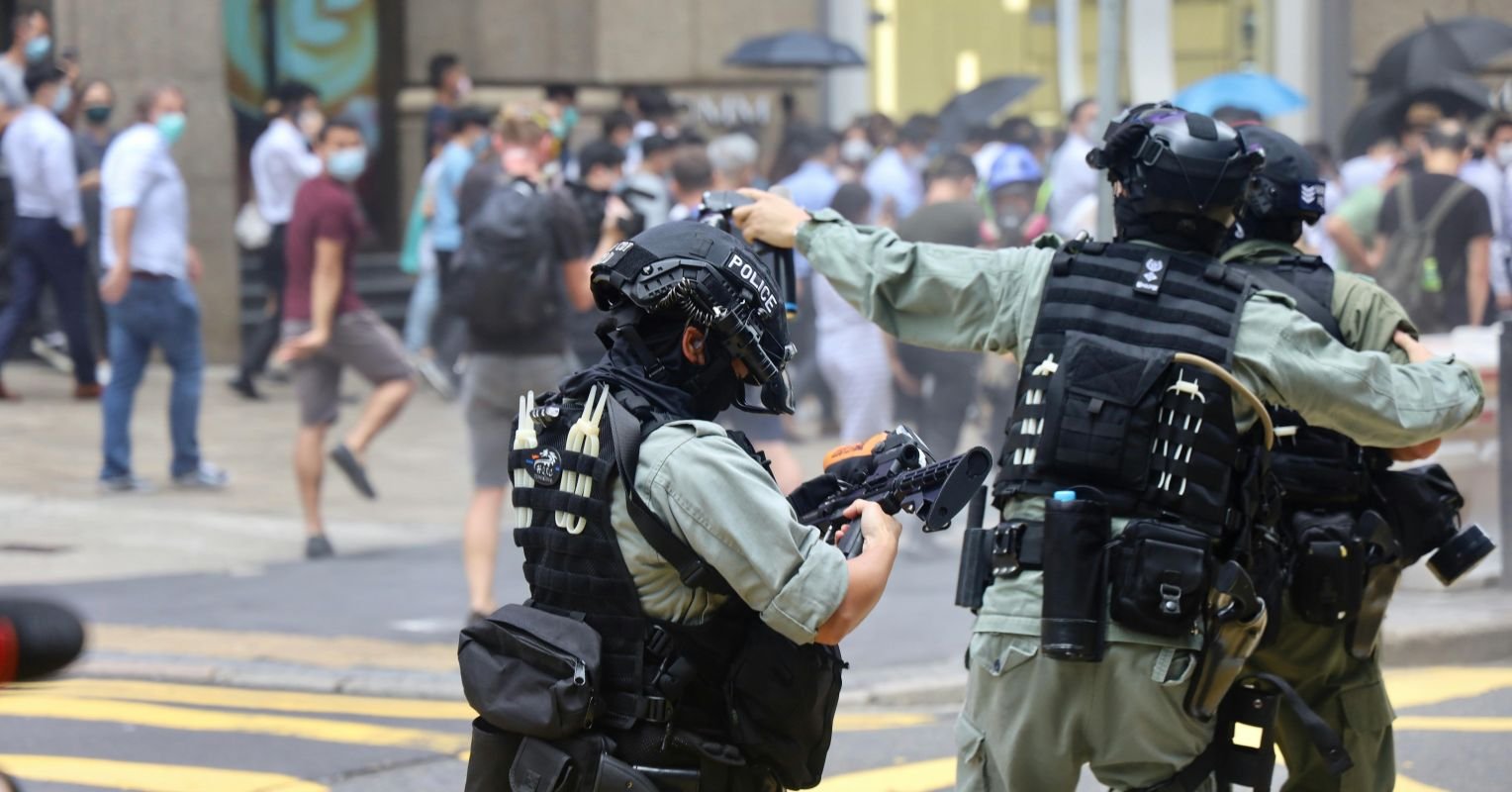
The impact of witnessing violence can leave us feeling paralyzed, especially when faced with brutal images of suffering children, military occupations, and destroyed neighborhoods. Whether it’s in Palestine or Minneapolis, the scenes of suffering haunt us and take a toll on our mental well-being.
While the situations in the West Bank, Gaza, and Minneapolis may differ in terms of scale and context, there are psychological and systemic similarities between them. Many Americans may feel helpless and horrified when confronted with extreme suffering, leading to a sense of paralysis.
Scholars in the fields of anthropology and political psychology have studied how those who commit atrocities rely on the paralysis of others. They manipulate our instinct to look away or stare at violence to make us complicit and powerless. The normalization of violence against certain population groups, whether in Guatemala, Palestine, or ICE operations in Minnesota, desensitizes us to the horrors we witness.
The concept of “necropolitics” highlights how some lives are deemed expendable long before they are taken away, leading to a lack of public outcry when these individuals are subjected to violence. The dehumanization of victims plays a crucial role in sanctioned massacres, allowing perpetrators to justify their actions by demonizing those they harm.
Blaming victims for their own suffering is a common tactic used to shift guilt and justify atrocities. When individuals are dehumanized, they are often seen as more responsible for their plight, making it easier for political leaders to commit violence against them. This cultural shift in perception can lead to bystanders remaining passive in the face of aggression.
To overcome this sense of paralysis, it is essential to acknowledge the violence for what it is and refuse to play the passive role that perpetrators expect of us. By reclaiming our ability to respond with humanity and empathy, we can break free from the cycle of dehumanization and take a stand against injustice.