
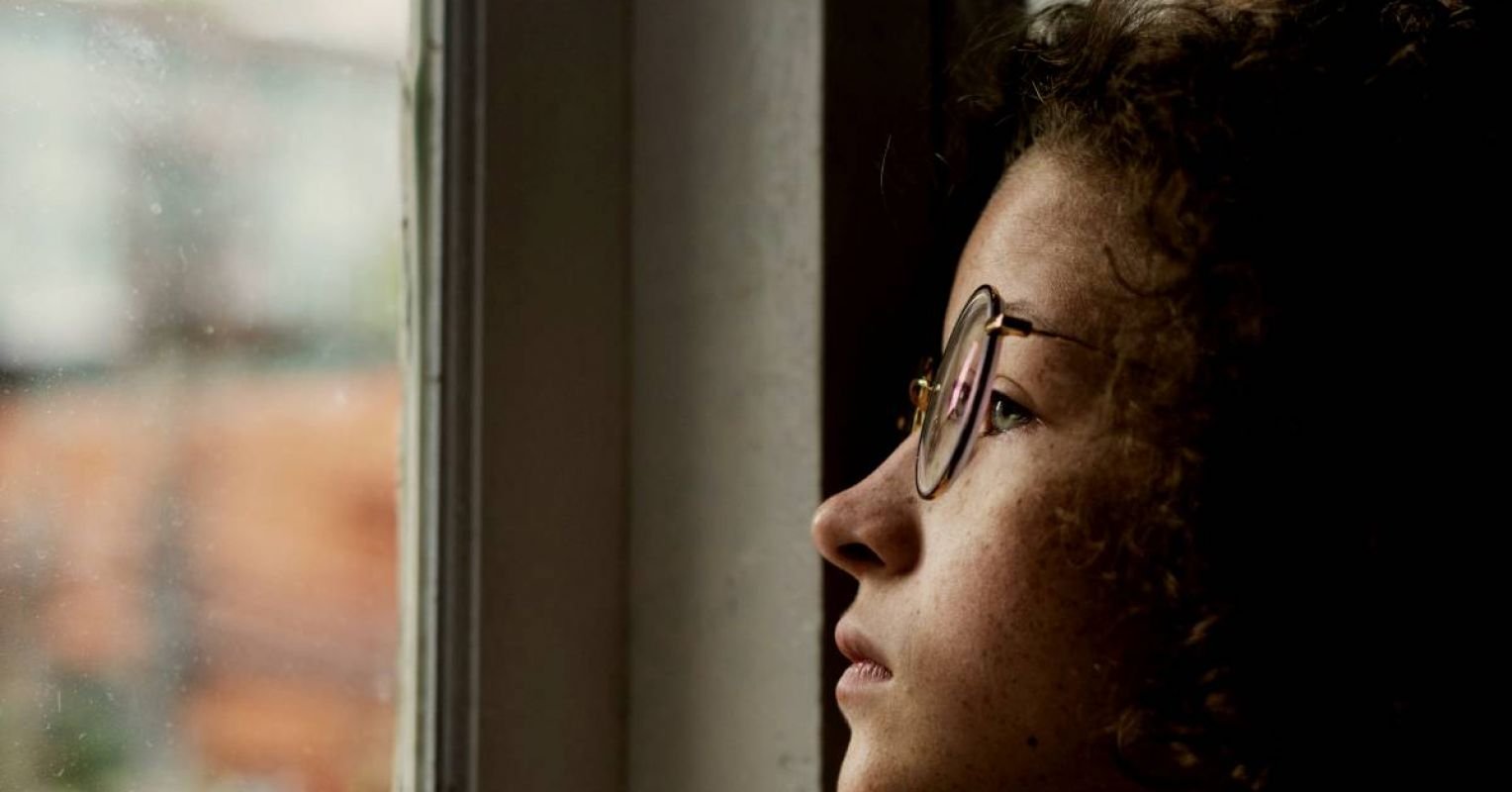
When engaged in a healthy disagreement, two individuals share their perspectives with one another. However, personal conflicts can trigger a different response within the body. Criticism is perceived as a threat by the nervous system, leading to increased heart rate and defensive reactions. This can result in feelings of shame or a shutdown of emotions.
Criticism from someone close activates the fight-or-flight response, as the brain scans for potential danger. What may have started as a minor complaint from a partner can quickly escalate into a judgment on one’s entire identity.
Attachment sensitivity plays a significant role in why criticism feels so personal. Research has shown that social rejection triggers the brain’s pain network, causing social threats to register as physical pain. Individuals with high attachment anxiety tend to interpret neutral comments as signs of rejection, while those with high attachment avoidance may see criticism as attempts to control them.
Studies have linked attachment insecurity to maladaptive interpersonal responses, indicating that insecure attachment can lead to extreme reactions to feedback. When a person’s self-definition is challenged, they may respond with aggression, withdrawal, or moral outrage to protect their identity.
Shame often fuels personal conflicts, limiting the range of responses to either hiding or lashing out. This cycle of shame can lead to prolonged arguments over minor issues, as shame inhibits rational communication.
Understanding the impact of attachment sensitivity on how criticism is processed can help in navigating disagreements with a partner. By acknowledging the alarm triggered by criticism, regulating the body’s response through breathing exercises or breaks, and offering feedback in a supportive manner, individuals can work towards resolving conflicts calmly.
Practicing small acts of repair, such as apologizing or providing reassurance, can help in gradually reducing attachment alarm and improving relationship dynamics. By addressing the root causes of personal conflicts, individuals can create a more harmonious environment for communication and resolution.
In conclusion, conflicts may feel personal due to the deep connection between relationships and survival instincts. By addressing attachment issues, managing shame responses, and implementing repair strategies, individuals can improve their conflict resolution skills and foster healthier relationships.