
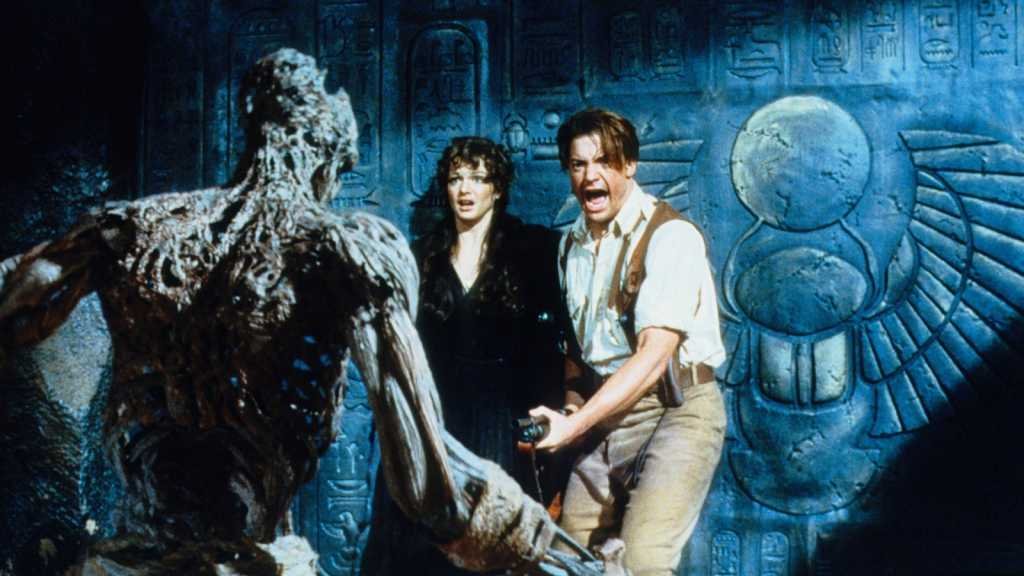
A beloved movie franchise is making a comeback once again. Universal Studios is reportedly working on The Mummy 4, with plans to bring back fan-favorite actors Brendan Fraser and Rachel Weisz as the adventurous Rick and the intelligent Egyptologist, Evelyn, respectively.
The original Mummy film from 1999, a modern remake of the classic monster movie from the 1930s, was a massive success, leading to two sequels. The last installment in the original series, Tomb of the Dragon Emperor, hit theaters in 2008. While the film shifted the setting to China and saw Maria Bello taking over the role of Evelyn, it still performed well at the box office, despite being the lowest-grossing film in the franchise.
Following the relative success of the original series, Universal decided to reboot The Mummy franchise in the 2010s. The 2017 version, starring Tom Cruise, was intended to kick off the Dark Universe, inspired by the classic Universal Monsters film series. Unfortunately, the film received negative reviews and failed to meet box office expectations, leading to the cancellation of future Dark Universe projects.
However, Universal is not giving up on The Mummy just yet. The studio is reportedly working on a direct sequel to Tomb of the Dragon Emperor, disregarding the 2017 reboot entirely. The Mummy 4 is slated to be directed by Matt Bettinelli-Olpin and Tyler Gillett, known for their work on films like Ready or Not, Scream, and Scream VI.
But amidst the excitement of The Mummy’s return, one question lingers – can the film succeed in today’s competitive box office landscape, where many big-budget movies struggle to turn a profit?
Revivals Aren’t a Guaranteed Success
Upon hearing about the revival of The Mummy franchise, comparisons to the Indiana Jones series come to mind. Disney attempted to revive the iconic archaeologist in 2008 with Indiana Jones and the Kingdom of the Crystal Skull, which received mixed reviews and failed to meet expectations. The film’s underwhelming performance highlighted the challenges of reviving classic franchises with older stars for a modern audience.
Similarly, The Mummy franchise faces the obstacle of appealing to a younger audience that may not be familiar with the original films or the returning stars. While nostalgia can be a powerful marketing tool, it may not be enough to guarantee success in today’s market.
Recent attempts to revive classic franchises, such as Tron: Ares and Furiosa: The Mad Max Saga, have struggled to resonate with audiences, underscoring the challenges of resurrecting old properties in a rapidly evolving industry.
Despite these hurdles, there have been success stories in the realm of franchise revivals. Jurassic World, Alien, and Twisters have all managed to captivate audiences and deliver box office hits, proving that with the right approach, a classic franchise can still thrive in today’s market.
As The Mummy 4 prepares to make its return, the outcome remains uncertain. While the film may face challenges in a crowded market dominated by streaming services, there is still potential for it to capture the hearts of audiences old and new.
Ultimately, the success of The Mummy 4 will depend on its ability to balance nostalgia with modern storytelling and appeal to a wide range of viewers. Only time will tell if the franchise can rise from the dead once again and capture the magic that made the original films so beloved.
Related Articles
The Importance of Self-Care in Today’s Fast-Paced World
In today’s fast-paced world, it can be easy to overlook the importance of self-care. With busy schedules, demanding jobs, and constant connectivity through technology, taking time for oneself often falls to the wayside. However, self-care is crucial for overall well-being and should not be neglected.
Self-care encompasses a wide range of activities that promote physical, mental, and emotional health. This can include exercise, healthy eating, getting enough sleep, practicing mindfulness or meditation, spending time with loved ones, and engaging in hobbies or activities that bring joy. By prioritizing self-care, individuals can reduce stress, improve their mood, boost their immune system, and enhance their overall quality of life.
One of the key benefits of self-care is stress reduction. In today’s high-pressure world, stress is a common experience for many people. Chronic stress can have serious negative effects on both physical and mental health, including increased risk of heart disease, obesity, anxiety, depression, and more. Taking time for self-care activities can help to lower stress levels and promote relaxation, leading to a healthier and more balanced life.
Self-care also plays a crucial role in maintaining mental health. By engaging in activities that bring joy and fulfillment, individuals can improve their mood and reduce symptoms of anxiety and depression. Additionally, self-care practices like mindfulness and meditation can help to increase self-awareness and emotional regulation, leading to a greater sense of inner peace and well-being.
In addition to the mental and emotional benefits, self-care also has a positive impact on physical health. Engaging in regular exercise, eating a balanced diet, and getting enough sleep are all important components of self-care that can improve overall health and well-being. By taking care of their bodies, individuals can reduce their risk of chronic diseases, boost their immune system, and increase their energy levels.
Overall, self-care is an essential aspect of maintaining a healthy and balanced life in today’s fast-paced world. By prioritizing self-care activities and making time for oneself, individuals can reduce stress, improve their mental and emotional well-being, and enhance their overall quality of life. So, take some time for yourself and engage in activities that promote self-care – your mind, body, and soul will thank you.