
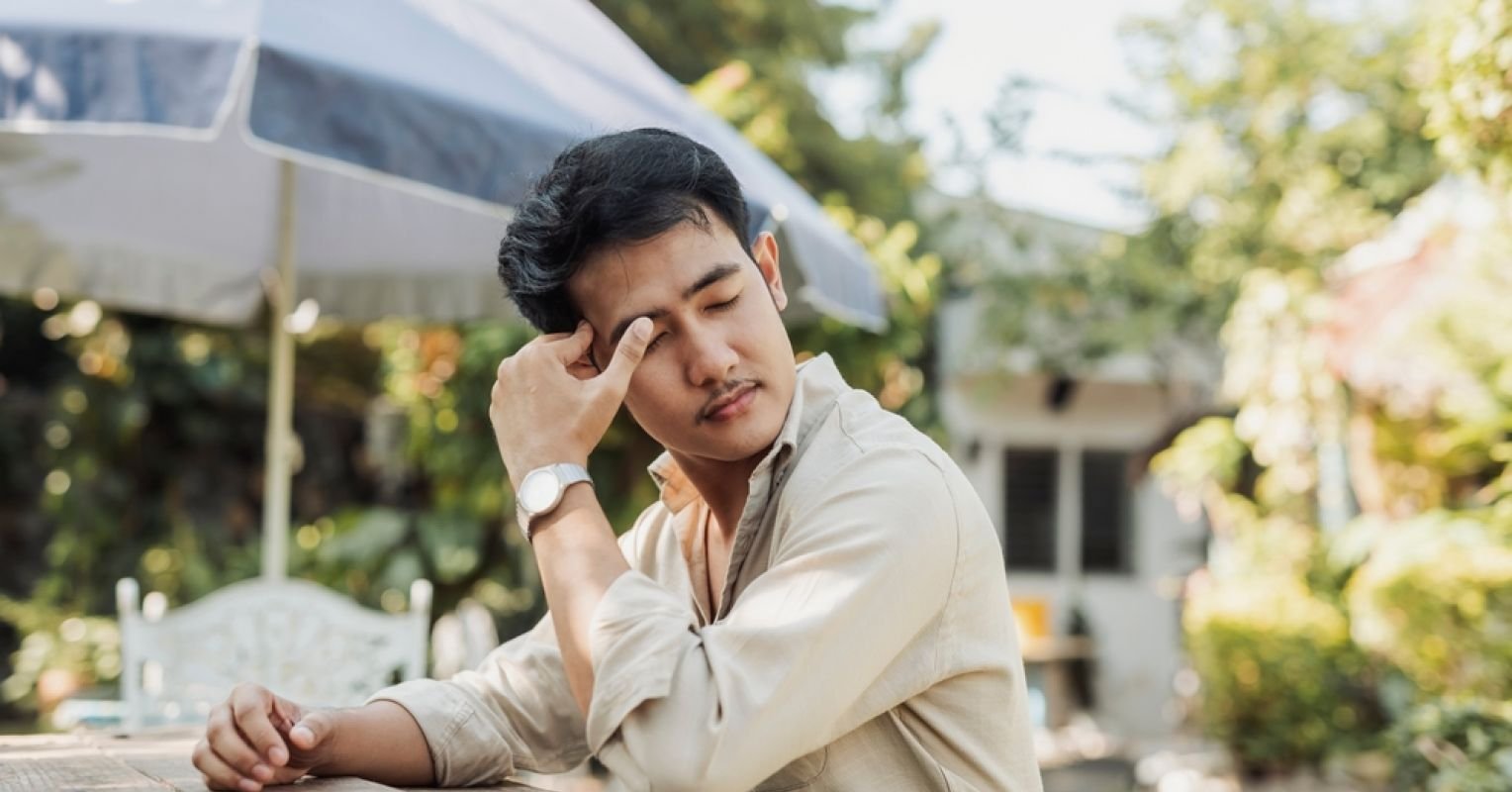
Loneliness has been declared a public health crisis by the U.S. Surgeon General in 2023, shedding light on the prevalence of this issue not only in isolated individuals in urban areas but also in countries known for strong family connections and vibrant social gatherings.
In the Philippines, where extended families come together daily for meals and community events are a common occurrence, a surprising 57% of citizens report feeling lonely, according to the Meta-Gallup’s 2023 Global State of Social Connections report. This statistic is the second-highest globally, indicating a significant level of loneliness despite the country’s reputation for communal unity.
A qualitative study conducted by the Annecy Behavioral Science Lab across eight countries delved into the reasons behind this paradox. Through interviews with 50 Filipinos of varying ages and loneliness levels, the study uncovered how societal norms such as “bayanihan” (communal unity) can sometimes lead to deep-seated loneliness that goes unnoticed.
The concept of “pakikipagkapwa” in Filipino culture, which revolves around relating to others as “kapwa” (shared identity), plays a significant role in shaping social interactions. This, combined with the cultural value of “hiya” (propriety) and the expectation of maintaining a cheerful demeanor even in difficult times, can make it challenging for individuals to openly admit to feeling lonely.
Family, which is central to Filipino social life, is both a source of emotional support and a potential burden. While family gatherings and community events are meant to foster connections and protect against loneliness, the responsibilities that come with family ties can sometimes become overwhelming, particularly for younger members who may feel the weight of caregiving duties and generational conflicts.
Despite the emphasis on social interaction in Filipino culture, participants in the study highlighted the importance of emotional presence in fostering true connections. The discrepancy between visible interaction and emotional depth can leave individuals feeling isolated even in the midst of social gatherings, leading to a profound sense of loneliness that is often overlooked.
To cope with loneliness, many Filipinos turn to religion and spirituality, using prayer and meditation to regulate their emotions and restore a sense of connection. Family also plays a crucial role in providing emotional support, while technology, such as social media, serves as a tool for managing emotional strain.
Breaking the silence around loneliness is essential in addressing this issue in the Philippines. Authentic belonging requires emotional acceptance and genuine presence, rather than just physical proximity. By recognizing the signs of loneliness in loved ones and fostering meaningful connections based on emotional fulfillment, communities can create a space where individuals feel truly at home and accepted.
In conclusion, the Philippines’ experience with loneliness serves as a reminder that true connection goes beyond mere interaction or obligation. It requires a genuine presence and acceptance that allows individuals to feel a sense of belonging and comfort. By prioritizing emotional connections over social performances, communities can create a supportive environment where everyone feels seen and heard.