
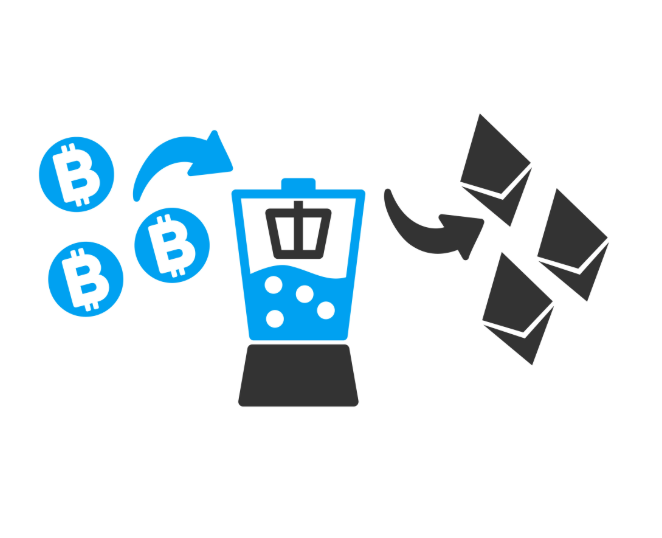
The realm of cryptocurrency is constantly evolving, with one tool in particular sparking debates among users: crypto mixers. Also known as tumblers, these services enable individuals to mix and redistribute their digital assets, complicating the tracking and tracing of transactions.
For some, crypto mixers offer a crucial safeguard for financial privacy. However, others associate them with illicit activities such as money laundering and sanctions evasion. In reality, the truth lies somewhere in between these extremes.
The Importance of Privacy in the Digital Era
The appeal of mixers lies in the realm of privacy. Every transaction involving Bitcoin or Ethereum is permanently recorded on a public blockchain, meaning that it can be traced by anyone with the necessary tools. Unlike traditional banking systems that offer some level of confidentiality, cryptocurrency operates on a foundation of radical transparency.
Mixers emerged as a response to this transparency, providing a means for ordinary individuals to encrypt their financial activities and shield them from surveillance by government entities, spy agencies, and criminals. Advocates of privacy view mixers not as tools for criminal activity, but as essential defenses of digital rights in a world where personal data is constantly collected on a massive scale.
The Dark Side of Anonymity
While mixers offer a valuable solution for those seeking privacy, they also present opportunities for misuse by nefarious actors. Regulators warn that these services can facilitate activities such as ransomware payments, transactions on the darknet, and the laundering of illicit funds. Recent enforcement actions against platforms like Tornado Cash underscore these concerns, with authorities pointing to the platform’s role in enabling the laundering of billions of dollars.
The tension between innovation and compliance is evident in the legal scrutiny facing the developers of mixer platforms. The outcome of cases like the Tornado Cash trial could establish a precedent for how regulators interact with open-source developers within the cryptocurrency sector.
Navigating Regulatory Challenges
The debate surrounding mixers ultimately revolves around the boundaries of financial independence. Should individuals have the right to conduct private transactions, even if this right can be exploited for criminal purposes? Or should regulators prioritize security and stability, even if it comes at the expense of privacy?
Increasingly, governments are opting for the latter approach. Measures such as sanctions, stricter KYC regulations, and the blocking of mixer-associated funds by exchanges are being implemented in the United States and Europe. Critics argue that these actions risk creating bottlenecks and criminalizing code rather than addressing the root causes of illicit activity.
Looking Ahead
Finding a balance between privacy and compliance is the challenge of the moment. While privacy-enhancing technologies are here to stay, there is a growing need for solutions that satisfy both regulatory requirements and user preferences. This could involve the development of new privacy-preserving technologies that uphold confidentiality while ensuring compliance.
The future may see the emergence of a new generation of tools that strike a balance between privacy, innovation, and risk within the digital finance sector. The ongoing discourse surrounding crypto mixers highlights the ongoing conversation about privacy in the digital age and underscores the importance of addressing these issues as the cryptocurrency landscape continues to evolve.