
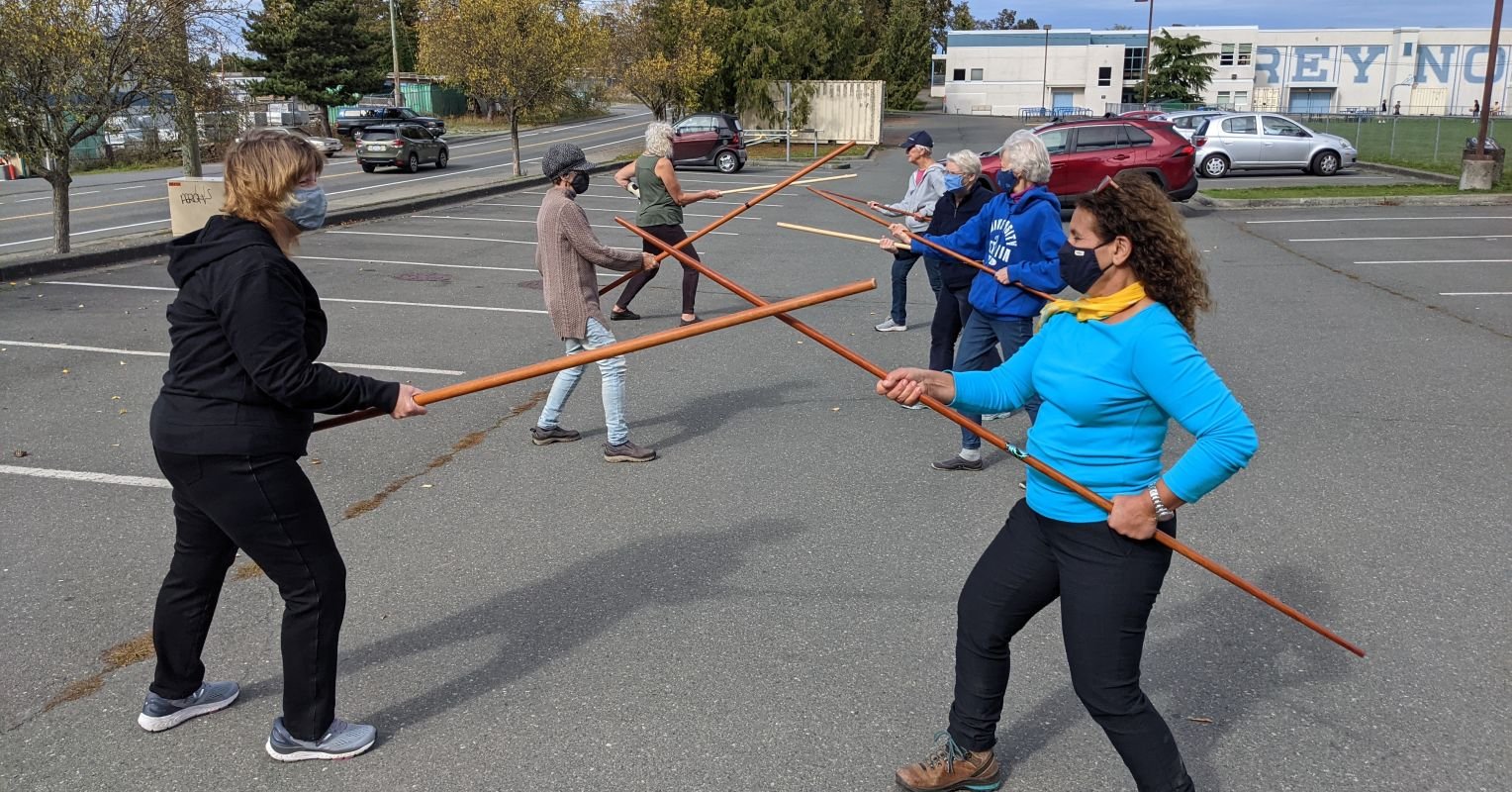
The advantages of incorporating holistic practices such as traditional martial arts into one’s routine are well-documented in terms of their positive impact on both the mind and body. While earlier studies primarily focused on the physical benefits of sports and competition in adults, recent research has expanded to include adolescents, young adults, and older individuals. One aspect of traditional martial arts training that is often overlooked is the use of weapons, which can enhance the overall practice.
A recent study published in Frontiers in Public Health titled “Effects of Taiji Stick Exercises on Strength, Balance, and Activities of Daily Living in Older Adults: A Randomized Controlled Trial” aimed to explore the health benefits of Tai Chi Chuan training with a focus on the use of the stick. The researchers found that older adults who engaged in Taiji Stick exercises experienced improvements in strength, balance, and daily living activities. The study involved a group of 35 older adults in their mid-80s who were randomly assigned to an intervention group or a control group. The intervention group participated in an 11-week Taiji Stick exercise program three times a week for 45 minutes per session.
The Taiji Stick exercise utilized a wooden staff weighing approximately 0.42 kg and involved a structured session that included warm-up, Taiji Stick practice, and relaxation activities. The training intensity was set at 40% to 60% of the maximum heart rate, emphasizing whole-body movements and internal activities to promote physical and mental relaxation.
After the 11-week intervention, the martial arts training group demonstrated significant improvements in lower extremity strength, dynamic balance, and daily living capacity. The findings suggest that traditional martial arts training with the use of weapons can effectively enhance physical fitness, reduce fall-related risks, and improve the overall well-being of older adults.
As someone with a background in martial arts, I have personally experienced the benefits of incorporating weapon-based training into my practice. Weapons training not only enhances brain and body fitness but also promotes neuroplasticity and resilience. The use of traditional weapons like sticks can serve as functional enhancers, complementing empty-handed techniques and improving overall performance.
In conclusion, the study highlights the importance of incorporating traditional martial arts training, including the use of weapons, in promoting the health and well-being of older adults. By leveraging traditional weapon tools in training, individuals can further enhance their physical fitness and cognitive abilities, leading to a more fulfilling and active lifestyle.