
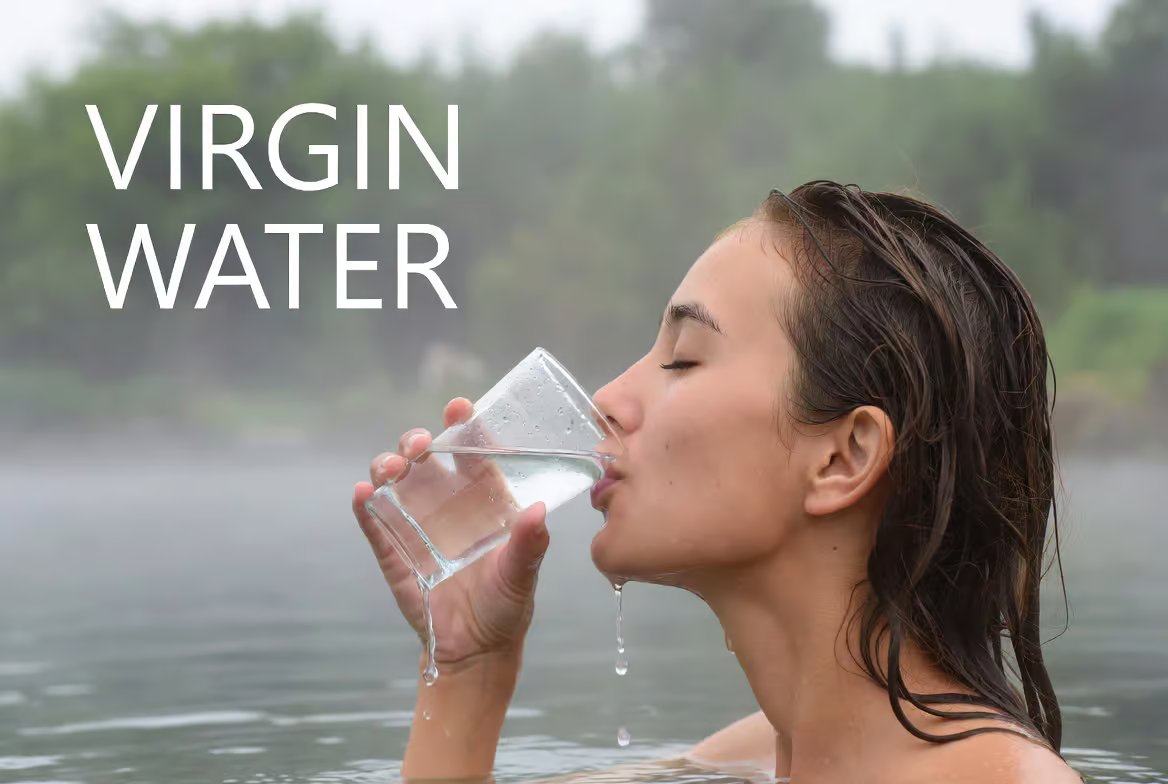
“Virgin water” is a term that has gained popularity in recent years, highlighting the importance of drinking clean, pure water. While we all know that water is essential for our health, there is a significant difference between water that is simply not dirty and water that is truly pure.
We have all experienced the effects of dehydration, from a scratchy throat to dizziness and sluggishness. But what many people don’t realize is that improving the quality of the water we drink can have a profound impact on our overall health. Water plays a crucial role in our bodies, from transporting nutrients to enhancing focus and concentration.
Severe dehydration can lead to serious medical conditions such as lethargy, high blood pressure, and a lack of energy. Shockingly, this is not just a problem in developing countries. According to a joint report from the WHO and UNICEF, one in four people globally, or 2.1 billion, still lack access to safely managed drinking water. This statistic is alarming, especially considering that three-fourths of the Earth’s surface is water.
While there is an abundance of water on Earth, most of it is saltwater, and purifying it on a large scale is a complex challenge. Even in North America, chronic dehydration is surprisingly common and contributes to infant mortality worldwide and thousands of hospitalizations among the elderly every year.
What the world truly needs is not just more water, but more truly clean, pure, virgin water to help everyone thrive.
Key Takeaways:
– “Virgin water” means ultra-pure H2O—free of contaminants, exceeding EPA standards for peak body function.
– 2.1 billion people worldwide lack safe drinking water (2025 WHO/UNICEF), fueling dehydration-linked health crises.
– Mild dehydration (just 2% body weight) slashes brain focus, memory, and athletic power by up to 3%.
– Pure water supercharges kidneys, filtering 150 quarts of blood daily to detox waste effortlessly.
So, What Does Virgin Water Actually Mean?
“Virgin water” is not a scientific term but rather a way to describe water in its purest state, free from contaminants and safe for consumption. It refers to water that meets or exceeds EPA standards for safe drinking water, removing impurities and ensuring its cleanliness.
The U.S. Environmental Protection Agency (EPA) regulates over 90 contaminants in drinking water to protect public health, including chemicals, heavy metals, and microorganisms. “Virgin water” goes beyond these regulations to provide water that is clean, clear, and free from harmful substances.
What Kinds of Contaminants Are We Talking About?
Even regulated tap water may contain chemicals like chlorine, heavy metals like lead, and microorganisms that can pose health risks. Aging infrastructure and pollution can introduce these contaminants into the water supply, highlighting the importance of ensuring water purity.
The Real, Data-Backed Benefits of Drinking Pure Water
Drinking pure water offers numerous health benefits, including boosting brainpower and focus, improving physical performance and energy, and supporting the body’s natural detoxification processes. Studies have shown that staying properly hydrated can enhance cognitive function, athletic performance, and overall well-being.
Upgrade easily: Berkey filters, RO systems, or purified bottled water deliver “virgin” purity on any budget.
In conclusion, investing in high-quality, pure water is a simple yet powerful way to support your health and well-being. By choosing clean, virgin water, you can optimize your body’s functions, enhance your performance, and safeguard your health. Make the switch to pure water today and experience the transformative benefits it can offer.