
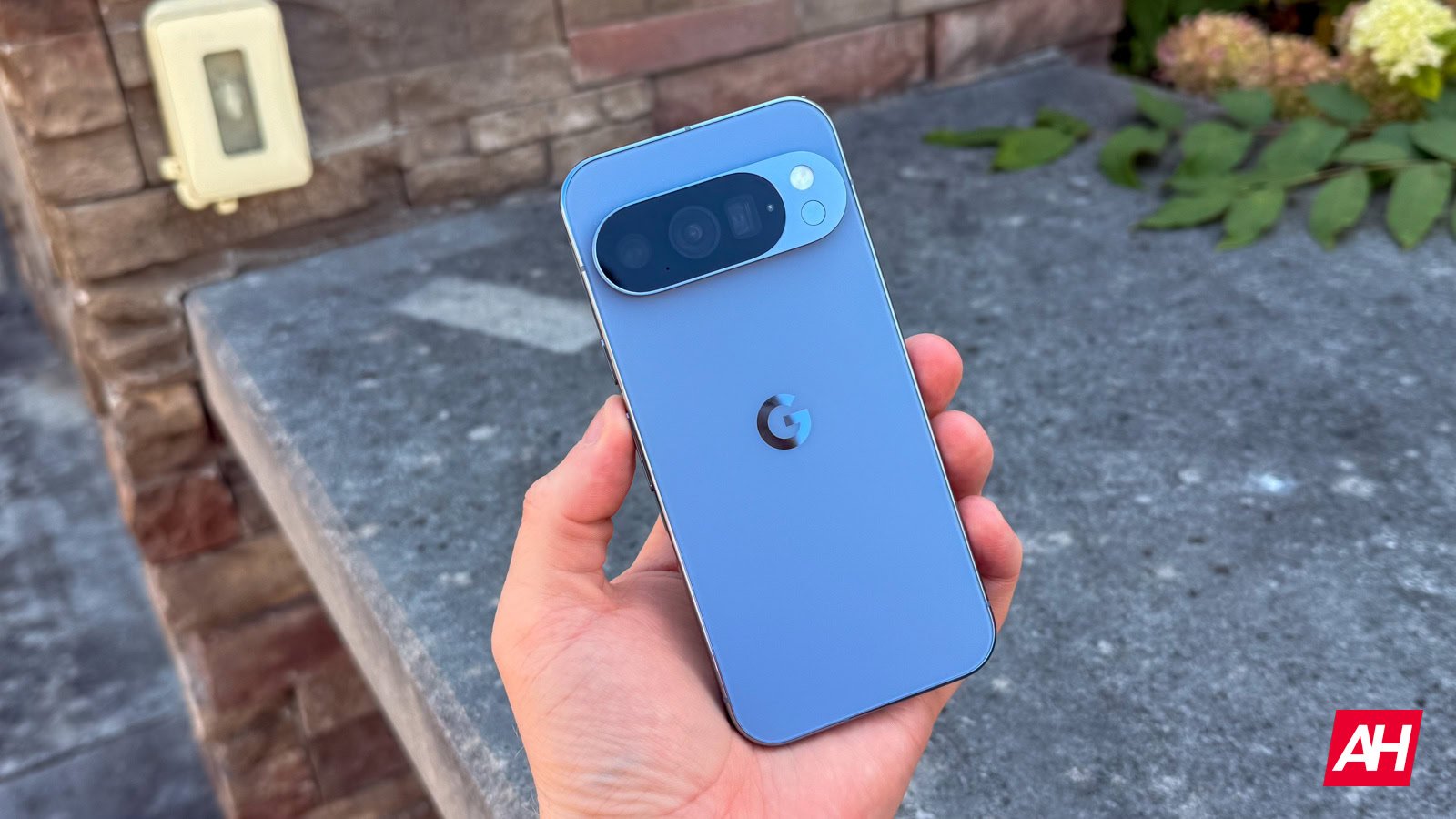
The smartphone industry is facing some challenges in the upcoming year, with the smartphone chipset market expected to contract by around 7% in 2026, according to a recent forecast by Counterpoint Research. As component costs continue to rise, particularly for items like memory, many manufacturers are feeling the pressure, especially those catering to the budget segment. However, Google seems to be navigating these challenges well by investing in its own custom chip, the Tensor chip for Pixel devices.
Developing a custom processor is a significant undertaking, and Google has historically relied on off-the-shelf components. The transition to its own Tensor SoC marks a strategic move that is proving to be beneficial for the company. By manufacturing its own hardware, Google gains more control over its supply chain and costs.
Industry analysts suggest that companies investing in their own silicon are better equipped to weather the current economic climate. While brands producing entry-level devices may face difficulties due to rising component costs, Google’s focus on a “premium-first” strategy aligns with the evolving market trends. Consumers are increasingly seeking high-end experiences, and Google’s custom chip allows for greater customization of the Pixel’s software and AI capabilities compared to generic hardware.
Despite Google’s solid financial position, there are still challenges ahead. While the Tensor project makes sense from a financial standpoint, users are eagerly awaiting substantial improvements in performance. Previous Pixel chips have lagged behind competitors in areas such as thermal management and processing power. The introduction of the Tensor G5 chip in devices like the Google Pixel 10 series was anticipated to address these shortcomings, being the first chip manufactured in TSMC’s renowned factories. However, even TSMC’s advanced 3nm node technology could not fully compensate for the limitations of the Tensor SoC, achieving only marginal improvements in energy efficiency compared to Samsung’s chips.
Ultimately, what matters to users is the actual performance and user experience of the device. As we progress through 2026, Google faces the challenge of translating its financial stability into hardware that exceeds expectations. The goal is to move beyond being merely “better positioned” and establish itself as the undisputed leader in performance.
While analysts predict that the Pixel brand may be better equipped to navigate industry challenges than others, the true measure of success lies in user satisfaction. In 2026, consumers are looking for a chip that not only benefits Google financially but also delivers the superior speed and efficiency expected from a premium flagship device.
In conclusion, the Tensor chip represents a strategic move by Google to secure its financial future in the ever-evolving smartphone market. However, meeting user expectations for performance remains a key challenge for the company as it aims to solidify its position as a leader in the industry.