
Natural dyes are gaining traction in the food industry as companies are making the switch from artificial colors to more natural alternatives. This transition is not as simple as swapping one dye for another, as it requires significant changes in operations and supply chains to ensure success.
The Food and Drug Administration’s push for the removal of artificial colors from food products by the end of next year has accelerated this shift. With some states even implementing bans on synthetic dyes, food companies are under pressure to find suitable natural alternatives.
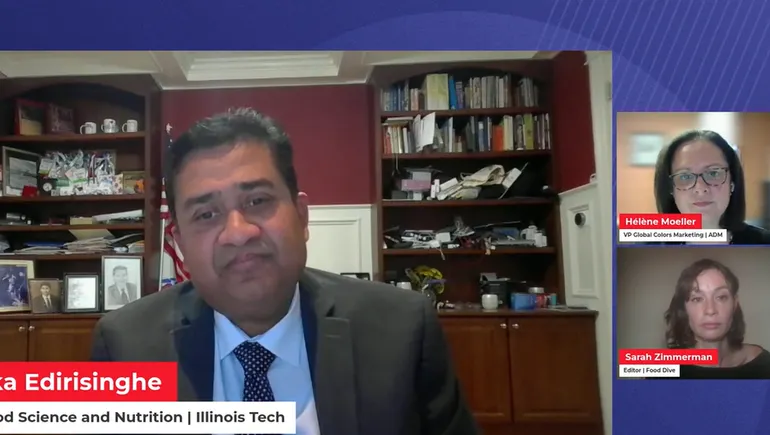
During a recent virtual event hosted by Food Dive and Packaging Dive, experts emphasized the complexity of transitioning to natural dyes. Unlike synthetic dyes, natural dyes react differently in food and beverages, often necessitating larger quantities to achieve the desired effect.
Hélène Moeller, director of global product marketing at ADM, highlighted the challenges and opportunities that come with using natural colors. ADM offers a range of natural colors sourced from various raw materials, each with its own set of considerations. Understanding the intricacies of each pigment and its behavior is crucial for successful implementation.
When considering a shift to natural dyes, Moeller recommended conducting a thorough portfolio review to identify priority products. Collaboration with suppliers is also essential to navigate potential challenges and find the best solutions for each product.
While the transition may seem daunting, advancements in technology and regulatory approvals have made the process more straightforward than in the past. Companies can now explore naturally derived solutions with greater ease.
The potential health benefits of natural dyes are also worth considering, especially as consumers increasingly seek clean-label products. However, it’s important to note that natural doesn’t always equate to healthier. Extracting color from sources like radishes or beets may not offer additional nutritional benefits, and careful dosage management is crucial to avoid toxicity issues.
Despite these challenges, using natural dyes presents an opportunity for manufacturers to customize their products and potentially enhance their health profiles. For example, pigments like anthocyanin offer antioxidant and anti-inflammatory properties, adding value beyond color enhancement.
While there is still much research to be done on the effects of natural dyes on human health, the potential for improving product health profiles is promising. Governments and regulatory bodies play a crucial role in understanding and setting guidelines for the use of natural dyes, ensuring consumer safety and product quality. With the rise of social media and technology, the way we communicate and interact with others has drastically changed. People are now able to connect with others from all around the world with just a few clicks of a button. This shift in communication has had a profound impact on our relationships and how we perceive social interactions.
One of the most significant changes that social media has brought about is the way we maintain relationships. In the past, people would have to rely on phone calls, letters, or face-to-face interactions to stay in touch with friends and family. Now, with platforms like Facebook, Instagram, and Twitter, we can easily keep up with what our loved ones are doing and stay connected with them on a daily basis.
However, while social media has made it easier to stay in touch with others, it has also brought about new challenges. With the constant stream of information and updates from our friends and family, it can be overwhelming to keep up with everything that is happening in their lives. This can lead to feelings of jealousy, inadequacy, and FOMO (fear of missing out) as we compare our own lives to the seemingly perfect ones we see on social media.
In addition, social media can also affect the quality of our relationships. Studies have shown that spending too much time on social media can lead to feelings of isolation and loneliness, as we substitute face-to-face interactions with virtual ones. This can ultimately impact the depth and authenticity of our relationships, as we may not be truly connecting with others in a meaningful way.
Despite these challenges, social media also has the potential to strengthen our relationships and create new connections. Through platforms like LinkedIn, we can network with professionals in our field and advance our careers. Through dating apps like Tinder and Bumble, we can meet potential romantic partners and form meaningful relationships. And through online communities and forums, we can connect with like-minded individuals who share our interests and passions.
In conclusion, social media has revolutionized the way we communicate and interact with others. While it has its drawbacks, such as feelings of jealousy and isolation, it also has the potential to strengthen our relationships and create new connections. It is up to us to use social media in a mindful and intentional way, so that we can reap the benefits of staying connected while also maintaining the quality of our relationships.