
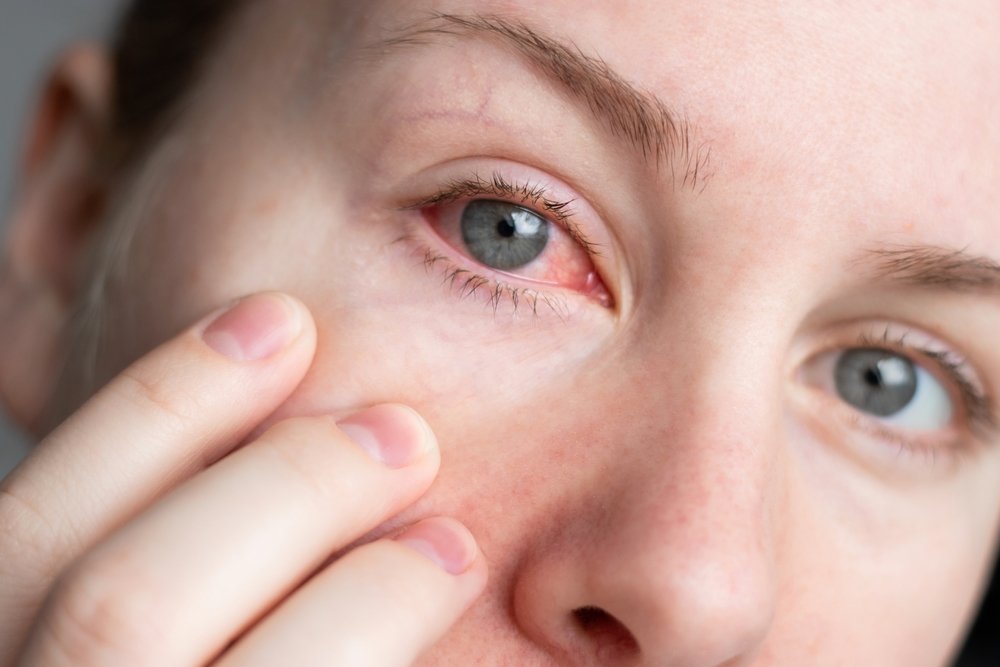
Spring eye allergy season is already underway in many regions of the country, causing discomfort for many individuals. It is crucial to differentiate between allergy-related symptoms and other eye conditions that may require different treatments. Here are some helpful tips to conquer spring eye allergies.
As the amount of pollen in the air increases during the spring months, individuals often experience symptoms such as itchy eyes, redness, tearing, eyelid swelling, light sensitivity, and a gritty or irritated sensation. While these symptoms are commonly associated with seasonal allergies, they can also be indicative of conditions like dry eye disease and blepharitis.
According to the American Academy of Ophthalmology, eye allergies, also known as allergic conjunctivitis, are a common occurrence. They occur when the eyes react to irritants, known as allergens, by producing histamine. This response causes redness, swelling, itchiness, tearing, and a burning sensation in the eyelids and conjunctiva. Unlike other forms of conjunctivitis, eye allergies are not contagious.
Individuals with spring eye allergies often experience nasal allergies as well, characterized by an itchy, stuffy nose and sneezing. This condition is typically temporary and linked to seasonal allergies.
Eye allergies can be triggered by various factors, including pet dander, dust, pollen, smoke, perfumes, and even certain foods. Exposure to these allergens can lead to more severe symptoms, such as intense burning, itching, and sensitivity to light.
Dr. Aykanush Sungulyan, OD, founder of RevitalEyes Optometry, advises that many patients seek relief from over-the-counter eye drops during allergy season without success. In some cases, the symptoms may be a combination of allergy-related inflammation and underlying dry eye, necessitating a tailored treatment approach based on the root cause.
It is essential to identify the correct condition to ensure timely relief and prevent worsening discomfort. Contact lens wearers should be especially cautious during allergy season, as allergens can become trapped under the lenses, exacerbating symptoms.
Common symptoms of eye allergies include red, swollen, or itchy eyes, burning or tearing, and sensitivity to light. For mild symptoms, preservative-free artificial tears can help rinse allergens from the eyes and provide temporary relief. Additionally, reducing outdoor exposure during peak pollen times, washing the face and eyelids after being outside, and avoiding rubbing the eyes can help minimize irritation.
To manage spring eye allergies effectively, individuals can take several preventive measures, such as avoiding triggers by making lifestyle changes, keeping windows closed during high pollen periods, using air conditioning indoors and in the car, wearing glasses or sunglasses outdoors to shield the eyes from pollen, and practicing good hygiene by washing hands and face frequently.
However, if symptoms persist, worsen, or are accompanied by pain, significant light sensitivity, or changes in vision, it is crucial to seek prompt evaluation from an eye doctor. A comprehensive examination can determine the appropriate course of treatment, which may include prescription allergy drops, dry eye therapy, contact lens adjustments, or additional care.
If you are experiencing persistent eye irritation this spring, it is recommended to seek an in-person evaluation rather than relying solely on self-treatment. By addressing spring eye allergies proactively and seeking professional guidance when needed, individuals can alleviate discomfort and maintain optimal eye health during allergy season.