
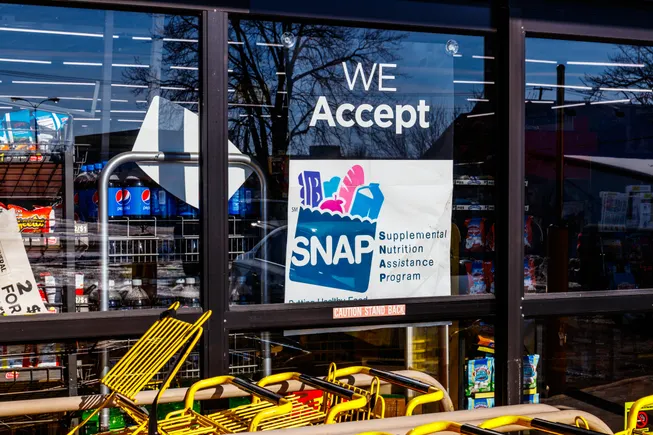
SNAP Participants Remain a Strong Force in the Grocery Industry
In 2025, despite changes to food item eligibility and other restrictions, participants in the Supplemental Nutrition Assistance Program (SNAP) continue to have a significant impact on the grocery industry, as shown by statistics from Circana.
According to a report released by the market research firm in November, households receiving SNAP benefits spend 23% more on consumer packaged goods (CPG) food and beverages compared to non-SNAP households. Additionally, SNAP households make 29% more shopping trips, with a significant portion of their spending going towards beverages, refrigerated products, and frozen foods.
Sally Lyons Wyatt, global executive vice president and chief advisor of Circana, emphasized the importance of SNAP beneficiaries in driving grocery sales. She noted that these shoppers visit stores more frequently, often supplementing their benefits with additional funds. In some cases, SNAP recipients opt for premium products to enhance their mealtime experience and make up for the cost of dining out.
Categories such as baby food, juices, frozen desserts, and carbonated soft drinks heavily rely on SNAP beneficiaries for sales. On the other hand, these consumers have a lesser impact on sales in wine, coffee, drink mix, and pasta aisles.
During the period covered by the research, SNAP participants accounted for $336 billion in total CPG food and beverage spending. Conventional food retailers were found to capture nearly half of SNAP spending, surpassing other types of retailers. Additionally, three-quarters of food and beverage spending by SNAP shoppers goes towards name brands, although there is a growing trend towards private label brands.
Overall, SNAP participants play a crucial role in the grocery industry, contributing significantly to sales and driving consumer behavior in various product categories.