
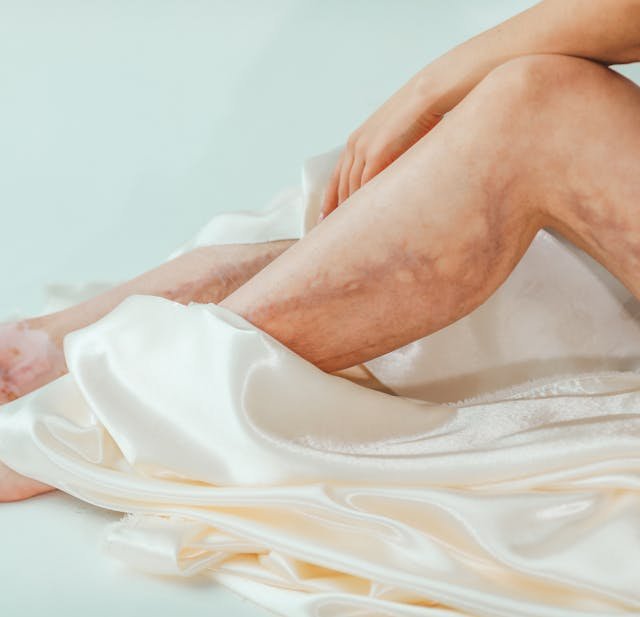
Varicose veins are a common issue that many individuals, both men and women, may find embarrassing or uncomfortable. These swollen blood vessels can cause pain, itching, and discomfort. In the past, treatments for varicose veins were invasive and often painful, with long recovery times. However, advancements in technology have led to more improved and comfortable treatment options.
Sclerotherapy is a popular treatment for varicose veins, with approximately 20% of American adults considering it as a potential solution. During this procedure, which typically takes less than an hour, a doctor injects medication directly into the affected vein. The injected medication causes the vein to form scar tissue and collapse, redirecting blood flow through healthier veins. Over time, the body reabsorbs the treated vein, causing it to disappear. Some veins may require multiple treatments, but each session is minimally invasive.
In recent years, sclerotherapy techniques have continued to evolve, with some clinics offering ultrasound-guided foam sclerotherapy. This advanced technique involves using real-time ultrasound to locate and inject medication into deep veins, particularly in the legs. The foam mixture helps push blood into healthier veins, allowing the medication to effectively treat the vein wall. Newer medications like Varithena have also improved the sclerosants used to close veins, reducing the risk of side effects.
Sclerotherapy is considered a highly effective and safe procedure for most individuals with varicose or spider veins, boasting a success rate of 80% to 90%. However, it is not recommended during pregnancy. A specialist can determine if you are a suitable candidate for sclerotherapy through a venous reflex test, which uses ultrasound to assess the extent of venous insufficiency causing varicose veins.
Before, during, and after the procedure, there are specific guidelines to follow for optimal results. Patients are advised to avoid certain medications and activities leading up to the treatment and to follow post-procedure care instructions carefully. While mild side effects like pain, itching, or swelling at the injection site are common, serious complications are rare.
When considering varicose vein treatment in Orlando, it is essential to choose a reputable clinic with experienced physicians. Central Florida Vein and Vascular Center, founded by Dr. Horowitz, offers a range of treatment options, including sclerotherapy, ultrasound-guided foam sclerotherapy, endovenous laser treatment (EVLT), Venaseal therapy, and microphlebectomy. Following an initial consultation and diagnostic ultrasound examination, the physician will recommend the most suitable treatment.
In conclusion, modern treatments for varicose veins have significantly improved, offering minimally invasive and effective solutions for individuals seeking relief. Sclerotherapy and ultrasound-guided foam sclerotherapy are popular options with high success rates. If you are considering treatment for varicose veins, consulting a board-certified specialist at a dedicated vein center is crucial. Take the first step towards healthier legs by scheduling a consultation with a qualified physician.