
Key Takeaways:
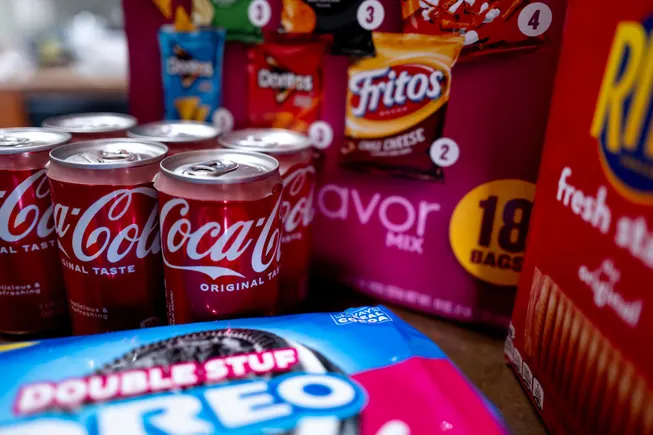
- The city attorney of San Francisco has taken legal action against major ultraprocessed food manufacturers, including Kraft Heinz and Coca-Cola, alleging that these companies knowingly promoted products that endanger consumers’ health.
- This groundbreaking lawsuit, filed in San Francisco Superior Court, accuses 10 leading packaged food companies of creating a “public health crisis” that has resulted in the city bearing the financial burden of treating illnesses like diabetes and heart disease.
- The lawsuit seeks to put an end to deceptive marketing practices by these companies and to hold them accountable for covering government healthcare costs. The defendants named in the lawsuit include Kraft Heinz, Mondelēz International, Post Holdings, Coca-Cola, PepsiCo, General Mills, Nestlé USA, Kellogg, Mars Incorporated, and Conagra Brands.
Insights:
This legal action draws parallels to previous lawsuits against tobacco and opioid manufacturers, which resulted in substantial settlements over the years.
However, the issue of ultraprocessed foods is more complex. There is no universal definition of the term, which can encompass a wide range of products from snacks and sodas to seemingly healthier options like granola bars and yogurts.
Ultraprocessed foods typically refer to items manufactured industrially with ingredients uncommon in home cooking. While California has defined the term in relation to school food bans, many details remain unclear, such as which products would be affected.
The FDA is also exploring the definition of ultraprocessed foods, but progress is in the early stages. Yet, as consumer awareness grows, it could drive companies to eliminate artificial additives.
In a recent case, a court dismissed a lawsuit where a young consumer claimed that ultraprocessed foods led to his diabetes as he did not specify the products responsible for his condition.
This lawsuit in San Francisco reflects a growing bipartisan concern over processed ingredients, illustrating a shift towards healthier eating habits across political lines.
San Francisco City Attorney David Chiu emphasized the need for companies to take responsibility for the health implications of their products, calling for both financial compensation and consumer education initiatives.
In addition to monetary damages, the lawsuit proposes that food companies address the consequences of their misleading marketing tactics by promoting awareness of the risks associated with ultraprocessed foods and supporting access to healthier options in disadvantaged communities.
Several states have implemented bans or labeling requirements for certain ingredients, prompting food companies to navigate varying regulations and advocate for a standardized national approach.