
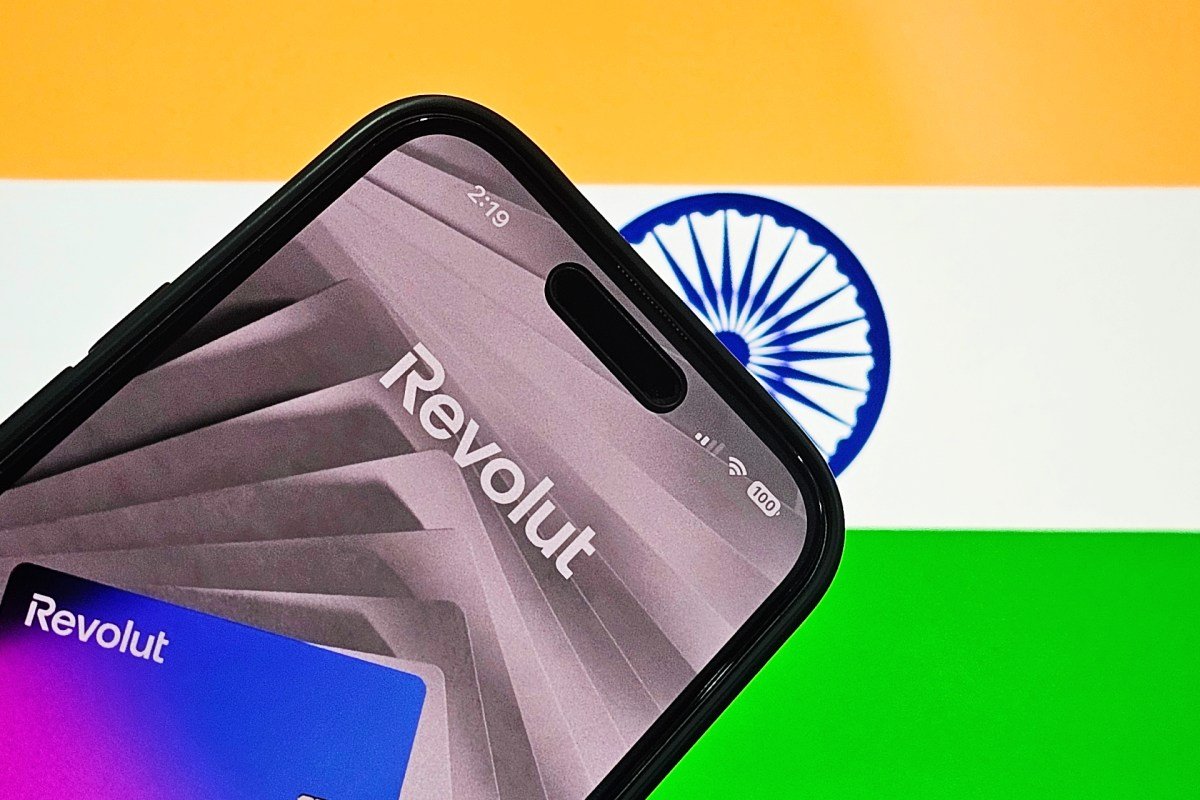
Revolut Launches in India, Focusing on Cross-Border Payments
Revolut, the British fintech company, is making its debut in India, highlighting cross-border payments as a key area of focus. The company points out that cross-border payments are one of the most underserved financial services in India, with Indians spending approximately $30 billion overseas each year and incurring around $600 million in bank charges. Paroma Chatterjee, CEO of Revolut India, describes these fees as “criminal” and notes that traditional banks have historically dominated this space.
Revolut’s Expansion Strategy in India
Since 2021, Revolut has been gearing up for its launch in India by addressing gaps in the country’s foreign exchange and traditional payment sectors. The London-based fintech firm acquired Arvog Forex in 2022 to secure a license to offer remittance and multi-currency account services in India. Additionally, Revolut obtained a prepaid payment instrument (PPI) license from the Reserve Bank of India in April 2022, enabling it to issue prepaid cards, support digital wallets, and integrate with the Unified Payments Interface (UPI).
With the necessary regulatory approvals in place, Revolut aims to disrupt the traditional banking landscape in India and compete with existing fintech players. The company targets over 150 million digitally savvy Indians aged 25-45, with plans to onboard 20 million users by 2030 and process at least $7 billion in transactions.
Revolut’s Offering in India
Revolut will provide Indian consumers with a prepaid wallet that supports UPI, along with domestic and international Visa cards. The company will introduce dedicated accounts for kids and teens linked to their parents’ profiles, a subscription-based model, and budgeting tools for tracking spending habits. Revolut has the regulatory authority to facilitate both domestic and international payments and enable same-day remittances from India through a local banking partner.
Focus on Full-KYC and Customer Engagement
Unlike some Indian fintech companies that prioritize quick onboarding with minimal KYC checks for low-value transactions, Revolut will offer full-KYC wallets. The company will conduct thorough verification processes, including screening new users against global sanctions lists, to attract high-intent customers. Chatterjee emphasizes the importance of engaging customers who complete detailed onboarding processes, such as Aadhaar and video verification.
Revolut’s success metrics in India will emphasize user engagement and profitability over sheer user numbers. Chatterjee highlights the company’s global success, with 65 million customers generating over $4 billion in transactions and more than a billion dollars in profit. The company’s valuation recently reached $75 billion following a secondary share sale.
Upcoming Launch and Future Plans
Revolut has a waitlist of over 350,000 individuals in India, with plans to onboard them before opening the app to new users. The launch timeline depends on the clearance of the waitlist and completion of KYC and AML checks by customers. The company is also exploring partnerships beyond Visa, including the Indian government’s RuPay network, to offer customers network choices.
Revolut has invested $45 million in India to kickstart operations and adapt its tech stack to comply with data sovereignty regulations. The company plans to increase its investment as it launches in India. With 3,500 employees based in India, Revolut’s largest workforce globally, the company is well-positioned to expand its product offerings in the Indian market.
While Revolut’s entry into India is significant, it will face competition from established players like Niyo, Scapia, Fi, and BookMyForex in the cross-border and remittance segment.