
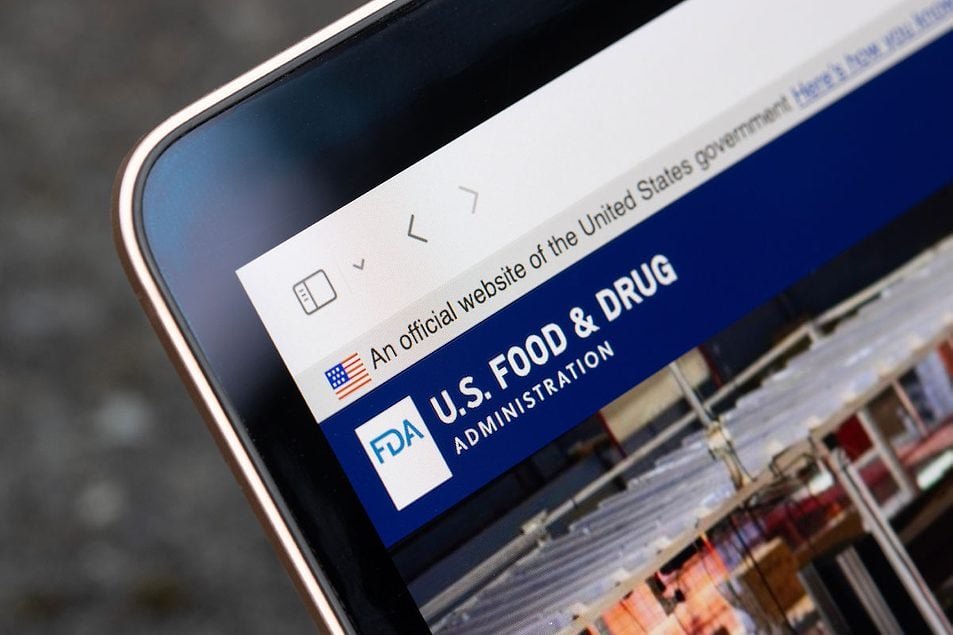
Self-Affirmed GRAS Status in Limbo Amid US Government Shutdown
As the US government shutdown continues, the fate of self-affirmed GRAS (generally recognized as safe) ingredients remains uncertain. The US Food and Drug Administration (FDA) had planned to propose a new rule to require food manufacturers to submit GRAS notices directly to the agency, effectively ending self-affirmed GRAS status. However, the proposed rule has been delayed due to the shutdown, leaving over 1,200 ingredients in regulatory limbo.
The Controversy Surrounding Self-Affirmed GRAS
Currently, companies can obtain self-affirmed GRAS status by conducting their own safety assessments and submitting the findings to the FDA for review. This process allows for faster product innovation and market entry. However, critics argue that self-affirmed GRAS creates a loophole in the system, leading to potential safety concerns in the food supply.
Robert F. Kennedy Jr., secretary of the US Department of Health and Human Services, has called for the elimination of self-affirmed GRAS status, citing it as a loophole that compromises ingredient safety. Industry experts, however, point out that the requirements for self-affirmed GRAS are stringent and ensure the safety of ingredients and their intended uses.
The Need for Standardization
During a panel discussion at the recent SupplySide Global conference in Las Vegas, experts highlighted the need for consistent, high-quality standards in self-affirmed GRAS submissions. Corey Hilmas, chief scientific affairs and regulatory officer at KGK Science and a former FDA regulator, noted the lack of uniformity in submissions, with some lacking essential safety data and serving level information.
Alexander Schauss, director of research at AIBMR Life Sciences, emphasized the importance of transparency in the self-affirmed GRAS process, calling for clear guidelines on expert panel qualifications and data integrity. The panel agreed that pressure to expedite market entry has led to subpar submissions that compromise ingredient safety.
The Impact of Eliminating Self-Affirmed GRAS
If self-affirmed GRAS status is eliminated, experts predict a decrease in the number of ingredients entering the market. Companies that have made slight modifications to GRAS ingredients may face challenges in gaining FDA approval for their products. The loss of self-affirmed GRAS could stifle innovation and limit the variety of ingredients available to consumers.
As the government shutdown persists, ingredient manufacturers are advised to develop comprehensive and well-researched GRAS submissions to increase their chances of approval once the new rules are implemented. The emphasis on thorough safety assessments and ingredient identity considerations is crucial for demonstrating the safety of food and beverage ingredients.
In conclusion, the future of self-affirmed GRAS status remains uncertain, highlighting the need for standardized guidelines and transparency in the regulatory process to ensure the safety of ingredients in the food supply.